When it comes to handling sodium bicarbonate, a key chemical widely used in various industries such as food processing, pharmaceuticals, and chemical manufacturing, efficient and reliable material transport is crucial. This is where sodium bicarbonate pneumatic conveying equipment plays a vital role. These systems are engineered to transport sodium bicarbonate powder or granules from one location to another with precision, ensuring minimal product degradation and maintaining the quality standards required in industrial applications.
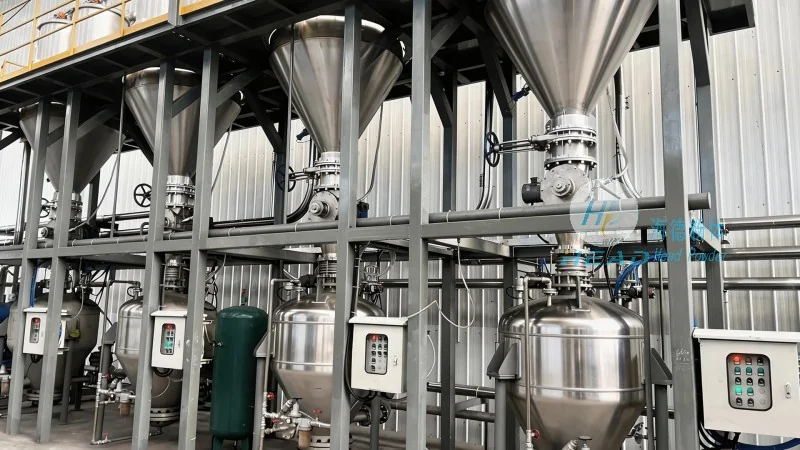
The Core Function and Importance of Pneumatic Conveying for Sodium Bicarbonate
Sodium bicarbonate, also known as baking soda, is a fine powder or granular material that can be challenging to handle due to its light weight and potential for dust generation. Traditional methods like belt conveyors or bucket elevators may not be suitable for such delicate materials, as they can cause segregation, agglomeration, or even product loss. Pneumatic conveying systems offer a solution by using air pressure to move the material through a pipeline, reducing the risk of contamination and ensuring a consistent flow rate. This method is particularly beneficial for sodium bicarbonate, which is often used in processes that demand high purity and minimal particle size variation.
Design Principles of Sodium Bicarbonate Pneumatic Conveying Equipment
The design of sodium bicarbonate pneumatic conveying equipment is based on several fundamental principles that ensure optimal performance and safety. The first principle is the selection of appropriate air flow rates and pressure levels. For sodium bicarbonate, which is a low-density material, higher air velocities are typically required to achieve efficient transport without causing excessive energy consumption. Engineers must calculate the necessary air volume and pressure to overcome the material's resistance in the pipeline, considering factors like the material's bulk density, particle size distribution, and the system's length and layout.
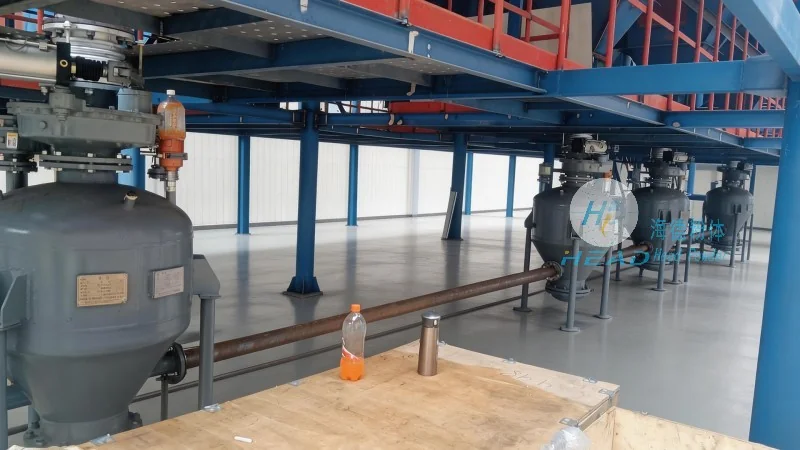
Another critical design principle is the choice of pipeline materials and components. Since sodium bicarbonate is a mild chemical, the equipment must be constructed from materials that are resistant to corrosion and wear. Common materials include stainless steel, which provides durability and resistance to the chemical's effects. The pipeline design also includes features such as smooth internal surfaces to minimize friction and prevent product buildup, which could lead to blockages or contamination. Additionally, the system incorporates appropriate fittings, valves, and control mechanisms to regulate the air flow and material transport, ensuring precise control over the conveying process.
Key Components and Their Roles in the Pneumatic Conveying System
A typical sodium bicarbonate pneumatic conveying system consists of several key components, each playing a specific role in the overall operation. The primary components include the material feed hopper, the air compressor, the conveying pipeline, the control valves, and the discharge hopper. The feed hopper is designed to store and meter the sodium bicarbonate, ensuring a consistent feed rate into the system. It often includes a rotary valve or a screw feeder to control the material flow and prevent air leakage. The air compressor provides the necessary pressure and volume of air to move the material through the pipeline. The conveying pipeline is typically made of stainless steel and is equipped with appropriate bends and elbows to direct the material to the desired location. Control valves, such as airlocks or check valves, are used to regulate the air flow and prevent backflow, ensuring smooth and continuous operation. The discharge hopper collects the conveyed sodium bicarbonate and may include a dust collection system to capture any airborne particles, maintaining a clean and safe working environment.
Advantages of Using Pneumatic Conveying for Sodium Bicarbonate Handling
Implementing pneumatic conveying equipment for sodium bicarbonate offers several advantages over traditional handling methods. One of the main benefits is the ability to handle the material in a closed system, which minimizes dust exposure and reduces the risk of contamination from external sources. This is particularly important in industries like food and pharmaceuticals, where product purity is paramount. Additionally, pneumatic conveying systems can transport sodium bicarbonate over long distances with minimal energy consumption compared to other methods like bucket elevators or belt conveyors. The closed system also helps in maintaining the material's quality by preventing moisture absorption or degradation during transport. Furthermore, the system's flexibility allows for easy integration with other processing equipment, such as mixers or reactors, enabling seamless production workflows.
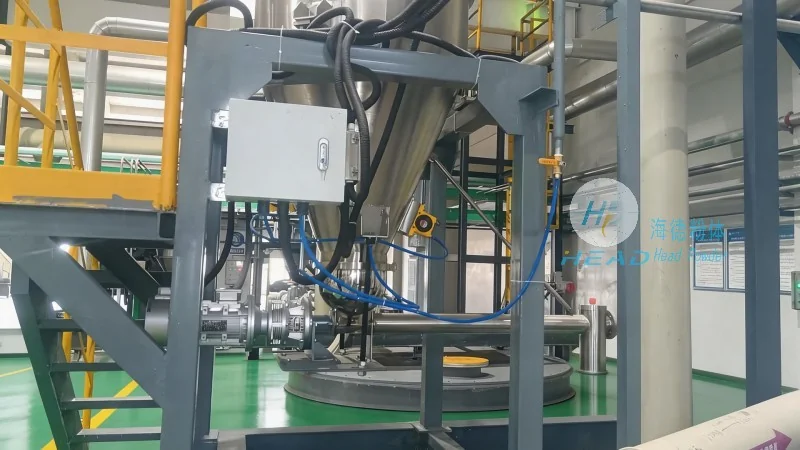
Considerations for Selecting and Implementing the Equipment
When selecting and implementing sodium bicarbonate pneumatic conveying equipment, several factors must be considered to ensure the system meets the specific needs of the application. First, the system's capacity and flow rate must be matched to the production requirements. This involves calculating the required air volume and pressure based on the material's characteristics and the desired conveying distance. Second, the material's properties, such as bulk density, particle size, and moisture content, must be taken into account, as they affect the system's performance and efficiency. Third, the system's layout and installation must be carefully planned to minimize pressure losses and ensure smooth material flow. This includes proper pipeline sizing, the use of appropriate bends and fittings, and the placement of control valves and other components. Fourth, safety considerations are crucial, as pneumatic conveying systems operate under pressure and can pose risks if not properly designed and maintained. The system must include safety features such as pressure relief valves, emergency shut-off mechanisms, and proper ventilation to protect operators and the environment.
About Shandong HeadPowder Engineering Co., Ltd.
Shandong HeadPowder Engineering Co., Ltd., commonly known as HeadPowder, is a leading manufacturer and supplier of specialized engineering solutions for the chemical and powder handling industries. With a focus on innovation and quality, HeadPowder provides a wide range of equipment, including pneumatic conveying systems tailored for sodium bicarbonate and other fine powders. The company is headquartered in Shandong, China, and has a strong commitment to delivering reliable and efficient solutions that meet the highest industry standards. HeadPowder's expertise in material handling technology ensures that their products are designed to handle the unique challenges of sodium bicarbonate, providing customers with a cost-effective and sustainable solution for their material transport needs.




