Fluorite, also known as calcium fluoride (CaF₂), is a widely used industrial mineral with applications in metallurgy, chemical synthesis, and other sectors. The efficient handling of fluorite powder is crucial for industrial processes, and pneumatic conveying systems offer a reliable solution for transporting these fine powders over short to medium distances. This article explores the fundamental principles behind fluorite powder pneumatic conveying equipment and highlights the key characteristics of its operational scenarios.
Principle of Pneumatic Conveying for Fluorite Powder
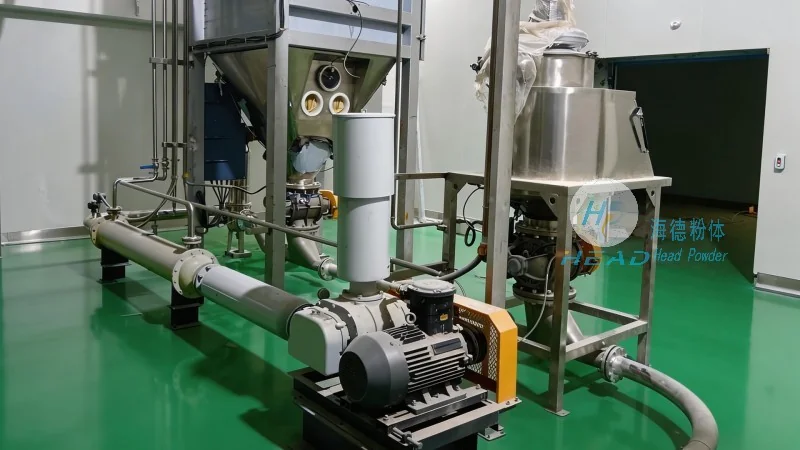
The core principle of pneumatic conveying involves the use of compressed air or gas to transport particulate materials through a pipeline. In the case of fluorite powder, the system typically operates under positive pressure, where air is introduced into the conveying line to create a flow that moves the powder. The equipment consists of several key components, including a hopper for material storage, a feeder to control the powder flow rate, a conveying line (often with bends and elbows), and a receiver for the delivered material. The air-powder mixture travels through the pipeline, and the velocity of the air is maintained at a level sufficient to keep the powder suspended and prevent clogging. The design of the system must consider factors such as the particle size distribution, moisture content, and bulk density of the fluorite powder to ensure optimal performance.
Key Components and Their Functions
Each component of the fluorite powder pneumatic conveying system plays a critical role in the overall operation. The hopper serves as a storage vessel, providing a consistent supply of material to the feeder. The feeder, which can be a rotary valve or a screw feeder, regulates the flow rate of the fluorite powder into the conveying line, ensuring a steady and controlled feed. The conveying line is typically made of materials resistant to corrosion and abrasion, such as stainless steel or special alloys, to withstand the abrasive nature of fluorite particles. The line may include features like expansion joints to accommodate thermal changes and reduce stress on the system. The receiver, often equipped with a dust collection system, collects the conveyed fluorite powder and separates it from the air, ensuring minimal loss and environmental compliance.
Working Scene Characteristics of Fluorite Powder Pneumatic Conveying
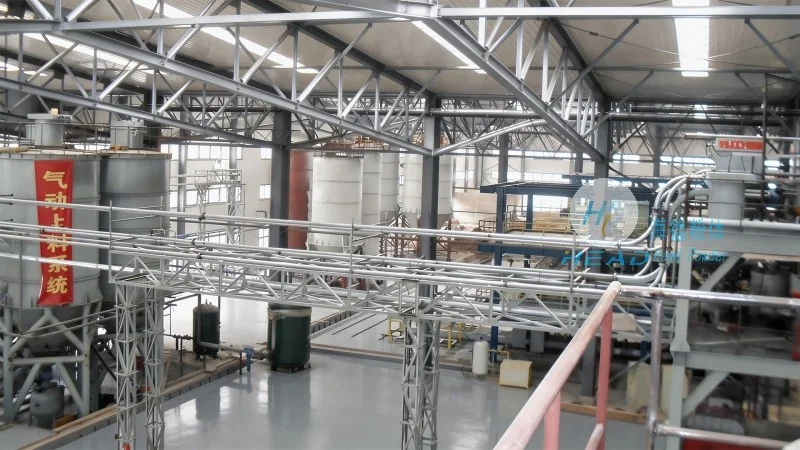
The operational scenarios for fluorite powder pneumatic conveying vary based on the specific industrial application and the scale of the process. In mining and processing facilities, these systems are commonly used to transport fluorite from storage silos to processing equipment, such as crushers or ball mills. The equipment is designed to handle high volumes of fine powder, often with capacities ranging from several tons per hour to tens of tons per hour, depending on the system configuration. The working environment may involve dusty conditions, requiring proper ventilation and dust control measures to maintain safety and compliance with environmental regulations. Additionally, the system's flexibility allows for integration with existing industrial infrastructure, enabling seamless material transfer between different process stages.
Advantages and Considerations in Industrial Applications
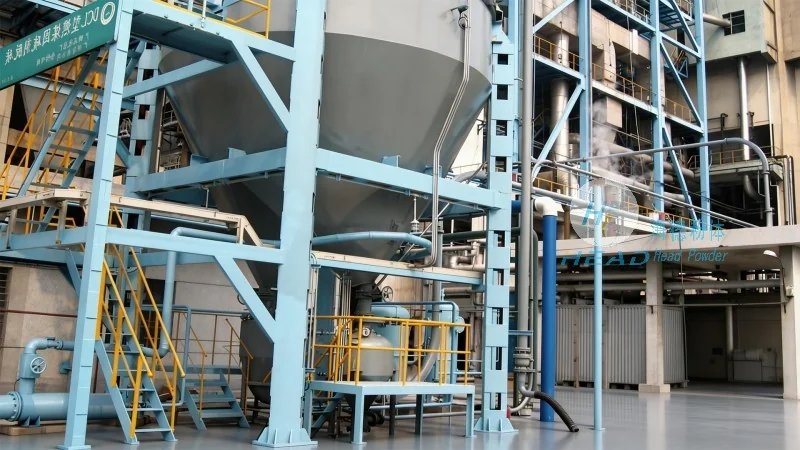
Pneumatic conveying of fluorite powder offers several advantages over traditional methods like belt conveyors or bucket elevators. These include the ability to transport materials in a closed system, reducing dust emissions and improving workplace safety. The system also allows for gentle handling of the powder, minimizing particle degradation and preserving the material's quality. However, there are considerations to keep in mind, such as the need for regular maintenance to prevent blockages and ensure consistent air pressure. The design must account for the specific properties of fluorite, including its tendency to agglomerate or stick to surfaces, which may require anti-stick coatings or specialized hopper designs. Additionally, energy consumption is a factor, as the system relies on compressed air, and optimizing the air flow rate can help reduce operational costs.
Conclusion
Fluorite powder pneumatic conveying equipment is a vital component in modern industrial processes, providing an efficient and reliable method for transporting fine powders. By understanding the underlying principles and operational characteristics, industries can select and implement the most suitable system for their specific needs. The combination of advanced engineering and careful consideration of material properties ensures that these systems deliver consistent performance and contribute to the overall efficiency of fluorite processing operations. As a leading provider in this field, Shandong HeadPowder Engineering Co., Ltd. specializes in designing and manufacturing customized pneumatic conveying solutions tailored to the unique requirements of fluorite powder handling applications.




