Pneumatic conveying, also known as pneumatic transport, is a method used to transport bulk materials, including coal particles, through a pipeline using air or other gas as the conveying medium. In coal particle pneumatic conveying systems, coal is typically in a dry, granular form and is moved from a source to a destination through a sealed pipeline. This technology offers advantages such as the ability to transport materials in a dust-free environment, reduced risk of contamination, and the potential for automated and continuous operation. The system generally consists of a hopper to store the coal, a conveyor line with appropriate air flow, and a receiver to collect the material at the end of the line. The process involves feeding the coal into the hopper, then using a blower or compressor to generate the necessary air pressure to move the particles through the pipeline. The air velocity and pipeline design are critical factors in ensuring efficient and reliable transport, as they determine the ability to maintain the material in suspension and prevent blockages or deposition.
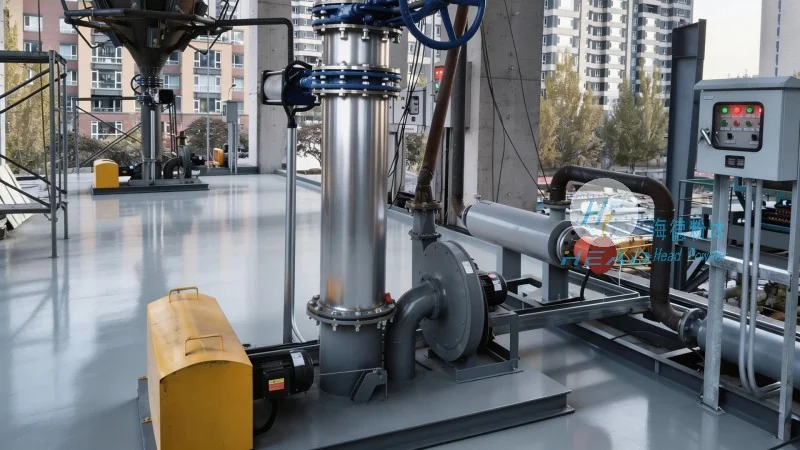
Classification of Pneumatic Conveying Systems
Pneumatic conveying systems for coal particles can be classified based on several key parameters, including the direction of material flow, the pressure level, and the method of air supply. The primary classifications are pressure and vacuum systems.
Pressure systems operate by blowing air or gas into the pipeline under positive pressure, typically using a blower or compressor. These systems are suitable for short to medium distances and can handle a wide range of particle sizes and densities. In a pressure system, the material is introduced into the conveying line at the inlet, and the air is introduced downstream to move the particles. This design helps maintain the material in suspension and reduces the risk of clogging. Pressure systems are commonly used in applications where the material needs to be transported from a central storage point to multiple destinations or where the receiving points are at a higher elevation than the source.
Vacuum systems, on the other hand, operate by creating a negative pressure (vacuum) in the pipeline using a vacuum pump or fan. The material is drawn into the pipeline from the source, and the air is then drawn out at the receiver end. Vacuum systems are ideal for long-distance transport or when the material needs to be collected from multiple points and transported to a single location. They are particularly useful for handling fine or dusty materials, as the vacuum helps maintain the material in suspension and prevents dust from escaping into the environment. However, vacuum systems may have limitations in terms of maximum distance and the ability to handle large particle sizes due to the lower air velocity required to maintain suspension.
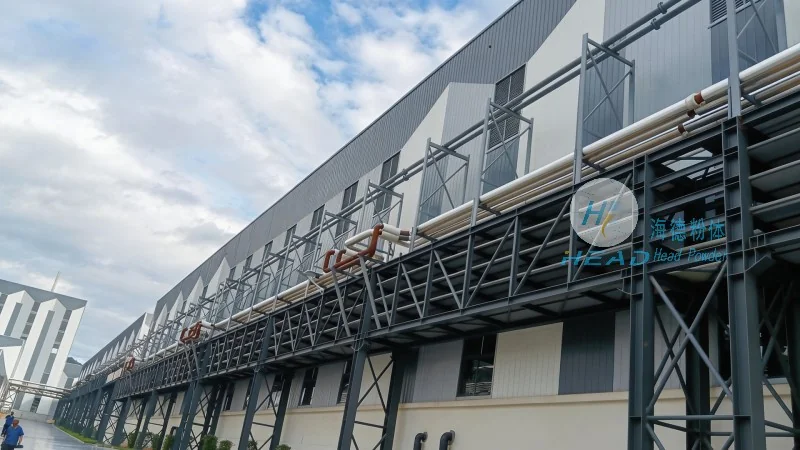
Within these main categories, pneumatic conveying can also be further divided into dense-phase and dilute-phase systems. Dilute-phase systems operate at higher air velocities, typically 20-30 m/s, and transport material in a dilute suspension, where the particles are well-separated. This type of system is suitable for short distances and when the material is relatively light or has a low bulk density. Dense-phase systems, conversely, operate at lower air velocities, around 5-15 m/s, and transport material in a dense suspension, where the particles are closely packed together. Dense-phase systems are more efficient for long-distance transport and can handle larger particle sizes and higher bulk densities, as the lower velocity reduces the risk of particle degradation and blockages.
Applications of Coal Particle Pneumatic Conveying
The applications of coal particle pneumatic conveying are diverse and span various industries, primarily in power generation, mining, and industrial processing. In power plants, for example, pneumatic conveying is widely used to transport coal from storage silos to the boiler feed system. This method ensures a continuous and reliable supply of fuel, which is crucial for maintaining stable and efficient operation of the power generation equipment. The sealed pipeline system also helps minimize dust emissions, improving environmental compliance and worker safety.
In the mining industry, pneumatic conveying is used to transport coal from underground mines to processing facilities or to transport overburden materials. The ability to handle large volumes of material over long distances makes it an attractive option for mining operations, especially in areas where traditional conveyor belts or trucks may be impractical due to terrain or logistical constraints. The system can be integrated with mining equipment to provide a seamless material handling solution, reducing the need for manual handling and improving operational efficiency.
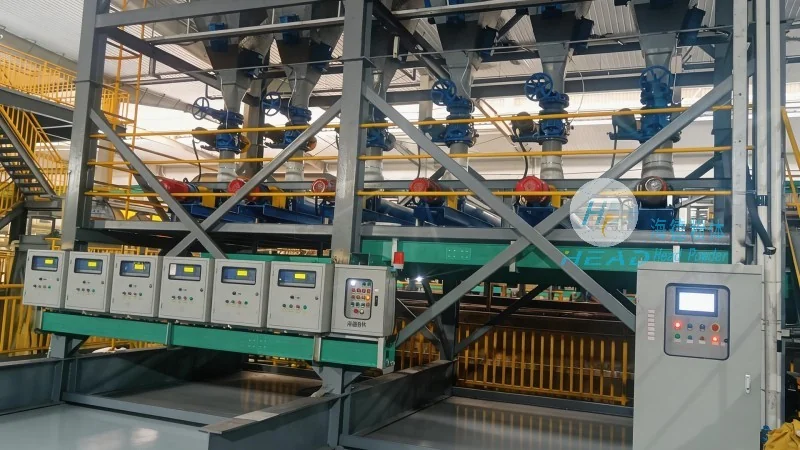
In industrial processing, coal particle pneumatic conveying is used in various applications, such as in the production of coal-based chemicals, fertilizers, or in the preparation of coal for combustion. The technology allows for precise control over the material flow rate and can be integrated with other processing equipment, such as crushers or classifiers, to ensure consistent quality of the final product. The sealed system also helps maintain the purity of the coal, preventing contamination from external sources and ensuring that the material meets the required specifications for downstream processing.
Additionally, pneumatic conveying systems are used in the transportation of coal for export or import, where materials need to be moved from a port or storage facility to a processing plant or directly to a customer. The ability to handle large volumes of material efficiently and with minimal handling steps makes it a preferred method for international trade, as it reduces the risk of material loss or degradation during transport.
About Shandong HeadPowder Engineering Co., Ltd.
Shandong HeadPowder Engineering Co., Ltd., commonly known as HeadPowder, is a leading provider of pneumatic conveying solutions for coal and other bulk materials. With a focus on innovation and quality, HeadPowder specializes in designing, manufacturing, and installing custom pneumatic conveying systems tailored to the specific needs of its clients. The company’s headquarters is located in Shandong, China, and it serves a global market with a wide range of industrial applications.




