HeadPowder, a leading engineering firm based in Shandong, China, specializes in the design and implementation of advanced pneumatic conveying systems for various bulk materials, including soybean meal. This article delves into the fundamental principles of solids pneumatic conveying and highlights the key characteristics of working scenarios where such systems are most effectively applied.
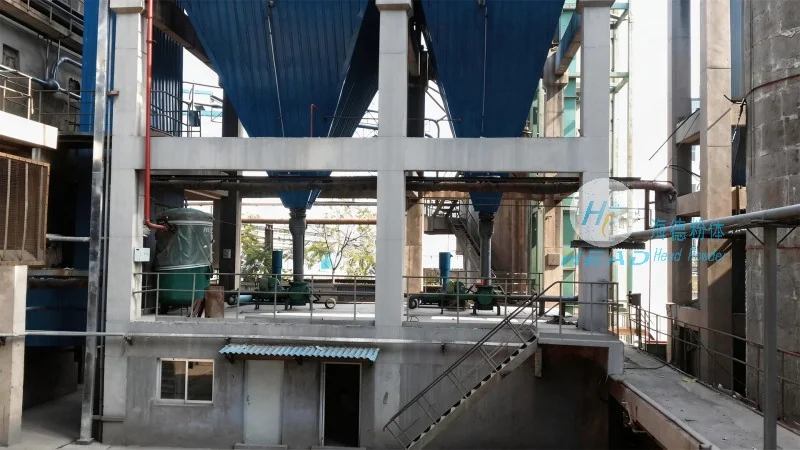
Understanding the Fundamentals of Solids Pneumatic Conveying
Solids pneumatic conveying is a technology that uses compressed air or other gas to transport bulk solid materials through a pipeline. The core principle involves creating a pressure differential that propels the material from the source to the destination. There are primarily two types of pneumatic conveying systems: dilute-phase and dense-phase. Dilute-phase systems operate at higher velocities, with particles suspended in the air stream, while dense-phase systems use lower velocities to move material in a more compact form, often with the aid of a carrier gas.
In the context of soybean meal, the choice of system depends on factors such as material properties, required distance, and desired flow rate. Soybean meal is a fine, powdery material that can be prone to caking or agglomeration if not handled properly. Therefore, the design of the conveying system must consider aspects like air velocity, pressure, and pipeline design to ensure efficient and reliable transport. The system typically includes components like a hopper, feeder, compressor, pipeline, and receiver. The feeder controls the flow rate of the material into the system, while the compressor generates the necessary pressure to move the material through the pipeline. The pipeline design, including diameter and bends, is critical to minimize pressure drop and maintain consistent flow.
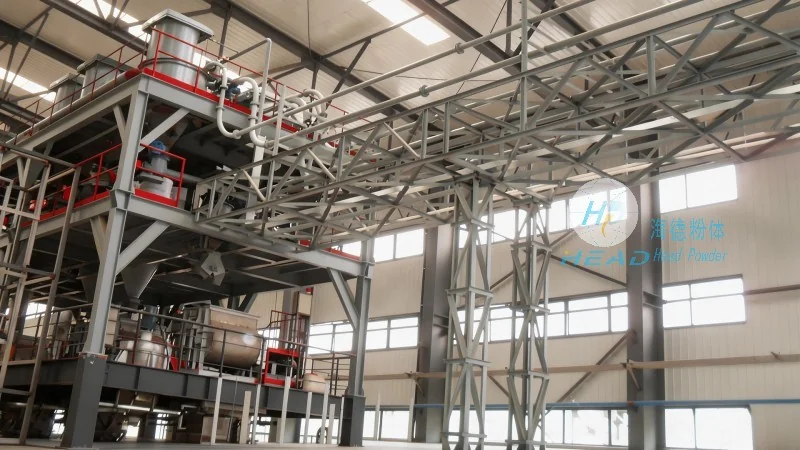
Key Working Scene Characteristics for Soybean Meal Pneumatic Conveying
The effectiveness of a pneumatic conveying system for soybean meal is heavily influenced by the working environment and operational requirements. Several key characteristics define optimal working scenarios:
First, the distance and layout of the conveying route are crucial. For short distances, dilute-phase systems are often sufficient, as they are more cost-effective and easier to install. However, for longer distances, dense-phase systems may be preferred to maintain material integrity and reduce energy consumption. The layout of the pipeline, including the number and angle of bends, affects the pressure drop and overall system efficiency. Properly designed bends and elbows minimize energy loss and prevent material buildup.
Second, the material's physical properties play a significant role. Soybean meal has a relatively low bulk density and can be dusty, which impacts the conveying process. The system must be designed to handle these characteristics, such as using appropriate air velocities to prevent clogging and ensure smooth flow. The presence of moisture can also affect the material's behavior, making it more prone to agglomeration. Therefore, the conveying system may include features like drying or conditioning to improve material flowability.
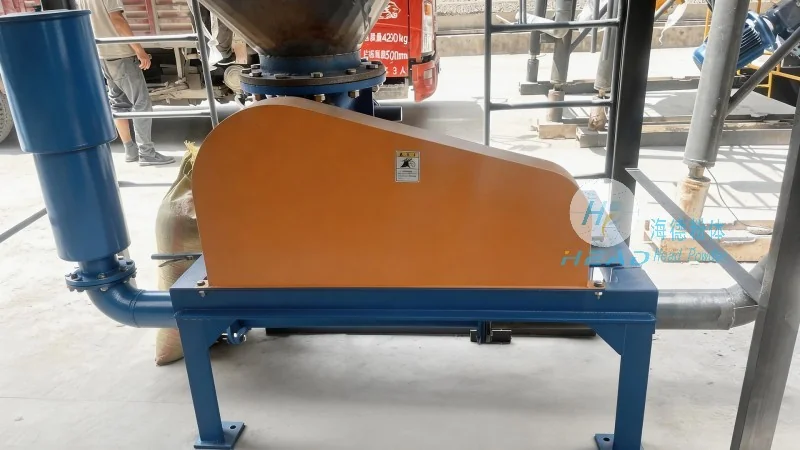
Third, the operational conditions, such as the required flow rate and pressure, are critical. The system must be capable of meeting the production demands of the facility, whether it's a small-scale operation or a large industrial plant. The choice of compressor type and size directly impacts the system's performance and energy efficiency. For example, rotary lobe compressors are commonly used for pneumatic conveying due to their ability to handle high volumes of air and material without causing excessive wear.
Applications and Benefits in Practical Settings
Solids pneumatic conveying systems for soybean meal are widely used in various industrial settings, including feed mills, food processing plants, and agricultural facilities. The primary benefits of this technology include improved material handling efficiency, reduced labor costs, and enhanced safety compared to traditional methods like bucket elevators or belt conveyors. By eliminating the need for manual handling and reducing the risk of material spillage, pneumatic conveying systems contribute to a cleaner and more organized production environment.
In feed mills, for instance, soybean meal is often conveyed from storage silos to mixing equipment or processing lines. The system ensures a consistent and continuous flow of material, which is essential for maintaining production schedules and product quality. The ability to transport material over long distances without the need for intermediate storage or handling points makes pneumatic conveying a preferred choice for large-scale operations.
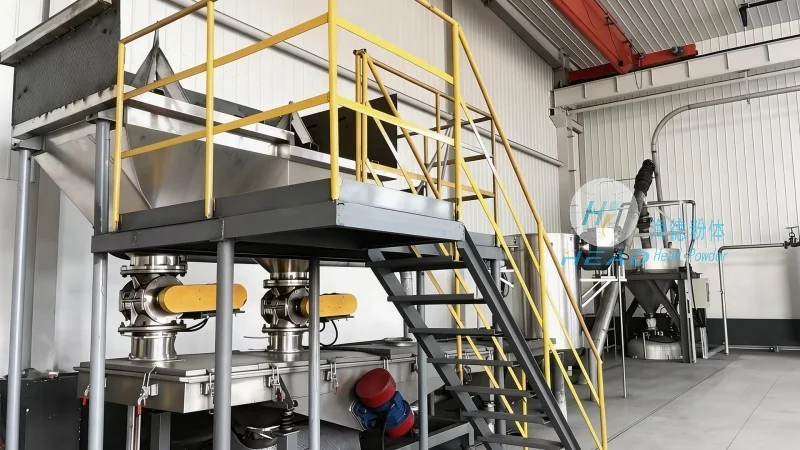
Additionally, the flexibility of pneumatic conveying systems allows for easy integration with other processing equipment. The pipeline can be routed around obstacles or through different levels of a facility, providing greater design flexibility compared to traditional conveyors. This adaptability is particularly valuable in complex industrial environments where space constraints are a factor.
Conclusion
HeadPowder Engineering Co., Ltd., with its headquarters in Shandong, China, offers comprehensive solutions for solids pneumatic conveying systems tailored to the specific needs of soybean meal handling. By understanding the fundamental principles of pneumatic conveying and considering the key characteristics of working scenarios, facilities can optimize their material transport processes, improve operational efficiency, and reduce costs. The technology's adaptability and efficiency make it an essential component in modern industrial operations, ensuring reliable and safe transport of bulk materials like soybean meal.




