When it comes to handling PTFE (Polytrifluorochloroethylene), a material known for its exceptional chemical resistance, thermal stability, and non-stick properties, selecting the right pneumatic conveying system is crucial for maintaining product integrity and operational efficiency. PTFE powders and granules often present unique challenges during material transport due to their low bulk density and tendency to generate static electricity. This article explores several effective solutions for PTFE pneumatic conveying, highlighting the key considerations and system configurations that ensure reliable performance.
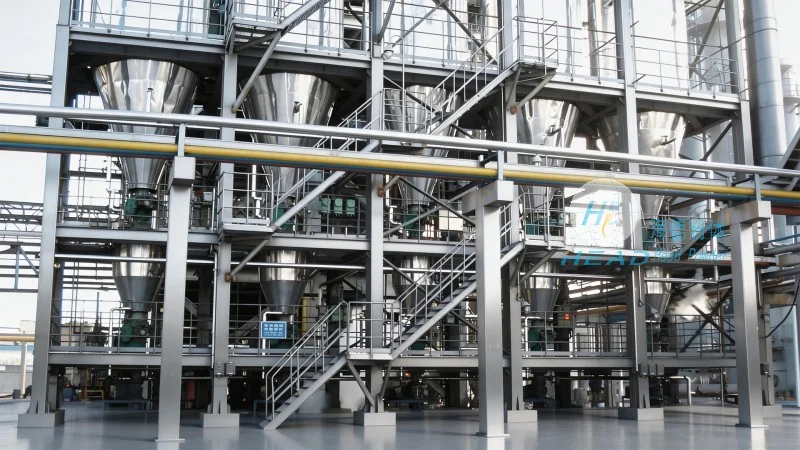
Understanding the Challenges of PTFE Pneumatic Conveying
Before delving into specific solutions, it is essential to understand the inherent challenges associated with conveying PTFE. PTFE is a fine powder or granule with a low bulk density, which can lead to uneven flow and increased pressure drop in pipelines. Additionally, PTFE particles are electrically insulating, making them prone to static charge buildup. This static can cause material agglomeration, clogging, and even pose safety risks in certain environments. Furthermore, PTFE's high melting point and chemical inertness require systems that can handle high temperatures and resist corrosion without compromising product purity.
Option 1: Dilute Phase Pneumatic Conveying
Dilute phase pneumatic conveying is a common method for transporting PTFE, especially for longer distances or when the material is in a fine powder form. This system operates by introducing air at a high velocity into the material stream, creating a suspension of particles in the air. The key components of a dilute phase system include a feed hopper, a rotary valve, a venturi or air lock, and a receiver. The air velocity is typically maintained at a level that keeps the PTFE particles suspended without causing excessive wear on the system components. For PTFE, this method is effective for distances up to several hundred meters and is suitable for applications where the material is to be transferred from a central storage to a processing plant. The system's design ensures that the PTFE particles remain in a suspended state, minimizing the risk of clogging and maintaining consistent flow rates. This approach is particularly advantageous when dealing with PTFE powders that are sensitive to moisture or contamination, as the air stream can be filtered to prevent external particles from entering the system.
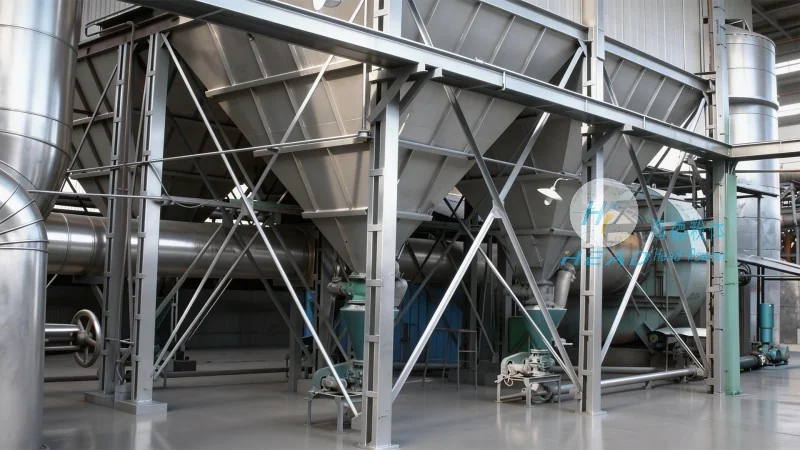
Option 2: Dense Phase Pneumatic Conveying
For applications requiring more controlled and gentle material transport, dense phase pneumatic conveying is often preferred. Unlike dilute phase systems, dense phase systems operate at lower air velocities, which results in a higher concentration of PTFE particles in the air stream. This method is ideal for transporting PTFE in granular form or when the material is more prone to clogging. The system typically uses a positive displacement blower or compressor to generate the necessary pressure, and the material is conveyed in a series of short, high-pressure pulses. This approach reduces the risk of particle degradation and ensures that the PTFE particles are transported without excessive friction or heat generation. Dense phase conveying is particularly useful for handling PTFE that has a higher bulk density or when the conveying distance is shorter, as it provides better control over the material's velocity and pressure. The system's design includes a pressure regulator and a control valve to manage the air flow and particle concentration, ensuring that the PTFE is conveyed smoothly and efficiently.
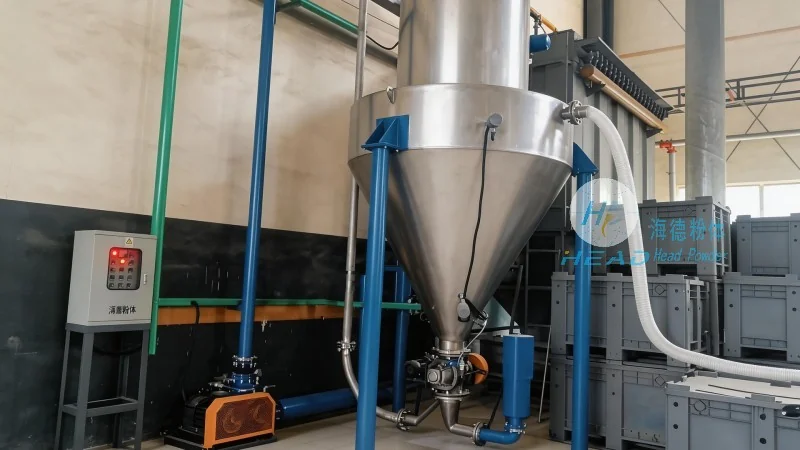
Option 3: Hybrid Pneumatic Conveying Systems
In some cases, a combination of dilute and dense phase principles may be employed to create a hybrid pneumatic conveying system. This approach is particularly effective for handling PTFE in both powder and granular forms, or when the conveying distance and material characteristics vary. The hybrid system typically starts with a dilute phase section for the initial transport of the PTFE, followed by a dense phase section to ensure gentle handling and prevent clogging. This configuration allows for the efficient transfer of PTFE over longer distances while maintaining the material's integrity. The system's control logic is designed to adjust the air velocity and pressure based on the material's flow characteristics, ensuring optimal performance under different operating conditions. Hybrid systems are often used in industrial settings where PTFE is processed in large quantities and needs to be transferred between multiple processing units. The flexibility of this approach makes it suitable for a wide range of PTFE applications, from manufacturing to packaging.
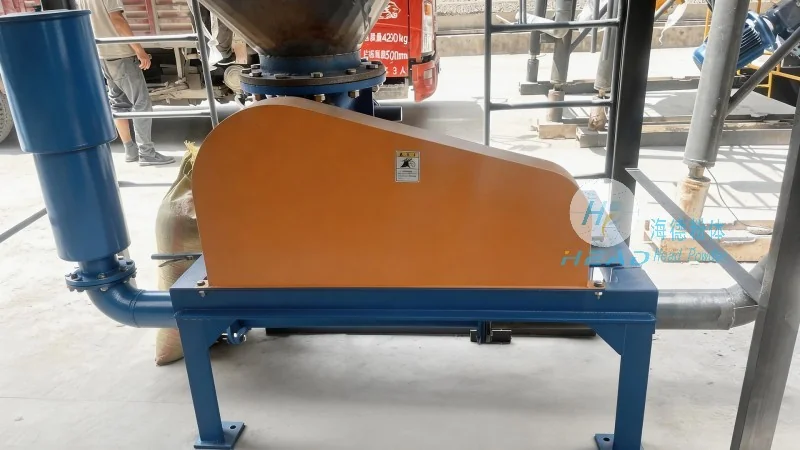
Key Considerations for PTFE Pneumatic Conveying
When selecting a pneumatic conveying system for PTFE, several factors must be considered to ensure optimal performance and product quality. First, the system must be designed to handle the low bulk density and fine particle size of PTFE, which may require larger ducts or higher air velocities to maintain consistent flow. Second, the materials of construction must be compatible with PTFE's chemical properties, such as stainless steel or specialized plastics that resist corrosion and maintain product purity. Third, the system must incorporate effective static control measures, such as grounding electrodes or ionizers, to prevent static charge buildup and material agglomeration. Fourth, the system's filtration and cleaning procedures must be robust enough to remove any contaminants from the air stream, as PTFE is highly sensitive to moisture and other impurities. Finally, the system must be equipped with monitoring and control devices to track pressure, flow rate, and particle concentration, allowing for real-time adjustments to maintain optimal performance.
Conclusion
Choosing the right pneumatic conveying system for PTFE is critical to ensuring efficient and reliable material transport. Whether using dilute phase, dense phase, or hybrid systems, the key is to understand the material's properties and select a system that addresses the specific challenges of PTFE. By considering factors such as material characteristics, conveying distance, and operational requirements, companies can implement a pneumatic conveying system that maintains product integrity, reduces downtime, and enhances overall operational efficiency. For businesses dealing with PTFE, partnering with a specialized engineering company like Shandong HeadPowder Engineering Co., Ltd. can provide the expertise and customized solutions needed to optimize their pneumatic conveying processes.




