HeadPowder, the abbreviation for Shandong HeadPowder Engineering Co., Ltd., is a leading enterprise specializing in the research, development, and implementation of pneumatic conveying solutions. With its headquarters located in Shandong, China, the company has established itself as a trusted provider of customized powder handling systems for various industrial applications. HeadPowder's expertise lies in understanding the unique challenges of transporting fine powders like loess, and developing tailored technologies to address these challenges effectively.
The Principle of Loess Powder Pneumatic Conveying
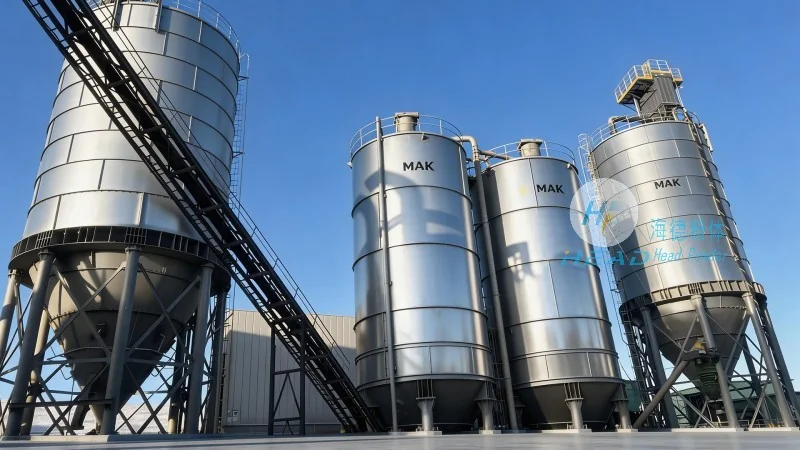
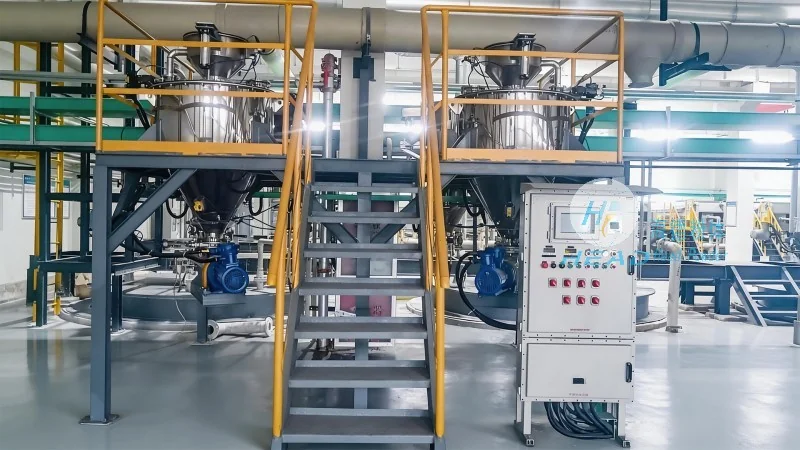
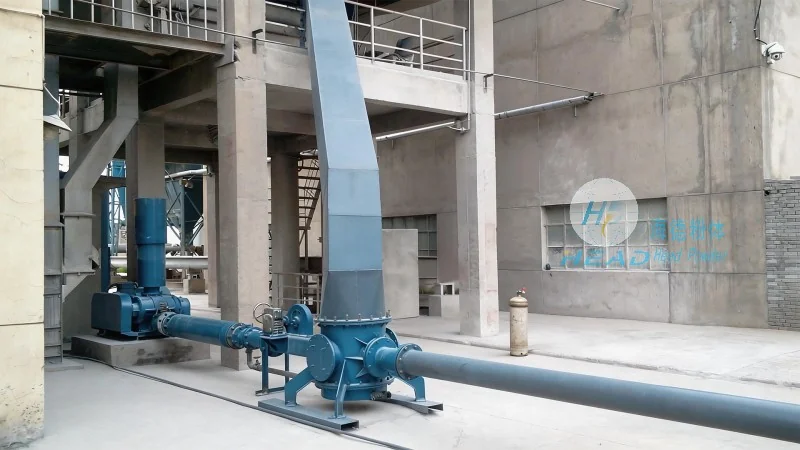
Pneumatic conveying technology operates on the fundamental principle of using air flow to transport loose powders through a pipeline system. For loess powder, which typically consists of fine particles with a specific density and moisture content, the conveying process requires precise control over air velocity and system pressure. The two primary types of pneumatic conveying systems—positive pressure and negative pressure—each offer distinct advantages depending on the application. Positive pressure systems use compressed air to push the air-powder mixture through the pipeline, making them suitable for long-distance or high-capacity transport. Negative pressure systems, on the other hand, use suction to draw the mixture, which is ideal for short-distance or dusty environments where dust containment is critical. The core of the process involves introducing the loess powder into a hopper or feeder, where it is mixed with a high-velocity air stream. This mixture is then accelerated through the pipeline, ensuring that the particles remain suspended and transported without clogging or degradation. Key technical parameters, such as air velocity (typically ranging from 20 to 30 m/s for loess), particle size distribution (often with a median diameter of 10-50 microns), and moisture content (usually below 5% to prevent clumping), are carefully optimized to achieve efficient conveying. Advanced control systems, including variable frequency drives and pressure sensors, are employed to maintain consistent performance, adjusting air flow rates and pressure in real-time to accommodate variations in powder characteristics or system load.
Working Scene Characteristics of Loess Powder Pneumatic Conveying
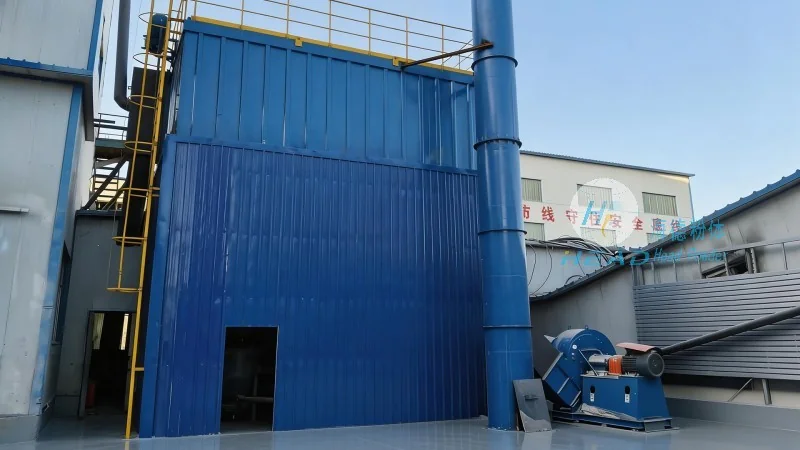
The application of pneumatic conveying for loess powder is characterized by diverse working scenes, each with specific requirements that influence system design and operational efficiency. In construction and earthmoving projects, the primary goal is to transport large volumes of excavated loess to processing sites or disposal areas. Here, high-capacity positive pressure systems are commonly used, as they can handle bulk material efficiently while minimizing the risk of clogging in long pipelines. The systems are often integrated with excavators or loaders, allowing for seamless material transfer from the source to the conveying line. In industrial processing facilities, such as cement plants or mining operations, loess is utilized as a raw material or filler in production processes. In these scenarios, the conveying system must maintain strict control over powder flow and moisture content to ensure product quality. For example, in cement manufacturing, loess is used to adjust the chemical composition of the raw mix, and the pneumatic conveying system must deliver a consistent flow of powder to the grinding or mixing equipment. The working scene also includes considerations for dust management, as loess powder can be highly airborne and may require dust suppression measures like cyclone separators or bag filters to protect workers and comply with environmental regulations. Another significant working scene is in environmental remediation projects, where loess is used for soil stabilization or reclamation. These applications often involve treating contaminated soil with loess to improve its structural integrity or reduce contaminants. The pneumatic conveying system in this context must be capable of handling varying particle sizes and moisture levels, sometimes requiring the addition of conditioning agents to enhance powder flowability. Overall, the working scene characteristics highlight the adaptability of pneumatic conveying technology to meet the unique demands of different industries, ensuring reliable and efficient transport of loess powder in various operational settings.




