Aggregate powder pneumatic conveying is a critical technology in material handling, particularly for transporting bulk materials like aggregates and powders over varying distances. This method leverages compressed air or other gas streams to move particles through a pipeline system, offering advantages such as reduced equipment wear, improved safety, and the ability to handle diverse material types. Understanding the underlying principles and typical working scenarios is essential for selecting the right system for specific industrial applications.
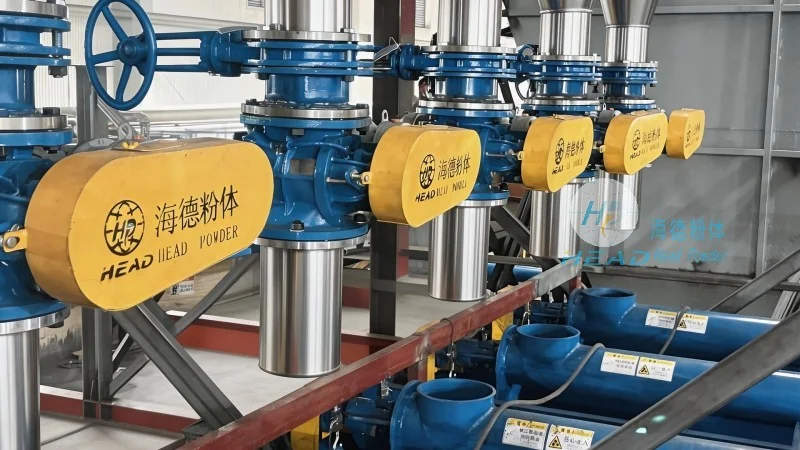
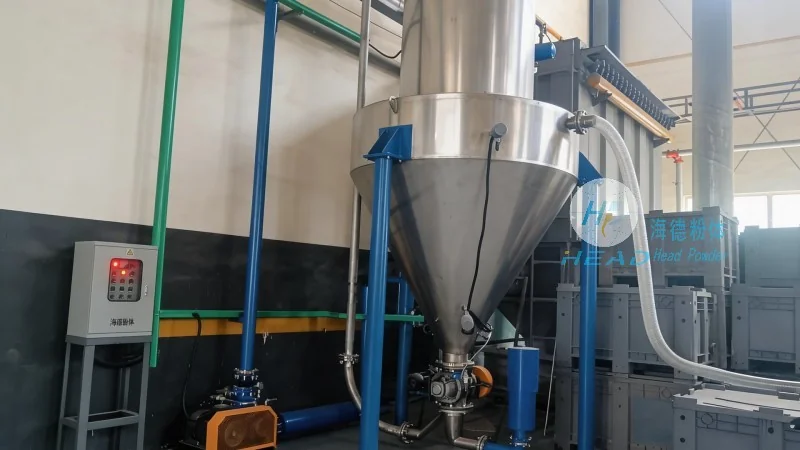
Principles of Pneumatic Conveying
The core principle of pneumatic conveying involves creating a pressure differential between the inlet and outlet of a conveying line. By introducing compressed air into the system, the material is entrained and transported through the pipeline. There are two primary modes of pneumatic conveying: dilute-phase and dense-phase. Dilute-phase systems operate at higher velocities, typically with air-to-material ratios above 25:1, making them suitable for short distances and low to medium material loads. Dense-phase systems, on the other hand, use lower velocities and higher air-to-material ratios (often below 10:1), which is ideal for longer distances and more sensitive materials, as it reduces particle impact and abrasion. The choice between these modes depends on factors like material properties, distance, and system design requirements.
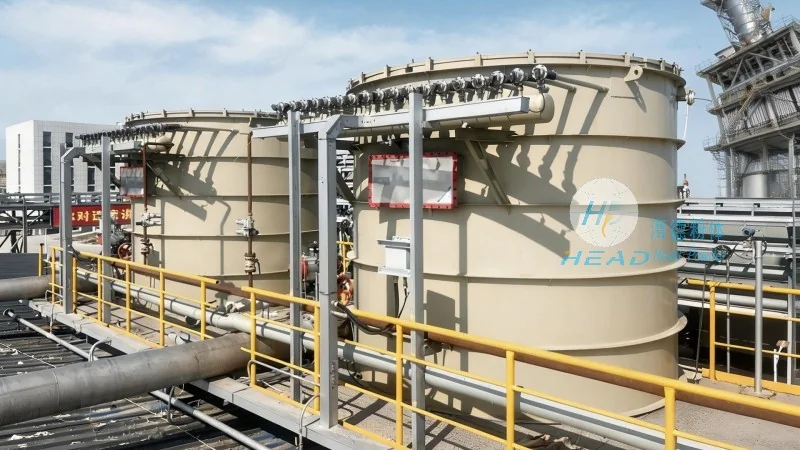
Working Scene Characteristics
The working scene characteristics of aggregate powder pneumatic conveying systems vary based on the application and operational environment. For instance, in construction sites, these systems are commonly used to transport sand, gravel, and cement from storage silos to mixing plants or on-site storage areas. The key characteristics in this scenario include high material throughput, the need for compact installation to fit within limited space, and the requirement for dust control measures to comply with environmental regulations. In industrial manufacturing, such as in the production of concrete or asphalt, pneumatic conveying is used to move raw materials like limestone, fly ash, or silica sand to processing units. Here, the focus is on maintaining consistent material flow rates, ensuring minimal material degradation, and integrating with existing production lines. Additionally, in mining operations, pneumatic conveying can be employed to transport crushed ore or fine powders from processing plants to storage or shipping facilities. The working scene in mining often involves handling abrasive materials and dealing with varying particle sizes, which requires robust system components and efficient dust collection systems.
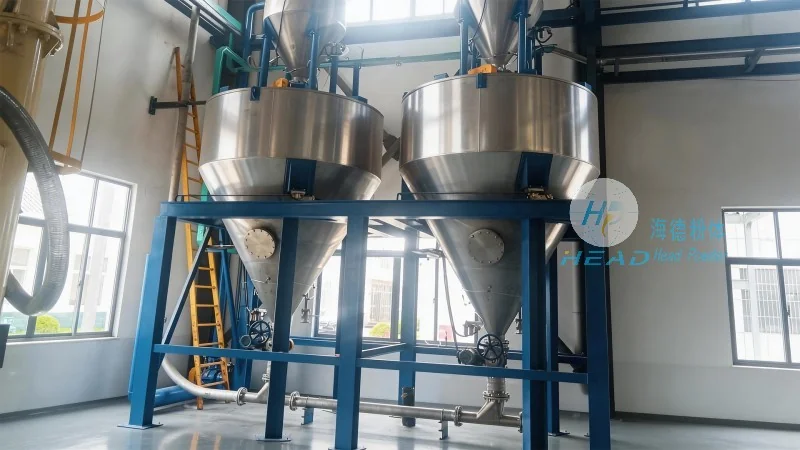
Company Profile: Shandong HeadPowder Engineering Co., Ltd.
HeadPowder, a leading provider of material handling solutions, specializes in designing and manufacturing advanced pneumatic conveying systems tailored to the needs of various industries. With a strong focus on innovation and customer satisfaction, the company has established itself as a trusted partner for businesses requiring efficient and reliable material transport solutions. HeadPowder's expertise lies in customizing systems to meet specific operational requirements, ensuring optimal performance and longevity. The company's headquarters is located in Shandong, China, where it leverages local resources and industry knowledge to deliver high-quality products and services. By combining technical expertise with practical application, HeadPowder continues to enhance the efficiency of material handling processes across diverse sectors.




