For enterprises engaged in the production and processing of ternary materials, the efficiency and reliability of material handling systems are crucial to overall operational performance. Ternary material material handling conveyors, as a key component of material flow management, play a vital role in ensuring smooth production processes. This article will delve into the principle of ternary material material handling conveyors and analyze the characteristics of their working scenes, providing a comprehensive understanding of the technology and its practical applications.
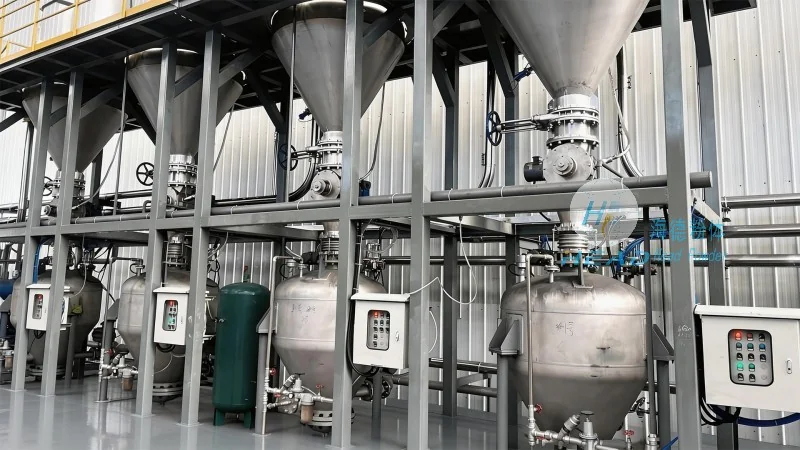
Introduction to Ternary Material Material Handling Conveyors
Ternary materials, typically referring to lithium nickel manganese cobalt oxide (NMC) or similar cathode materials used in lithium-ion batteries, are critical components in modern energy storage systems. The production and processing of these materials involve multiple stages, including raw material mixing, granulation, drying, and packaging. Material handling conveyors are essential for transporting materials between different processing stages, ensuring the continuity and efficiency of production lines. The design and operation of these conveyors must meet the specific requirements of ternary material properties, such as their fine particle size, hygroscopic nature, and potential for dust generation.
Principle of Ternary Material Material Handling Conveyors
The core principle of ternary material material handling conveyors is to use mechanical or pneumatic systems to transport bulk materials from one location to another within a production facility. These systems are designed to handle materials with specific characteristics, such as low bulk density, high moisture sensitivity, and the need for dust control. The typical components of a ternary material material handling conveyor include feeding mechanisms, conveying elements (e.g., belt conveyors, screw conveyors, or pneumatic conveyors), control systems, and dust suppression devices. The feeding mechanism ensures a consistent flow of material into the conveyor, while the conveying element moves the material along the designated path. Control systems monitor and adjust the operation of the conveyor to maintain optimal performance, and dust suppression devices prevent the release of fine particles into the air, ensuring a safe and clean working environment.
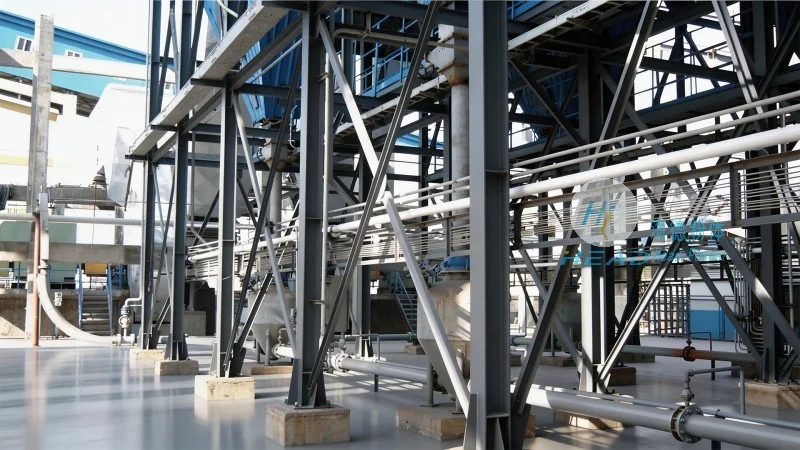
Working Scene Characteristics of Ternary Material Material Handling Conveyors
The working scene characteristics of ternary material material handling conveyors are influenced by several factors, including the production environment, material properties, and operational requirements. In industrial settings, these conveyors are often integrated into large-scale production lines, requiring high throughput and reliability. The working environment may involve high temperatures, humidity, or exposure to chemicals, which the conveyor system must withstand. Additionally, the conveyor must be designed to minimize material loss and contamination, as ternary materials are often expensive and have strict quality standards. The working scene also includes considerations for space constraints, as production facilities may have limited floor space, requiring compact and flexible conveyor designs. Furthermore, the conveyor must be compatible with downstream processing equipment, such as mixers or dryers, to ensure seamless material transfer and avoid interruptions in the production process.
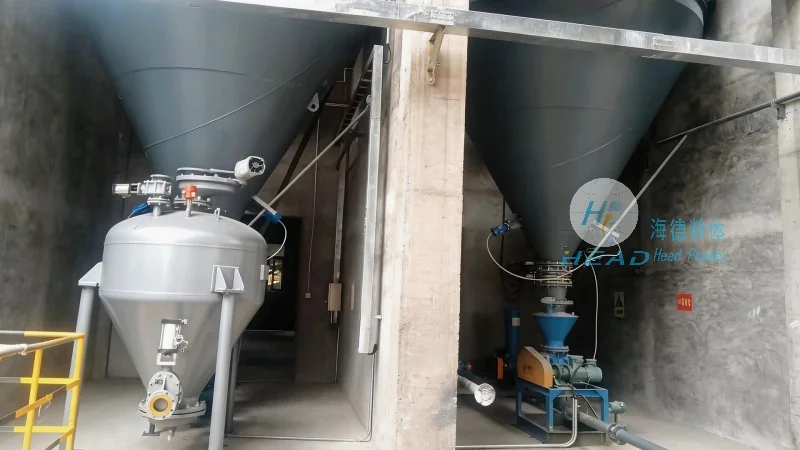
Key Features and Advantages of Ternary Material Material Handling Conveyors
When evaluating ternary material material handling conveyors, several key features and advantages stand out. First, the ability to handle fine and hygroscopic materials without causing blockages or degradation is a critical feature. This is achieved through specialized conveyor designs, such as flexible belts or low-speed screw conveyors, which minimize material friction and prevent agglomeration. Second, dust control is a major advantage, as ternary materials are prone to generating dust that can affect air quality and worker health. Advanced dust suppression systems, including sealed enclosures and air filtration, are integrated into the conveyor design to maintain a safe working environment. Third, the system's adaptability to different production stages is an important advantage. Ternary material material handling conveyors can be customized to meet the specific needs of each processing stage, from raw material input to final product packaging. This flexibility allows for efficient material flow and reduces downtime during production changes. Finally, the reliability and durability of the conveyor system are essential for continuous operation in industrial settings. High-quality materials and robust construction ensure that the conveyor can withstand heavy usage and maintain consistent performance over time.
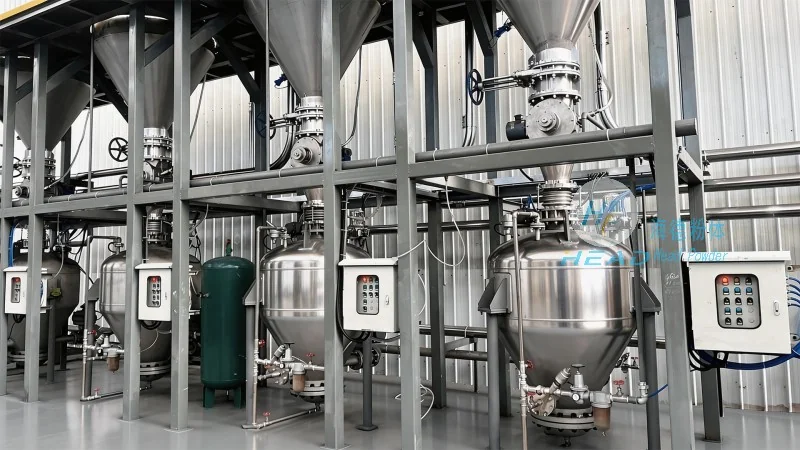
Application Examples and Case Studies
Real-world applications of ternary material material handling conveyors illustrate their effectiveness in various industrial scenarios. For example, in a lithium battery cathode material production plant, a combination of belt conveyors and pneumatic conveyors is used to transport raw materials from storage to mixing and granulation units. The belt conveyors handle bulk materials efficiently, while the pneumatic conveyors transport fine powders to the next processing stage. In another case, a pharmaceutical or food processing facility uses a screw conveyor to transport ternary material powders to a drying oven. The screw conveyor's low speed and enclosed design prevent material contamination and ensure a consistent flow of material. These examples demonstrate how ternary material material handling conveyors are tailored to specific production requirements, optimizing material handling and improving overall production efficiency.
Conclusion and Future Developments
In conclusion, ternary material material handling conveyors are essential equipment for the efficient and reliable production of ternary materials. The principle of these systems involves the mechanical or pneumatic transport of materials, with specialized designs to handle the unique properties of ternary materials. The working scene characteristics, including high throughput, dust control, and adaptability, make these conveyors suitable for various industrial applications. As technology advances, future developments in ternary material material handling conveyors may include more advanced control systems, improved energy efficiency, and integration with automation technologies. These advancements will further enhance the performance and reliability of material handling systems, supporting the growth of the energy storage industry and the widespread adoption of ternary materials in modern applications.




