Phosphate iron lithium material conveying lines are specialized systems designed to handle the transportation of phosphate iron lithium materials, which are critical components in the production of lithium-ion batteries. These lines integrate advanced engineering principles and robust mechanical components to ensure efficient, safe, and reliable material movement within industrial settings. The system's design is tailored to meet the unique physical and chemical properties of phosphate iron lithium, such as its granular or powder form, and the need for precise control during handling.
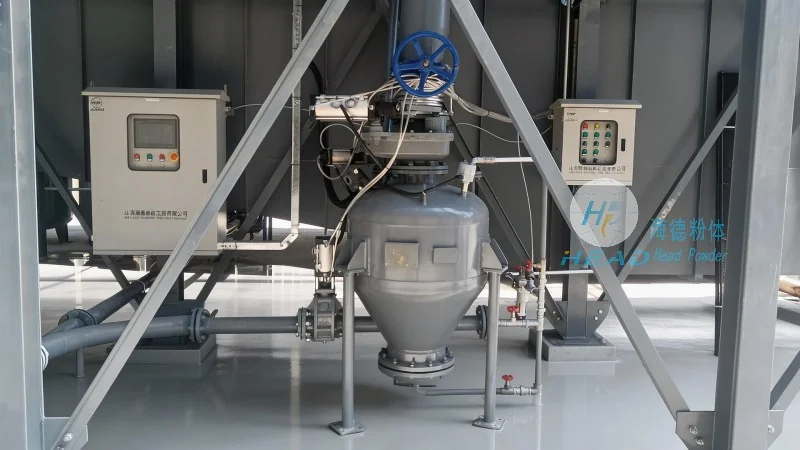
Company Overview: HeadPowder
HeadPowder, formally known as Shandong HeadPowder Engineering Co., Ltd., is a leading manufacturer and supplier of material handling solutions. With operations based in Shandong, China, the company specializes in developing customized conveying systems for various industrial applications. HeadPowder's expertise lies in understanding the specific requirements of different materials and processes, enabling the creation of tailored solutions that enhance productivity and operational efficiency.
Principle of Operation for Phosphate Iron Lithium Conveying Lines
The core principle of phosphate iron lithium material conveying lines revolves around the use of mechanical components to transport bulk materials. These systems typically incorporate elements such as feeders, conveyors (e.g., belt conveyors, screw conveyors, or pneumatic conveyors), and control mechanisms. The process begins with material feeding, where the phosphate iron lithium is introduced into the system. Feeders, often equipped with adjustable speed controls, regulate the flow rate to maintain consistent material throughput. Conveyors then transport the material along designated paths, ensuring smooth and continuous movement. Control systems, including sensors and automation devices, monitor the process in real-time, adjusting parameters as needed to prevent overloading, blockages, or other operational issues. This integrated approach ensures that the material is handled with minimal risk of degradation or contamination, which is crucial for maintaining the quality of the final product.
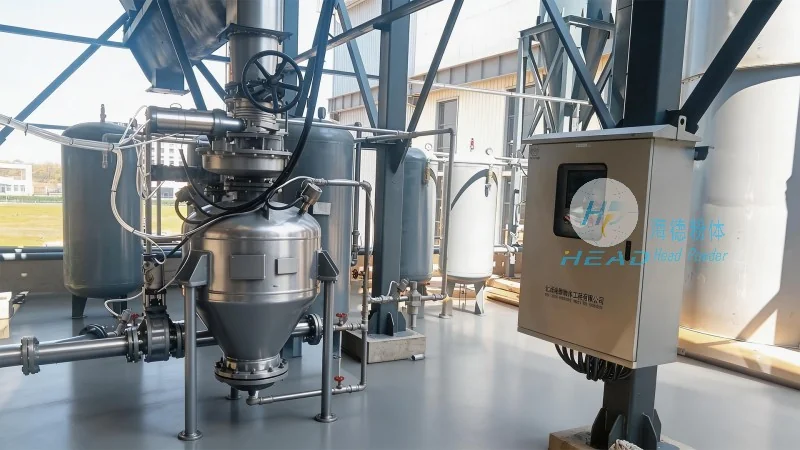
Working Scene Characteristics of Phosphate Iron Lithium Conveying Lines
The working scene characteristics of phosphate iron lithium material conveying lines are shaped by several key factors, including the material's properties, operational environment, and the system's design. First, the material's granular or powdery nature requires systems with low friction and minimal material buildup to prevent clogging. This is achieved through the use of smooth surfaces, appropriate conveyor speeds, and regular maintenance schedules. Second, the industrial environment often involves high temperatures or exposure to moisture, necessitating materials and components that are resistant to corrosion and wear. For instance, stainless steel or specialized coatings may be used for conveyor components to withstand harsh conditions. Third, the need for precision in material handling, especially in battery production, demands systems with high accuracy in flow control and positioning. This ensures that the correct amount of material is delivered to subsequent processing stages, minimizing waste and optimizing production yields. Additionally, the system's layout must consider space constraints and integration with other production equipment, requiring flexible and scalable designs that can adapt to changing production needs.
Key Features and Advantages of Phosphate Iron Lithium Conveying Lines
Phosphate iron lithium material conveying lines offer several advantages that make them indispensable in modern industrial operations. One of the primary benefits is enhanced efficiency, as these systems can handle large volumes of material with minimal human intervention. The automation and control features reduce labor costs and improve operational consistency. Another advantage is improved safety, as the enclosed and controlled environment minimizes the risk of dust exposure or material spills, which are common hazards in traditional material handling methods. The systems also contribute to better product quality by maintaining consistent material properties and preventing contamination. Furthermore, the modular design of many conveying lines allows for easy expansion or reconfiguration, enabling manufacturers to adapt to changing production demands without significant downtime or capital investment. This flexibility is particularly valuable in industries where product specifications or production volumes may fluctuate over time.
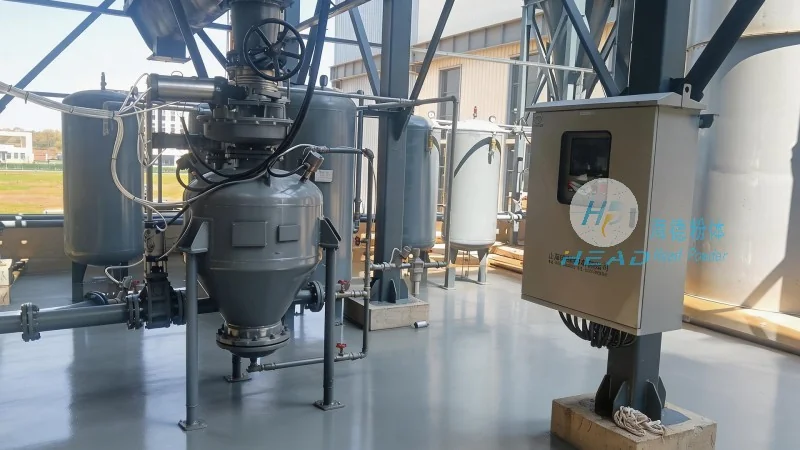
Application Scenarios and Case Studies
Phosphate iron lithium material conveying lines are widely used in various industrial settings, particularly in the battery manufacturing sector. For example, in a lithium-ion battery production facility, these lines are essential for transporting phosphate iron lithium from storage silos to mixing and compounding equipment. The system ensures that the material is delivered in the correct proportions and at the right speed, which is critical for achieving the desired battery performance characteristics. Another application is in recycling facilities, where the lines help in sorting and transporting recycled phosphate iron lithium materials for reprocessing. In such scenarios, the conveying lines must be equipped with additional features, such as magnetic separation or filtration, to handle contaminated or mixed materials. Case studies from HeadPowder have shown successful implementations in both new battery production lines and existing recycling operations, demonstrating the system's adaptability and reliability.
Conclusion and Future Outlook
In conclusion, phosphate iron lithium material conveying lines are sophisticated systems that play a vital role in the efficient and safe handling of critical battery materials. The combination of advanced engineering, robust components, and intelligent control systems ensures that these lines meet the demanding requirements of modern industrial production. As the demand for lithium-ion batteries continues to grow, the importance of reliable material handling solutions will only increase. HeadPowder, with its expertise and commitment to innovation, remains at the forefront of developing cutting-edge conveying systems that address the evolving needs of the industry. By focusing on precision, efficiency, and safety, these systems not only enhance operational performance but also contribute to the sustainability and competitiveness of battery manufacturers.




