Calcined gypsum material conveying lines are critical industrial systems designed to efficiently transport calcined gypsum from processing stages to storage or subsequent production units. These lines integrate mechanical components such as feeders, conveyors, and control mechanisms to ensure smooth material handling. The fundamental principle involves the mechanical movement of gypsum particles through a structured pathway, utilizing gravity, mechanical force, or pneumatic pressure to achieve transport. This system is engineered to preserve material integrity, minimize dust generation, and optimize operational efficiency, making it indispensable in industries like cement manufacturing and construction material production. The design of these lines is tailored to the physical and chemical properties of calcined gypsum, which is a fine, hygroscopic powder that can be abrasive and prone to dust generation during handling.
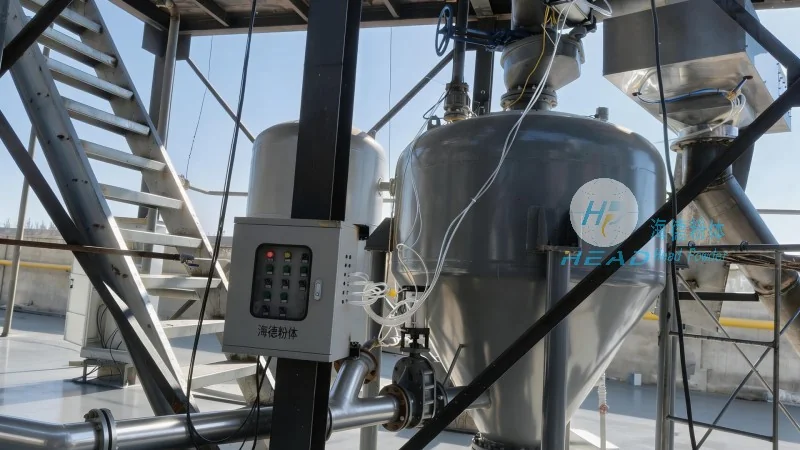
Key Components and Their Roles in Calcined Gypsum Conveying Lines
The calcined gypsum material conveying line comprises several essential components that collaborate to facilitate effective material transport. The feeder serves as the initial stage, responsible for uniformly feeding the calcined gypsum into the system. This component ensures a consistent flow rate, preventing blockages or uneven distribution of the material. The conveyor, which can be belt, screw, or pneumatic, is the primary mechanism for moving the material along the designated path. Given that calcined gypsum is typically in a fine or granular form, a belt conveyor with a treated surface may be employed to reduce friction and prevent material sticking. Additionally, control systems, including sensors and automation devices, monitor flow rate, pressure, and temperature to maintain optimal operation. These components collectively ensure the conveying process is reliable, safe, and adaptable to varying production demands. The selection of each component is based on factors such as material characteristics, production capacity, and environmental conditions, ensuring the system meets specific operational requirements.
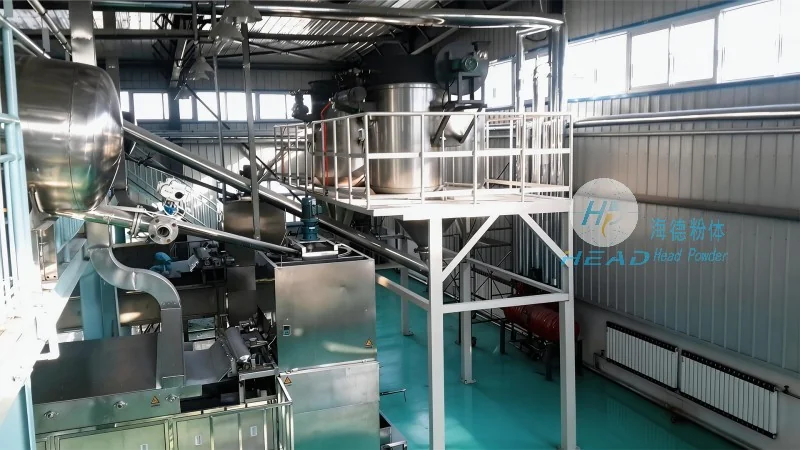
Working Scene Characteristics and Application Environments
The working scene characteristics of calcined gypsum material conveying lines are tailored to specific industrial applications. In cement production, for example, these lines transport calcined gypsum from the calcination kiln to the cement grinding plant, where it is blended with clinker to adjust the cement's setting time. The environment in such scenarios is often high-temperature and high-humidity, requiring the conveying system to be robust and resistant to corrosion. In construction material manufacturing, the lines move calcined gypsum to storage facilities or other processing units for the production of gypsum boards or plasters. The working scene also considers material handling capacity, which can range from small-scale operations to large industrial plants, and the need for dust control measures, as calcined gypsum is a fine powder that generates significant dust during handling. The design of the conveying line must account for facility space constraints, ensuring it can be installed and operated within the available footprint. Additionally, the system may need to integrate with other production equipment, such as mixers or crushers, to form a cohesive production line, requiring seamless coordination and compatibility.
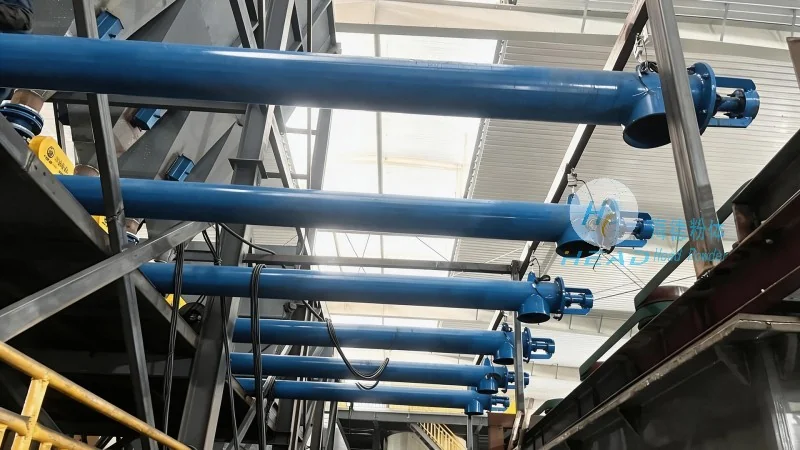
Operational Efficiency and Maintenance Practices
Operational efficiency is a key focus in the design and implementation of calcined gypsum material conveying lines. The system is optimized to minimize energy consumption while maintaining high throughput. This is achieved through the selection of appropriate conveyor types and speeds, as well as efficient drive systems. Regular maintenance is crucial for the longevity and reliability of the conveying line. Components like belts, bearings, and seals require periodic inspection and replacement to prevent breakdowns. For calcined gypsum, which is abrasive, conveyor surfaces and components are often made of durable materials such as stainless steel or high-grade alloys to withstand wear and tear. The system may also include cleaning mechanisms, such as brushes or air jets, to remove accumulated material and prevent clogging. Proper maintenance not only extends equipment lifespan but also ensures consistent performance and reduces downtime, critical for maintaining production schedules. The maintenance schedule is typically based on operational hours, material type, and environmental factors, with regular checks on the conveyor belt tension, motor performance, and control system functionality. Any anomalies, such as increased vibration or temperature, are promptly addressed to prevent further damage and ensure continuous operation.




