Wheat bran pneumatic conveying machines are essential equipment in the food processing and agricultural industries, designed to efficiently transport wheat bran and similar bulk materials. These systems utilize air pressure to move materials through a pipeline network, offering a dust-free, hygienic, and flexible solution for material handling. The core principle of pneumatic conveying involves the use of compressed air to create a flow that propels the material particles through the system, eliminating the need for mechanical components like belts or screws that can cause contamination or wear.
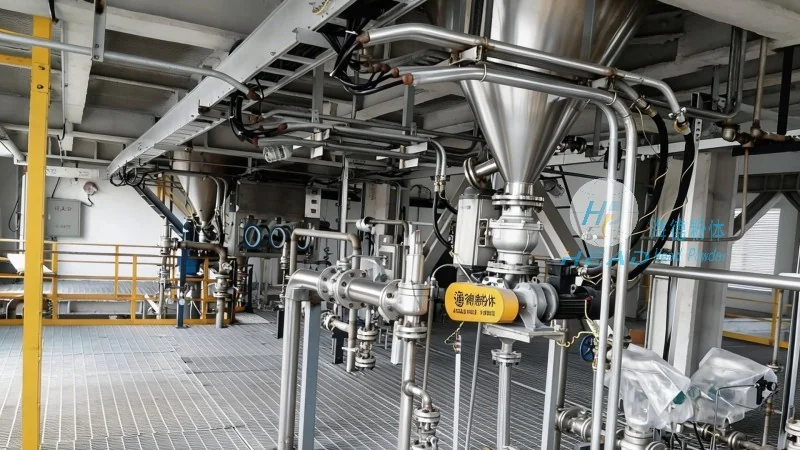
Working Principle of Wheat Bran Pneumatic Conveying Systems
The operation of a wheat bran pneumatic conveying system is based on the fundamental principle of fluidization and air movement. In a typical positive pressure system, a blower or compressor generates high-pressure air that is introduced into the conveying line at the inlet. The air flow creates a low-pressure zone that draws the wheat bran particles into the pipeline. As the air and material mixture travels through the system, the air velocity is maintained above the material's terminal velocity to ensure continuous movement. The system may include components such as inlets, filters, and cyclones to separate the air from the material at the discharge point. Negative pressure systems, on the other hand, use a vacuum pump to create a suction effect, drawing the material into the pipeline. Both systems are designed to handle fine or bulk materials like wheat bran, ensuring efficient and reliable transport.
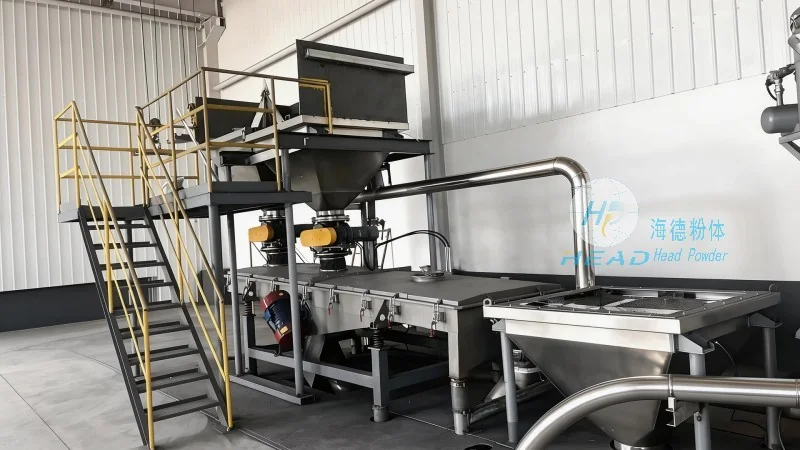
Key Components and Their Functions
Wheat bran pneumatic conveying machines consist of several critical components that work together to ensure optimal performance. The main components include the air supply unit (blower or compressor), conveying pipes, inlets and outlets, filters, and separation devices. The air supply unit provides the necessary pressure or vacuum to move the material. Conveying pipes are typically made of stainless steel or other corrosion-resistant materials to handle the abrasive nature of wheat bran and prevent contamination. Inlets are designed to introduce the material into the system without causing blockages, often equipped with feed hoppers or rotary valves. Filters are essential to remove dust and debris from the air, maintaining air quality and preventing system clogging. Separation devices, such as cyclones or bag filters, are used to separate the material from the air at the discharge end, allowing the material to be collected in a container while the air is either recirculated or discharged.
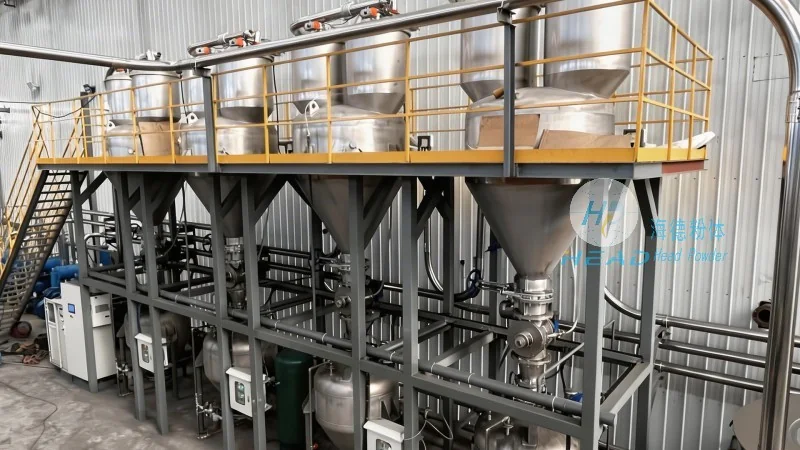
Working Scene Characteristics and Applications
The working scene characteristics of wheat bran pneumatic conveying systems are tailored to the specific needs of food processing and agricultural operations. These systems are commonly used in flour mills, where they transport wheat bran from storage silos to processing areas or packaging lines. The hygienic design of the equipment ensures compliance with food safety regulations, making it suitable for handling food-grade materials. In agricultural settings, the machines are used to transport wheat bran from storage facilities to processing plants or for distribution to farms. The flexibility of pneumatic conveying allows for easy integration into existing production lines, with the ability to adjust the conveying rate based on production demands. Additionally, the system's ability to handle both fine and bulk materials makes it versatile for various applications, from small-scale farms to large industrial facilities.
Advantages of Using Wheat Bran Pneumatic Conveying Machines
Wheat bran pneumatic conveying machines offer several advantages over traditional mechanical conveying methods. The primary benefit is the elimination of dust and contamination, as the material is enclosed within the pipeline. This ensures that the wheat bran remains clean and free from external particles, which is crucial for food processing applications. The system also provides a hygienic and safe working environment, as there is no direct contact between the material and human operators. Additionally, pneumatic conveying systems are more flexible and can be easily reconfigured to accommodate changes in production processes or material types. The low maintenance requirements of the equipment, compared to mechanical systems, result in reduced downtime and lower operational costs. The energy efficiency of the system, particularly in positive pressure systems, also contributes to cost savings over time.
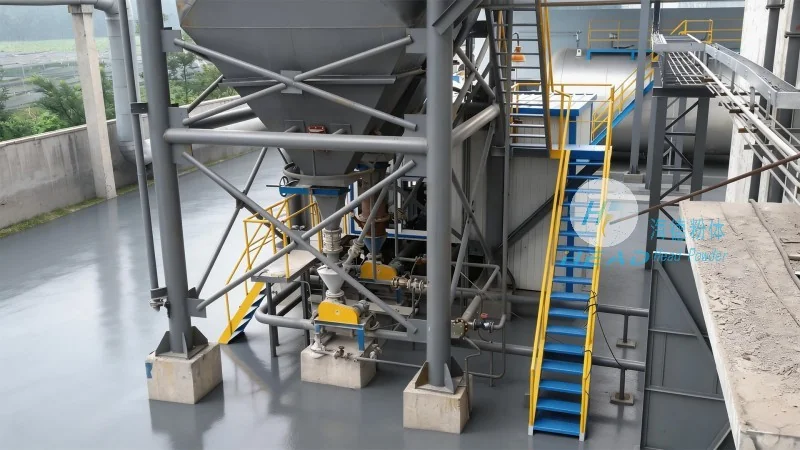
Company Profile: Shandong HeadPowder Engineering Co., Ltd.
Shandong HeadPowder Engineering Co., Ltd. is a leading manufacturer of pneumatic conveying equipment, specializing in solutions for the food processing and agricultural industries. With a focus on innovation and quality, the company has developed advanced wheat bran pneumatic conveying machines that meet the highest standards of performance and hygiene. HeadPowder's products are designed to handle the unique challenges of transporting wheat bran, including its fine particle size and hygroscopic nature. The company's facilities are located in Shandong, China, where it leverages local expertise and resources to produce reliable and durable equipment. HeadPowder's commitment to customer satisfaction and technical support ensures that clients receive the best possible service and solutions for their material handling needs.




