White sugar, a fundamental ingredient in the food and beverage industry, demands efficient and reliable transportation methods to preserve its quality and integrity. Pneumatic conveying has become a preferred solution for handling white sugar, offering benefits such as reduced contamination, lower labor costs, and enhanced safety. This article examines the core principles of white sugar pneumatic conveying and highlights key operational characteristics that define its effectiveness across various industrial settings.
Understanding Pneumatic Conveying Principles
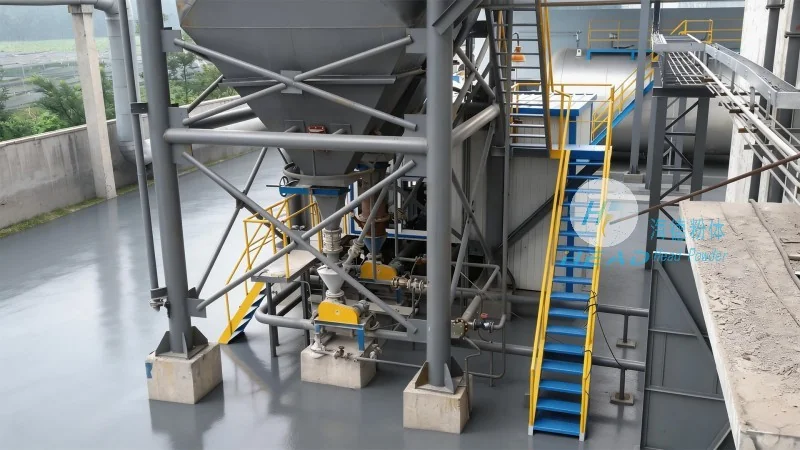
Pneumatic conveying operates by transporting bulk materials through a pipeline using air or other gases. For white sugar, this involves moving granular particles by creating a pressure differential or utilizing vacuum to transfer the material from a source to a destination. The fundamental principle is leveraging air as the conveying medium, which can be either positive pressure (air forced into the system) or negative pressure (air drawn out). Positive pressure systems are commonly used for white sugar due to their ability to handle fine particles and minimize product degradation.
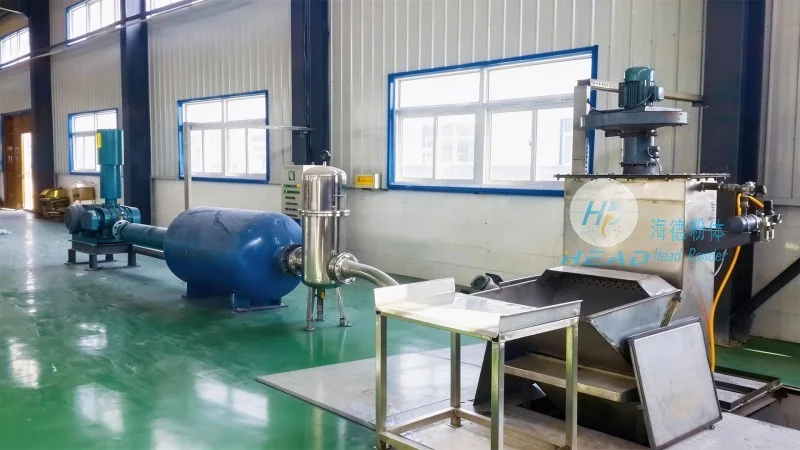
The process typically begins with a hopper or storage silo where the white sugar is stored. An air compressor or blower generates the necessary pressure, which is then introduced into the conveying line. The sugar particles are entrained by the moving air and transported through the pipeline to the receiving vessel or processing unit. Critical components of a pneumatic conveying system for white sugar include the hopper, feeder, air compressor, conveying line, and receiver. Each component plays a vital role in ensuring smooth and efficient operation.
Key Operational Characteristics of White Sugar Pneumatic Conveying
Several operational characteristics define the performance of white sugar pneumatic conveying systems. A primary advantage is maintaining product purity. The enclosed system minimizes exposure to external contaminants, which is crucial for white sugar used in food applications with strict quality standards. Additionally, it reduces dust accumulation and cross-contamination risks, preserving the final product's appearance and taste.
Another critical characteristic is energy efficiency. Compared to traditional methods like bucket elevators or belt conveyors, pneumatic systems achieve higher throughput with lower energy consumption. This is particularly beneficial for large-scale sugar processing facilities where operational costs are a key consideration. The system also minimizes product degradation by reducing mechanical stress and friction during transport, ensuring the white sugar retains its granular structure and quality.
Application Scenarios and Industry Integration
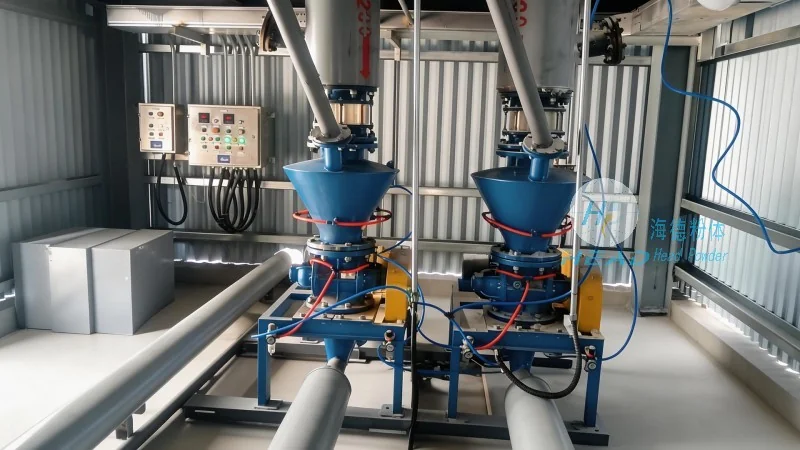
White sugar pneumatic conveying is widely applied in diverse industrial settings, from sugar mills and refineries to food processing plants and distribution centers. In sugar mills, the system transports raw sugar from storage silos to processing equipment like juice extractors and evaporators, ensuring continuous and efficient material flow essential for maintaining production rates. In refineries, pneumatic conveying moves refined white sugar from crystallization tanks to packaging lines, preparing it for distribution.
In food processing plants, the technology transports white sugar to blending and mixing operations, where it is combined with other ingredients for beverages, baked goods, and confectionery items. The enclosed nature prevents cross-contamination with other food products, ensuring compliance with food safety regulations. Distribution centers also use pneumatic conveying to move bulk white sugar from storage to packaging units, streamlining logistics and reducing handling time.
Advantages and Considerations for White Sugar Handling
Implementing pneumatic conveying for white sugar offers several advantages that make it ideal for industrial applications. The primary benefit is handling fine particles without clogging or blockages, achieved through appropriate air velocities and system design. Another advantage is flexibility, allowing adjustment to varying production rates and material flow requirements.
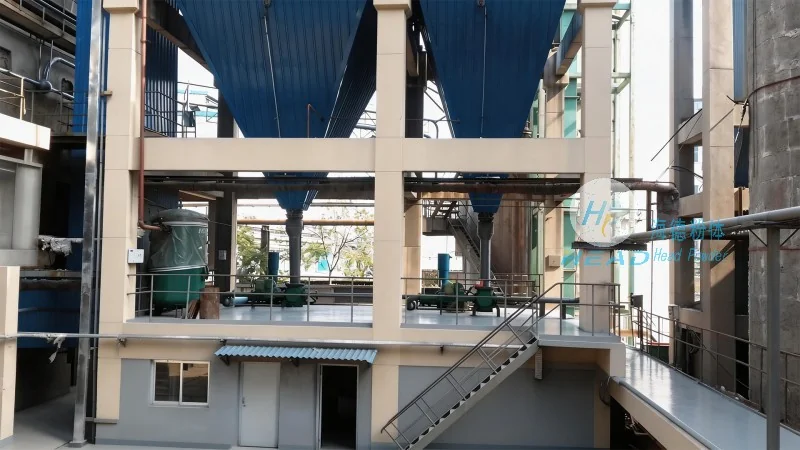
However, considerations include managing moisture content, as high levels can cause caking or blockages in the conveying line. Proper drying and conditioning of the sugar before transport are essential. Additionally, regular maintenance is required to prevent wear and tear on components like the air compressor and conveying line, impacting operational reliability.
Conclusion
Pneumatic conveying represents a sophisticated and effective method for handling white sugar, combining fluid dynamics and material science principles to deliver reliable and efficient transportation. Its operational characteristics—product purity, energy efficiency, and flexibility—make it suitable for a range of industrial applications. As the demand for high-quality white sugar grows, advanced pneumatic conveying technologies remain critical for efficient production and distribution. Companies like Shandong HeadPowder Engineering Co., Ltd., based in China, specialize in designing and manufacturing customized pneumatic conveying systems tailored to sugar processing facilities' specific needs, providing solutions that enhance operational performance and product quality.




