Pneumatic conveying is a critical technology in the handling and transportation of fine powders, including catalyst powders, which are essential in various industrial processes such as chemical manufacturing, petrochemical refining, and pharmaceutical production. This method involves the use of air or other gases to transport solid particles through a pipeline system, offering a flexible and efficient alternative to traditional bulk material handling methods like belt conveyors or bucket elevators. For industries dealing with catalyst powders, understanding the working principle and key characteristics of pneumatic conveying is vital for optimizing process efficiency, ensuring product quality, and maintaining operational safety.
The Working Principle of Pneumatic Conveying for Catalyst Powders
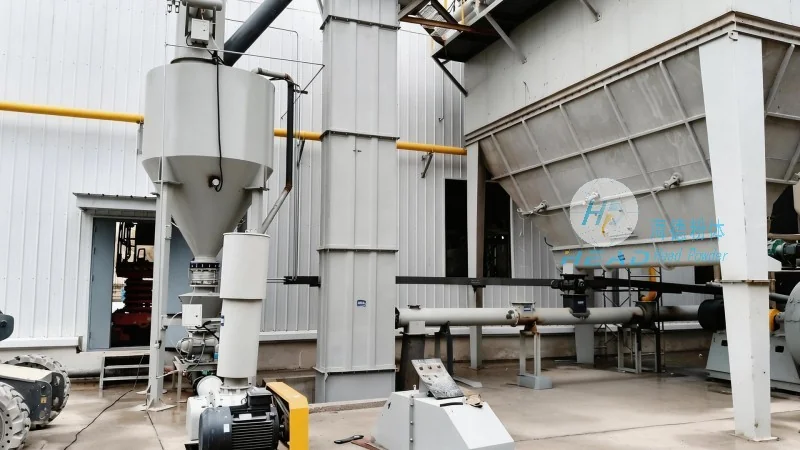
The core mechanism of pneumatic conveying for catalyst powders relies on the creation of a pressure differential within a closed pipeline system. The process typically involves several key components: a feeding device to introduce the catalyst powder into the system, a conveying line (often made of stainless steel or other corrosion-resistant materials to handle the chemical properties of catalysts), a fan or blower to generate the necessary airflow, and a discharge device to deliver the material to its destination. There are two primary modes of pneumatic conveying: dilute-phase and dense-phase. Dilute-phase conveying operates at higher velocities (typically 20-30 m/s) and lower pressure, where the powder is suspended in the air stream as a fine mist. Dense-phase conveying, on the other hand, uses lower velocities (5-15 m/s) and higher pressure to move the powder in a more concentrated form, often with the aid of a pulse or lock hopper to control the flow.
In the context of catalyst powders, the choice between these modes depends on factors such as the particle size, moisture content, and the distance to be conveyed. For example, fine catalyst powders with low bulk density may require dilute-phase systems to ensure efficient suspension, while larger or more cohesive particles might benefit from dense-phase conveying to prevent segregation and maintain product integrity. The working principle also involves the careful management of air flow rates and pressure to prevent issues like particle agglomeration, clogging, or excessive wear on equipment components. This requires precise control systems and regular maintenance to ensure consistent performance.
Key Characteristics of Pneumatic Conveying for Catalyst Powder Materials
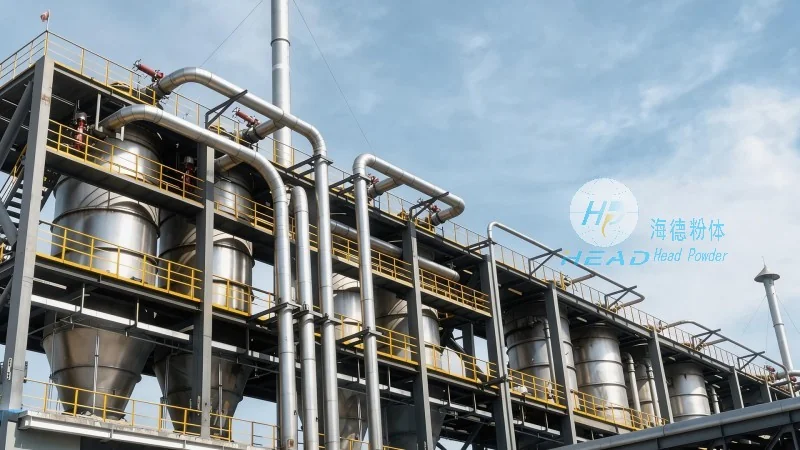
When evaluating pneumatic conveying systems for catalyst powders, several distinct characteristics stand out, each contributing to the overall effectiveness and suitability of the technology. First, the system offers high flexibility in terms of layout and integration with existing industrial facilities. Unlike fixed conveyors, pneumatic systems can be easily reconfigured or expanded to accommodate changes in production volumes or process requirements. This adaptability is particularly valuable in dynamic manufacturing environments where catalyst usage may vary over time.
Second, pneumatic conveying provides excellent control over the material flow rate and distribution. By adjusting the air pressure and flow rate, operators can precisely regulate the amount of catalyst powder being transported, which is crucial for processes that require exact dosing or mixing ratios. This level of control helps minimize material waste and ensures consistent product quality, as even small variations in catalyst loading can impact the performance of downstream processes.
Third, the technology offers superior containment and environmental benefits. Since the entire conveying process occurs within a sealed pipeline system, there is minimal risk of dust emissions or contamination from external sources. This is particularly important for catalyst powders, which may be sensitive to moisture or air exposure and require a controlled environment to maintain their active properties. The sealed system also helps prevent cross-contamination between different batches of catalysts, ensuring product purity and meeting regulatory standards for industrial emissions.
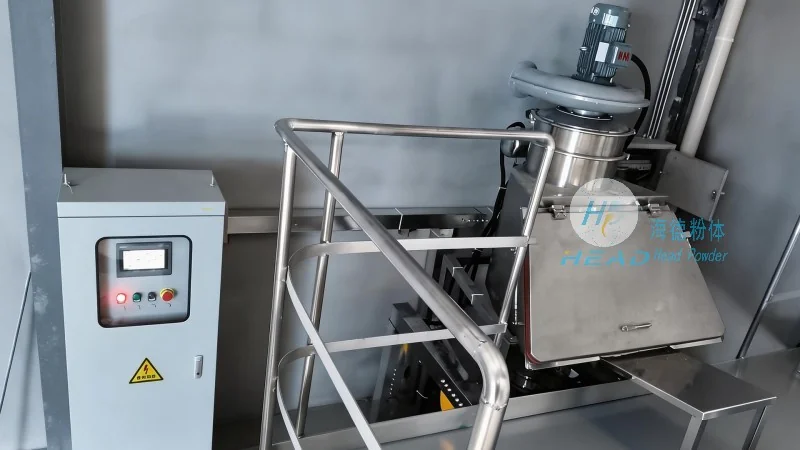
Fourth, pneumatic conveying systems are generally compact and require less floor space compared to traditional bulk handling equipment. This makes them ideal for facilities with limited available area or where space optimization is a priority. The compact design also reduces the overall footprint of the system, making it easier to integrate into existing plant layouts without significant structural modifications.
Fifth, the technology offers improved safety and operational reliability. By eliminating the need for moving parts like belts or buckets, pneumatic systems reduce the risk of mechanical failures or accidents related to equipment wear. Additionally, the sealed nature of the system minimizes the exposure of personnel to dust or hazardous materials, enhancing workplace safety. Regular maintenance and proper system design further contribute to long-term operational reliability, ensuring consistent performance over extended periods.
Application Considerations and Best Practices
When implementing pneumatic conveying systems for catalyst powders, several considerations and best practices are essential to maximize efficiency and minimize operational issues. First, the selection of appropriate equipment materials is critical. Catalyst powders often have specific chemical properties, such as acidity or moisture content, which can cause corrosion or degradation of standard materials. Therefore, using stainless steel or specialized alloys for the conveying line and components is recommended to ensure durability and maintain product purity. Regular inspection and replacement of worn parts are also necessary to prevent leaks or contamination.
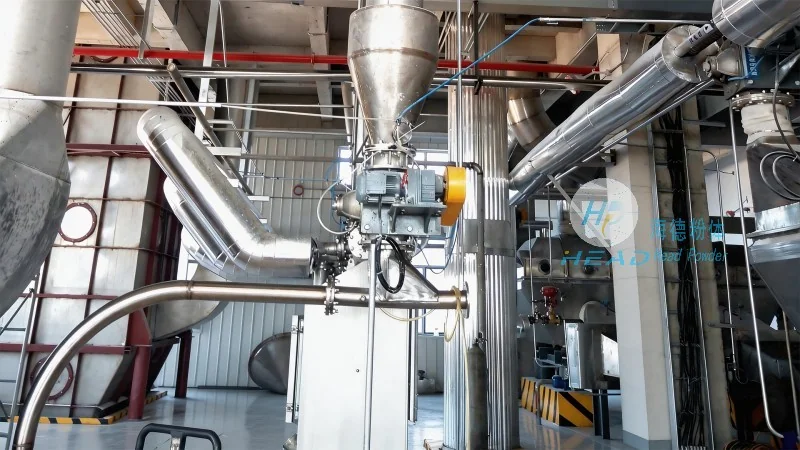
Second, proper system design and sizing are crucial. The conveying line diameter, length, and the number of bends or fittings must be carefully calculated to match the specific characteristics of the catalyst powder, including particle size distribution, bulk density, and flowability. Undersized lines can lead to excessive pressure drops and particle degradation, while oversized lines may result in inefficient energy use and higher operational costs. Consulting with experienced engineers or manufacturers, such as Shandong HeadPowder Engineering Co., Ltd., can help optimize the system design for specific applications.
Third, regular maintenance and monitoring are essential for maintaining system performance. This includes cleaning the conveying line and components to prevent buildup of catalyst residues, checking for air leaks or pressure drops, and inspecting the fan or blower for proper operation. Implementing a preventive maintenance schedule can help identify and address issues before they lead to system failures or product quality issues. Additionally, monitoring the system's performance parameters, such as airflow rate and pressure, can provide early indicators of potential problems and allow for timely adjustments.




