Shandong HeadPowder Engineering Co., Ltd., a leading manufacturer based in Shandong, China, specializes in the design and production of advanced material handling equipment tailored for the lithium-ion battery industry. This equipment is specifically engineered to handle the delicate and precise requirements of processing positive and negative electrode materials, which are critical components in the production of lithium-ion batteries. The following sections will delve into the working principles and key features of such equipment, providing a comprehensive understanding of its functionality and benefits.
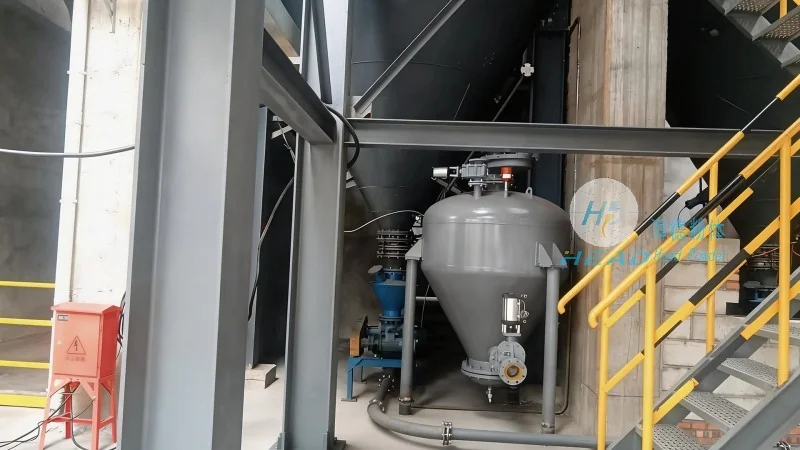
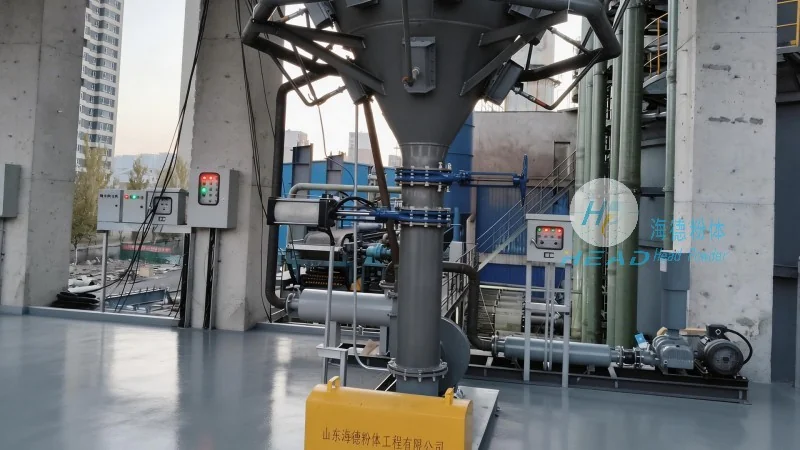
Working Principle of Material Handling Equipment for Lithium-Ion Battery Electrode Materials
The material handling equipment for lithium-ion battery electrode materials operates on a systematic process that ensures efficient and safe transportation of raw materials and finished products. At the core of this equipment is a series of mechanisms designed to handle powders and granules, which are the primary forms of electrode materials. The process typically begins with the feeding of raw materials into the system, where they are then transported through a network of conveyors, hoppers, and storage bins. The equipment utilizes advanced control systems to regulate the flow of materials, ensuring precise dosing and uniform distribution. For example, the positive electrode material, often a mixture of active materials, conductive agents, and binders, is carefully processed to achieve the desired particle size and composition. Similarly, the negative electrode material, which may include graphite or other carbon-based materials, is handled with similar precision to maintain its structural integrity and performance characteristics. The equipment’s working principle also incorporates safety features such as dust extraction systems and enclosed processing areas to minimize environmental contamination and ensure operator safety. Through this integrated approach, the material handling equipment effectively supports the entire production workflow from raw material input to final product output.
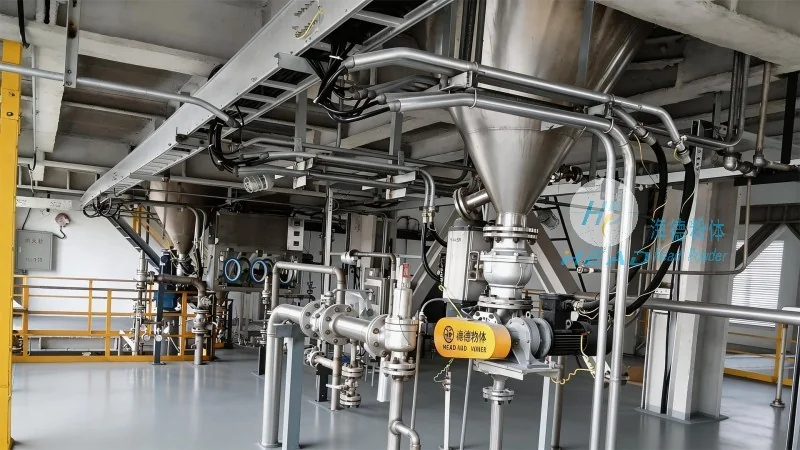
Key Features of Material Handling Equipment for Lithium-Ion Battery Electrode Materials
Shandong HeadPowder Engineering Co., Ltd. offers material handling equipment with several distinctive features that enhance its performance and reliability in the lithium-ion battery manufacturing process. One of the primary features is its high degree of automation, which reduces manual intervention and minimizes the risk of human error. The equipment is equipped with intelligent control systems that can monitor and adjust parameters in real-time, such as material flow rates and temperature, to maintain optimal processing conditions. Another notable feature is the equipment’s adaptability, allowing it to handle a wide range of electrode materials with varying properties, from fine powders to larger granules. This flexibility is crucial in the battery industry, where material specifications can vary significantly depending on the battery type and application. Additionally, the equipment incorporates robust construction materials, such as stainless steel and corrosion-resistant alloys, to withstand the harsh chemical environments commonly encountered in electrode material processing. These materials ensure durability and longevity, reducing maintenance costs and downtime. Furthermore, the equipment is designed with user-friendly interfaces that allow operators to easily monitor and control the system, enhancing operational efficiency. The combination of these features makes the material handling equipment an essential component in modern lithium-ion battery production facilities, contributing to higher productivity and product quality.
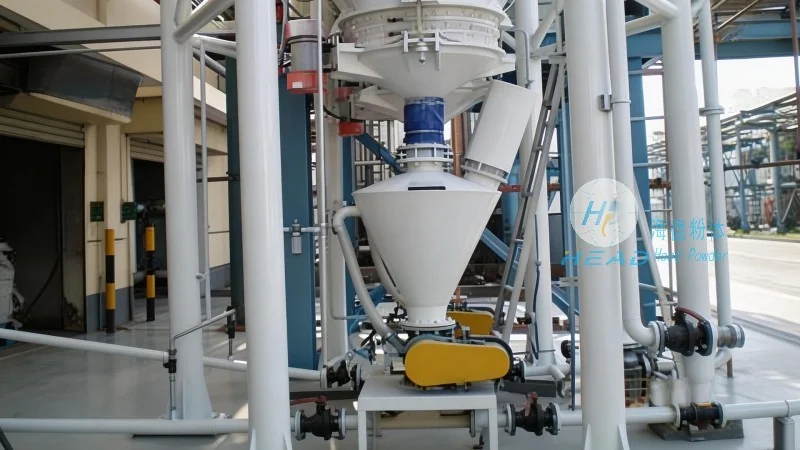
Application and Benefits in Lithium-Ion Battery Manufacturing
The material handling equipment for lithium-ion battery electrode materials plays a vital role in the overall manufacturing process, offering several key benefits that improve operational efficiency and product consistency. By automating the material handling process, the equipment reduces the time and labor required for material transportation, allowing manufacturers to increase production throughput. The precise control of material flow ensures that each batch of electrode material meets the strict quality standards required for lithium-ion batteries, minimizing defects and waste. Additionally, the enclosed design and dust extraction systems help maintain a clean and safe working environment, which is critical in the battery industry where contamination can significantly impact battery performance. The equipment’s adaptability also enables manufacturers to switch between different electrode material types quickly, supporting the production of various battery models and configurations. Overall, the use of this material handling equipment contributes to a more streamlined and efficient production line, ultimately enhancing the competitiveness of lithium-ion battery manufacturers in the global market.




