When it comes to handling copper oxide, selecting the right conveying method is crucial for efficiency, safety, and cost-effectiveness in industrial operations. Shandong HeadPowder Engineering Co., Ltd., a leading provider in the field, offers insights into the most common methods used for transporting this material. Based in Shandong, China, the company specializes in engineering solutions tailored to the unique challenges of copper oxide handling.
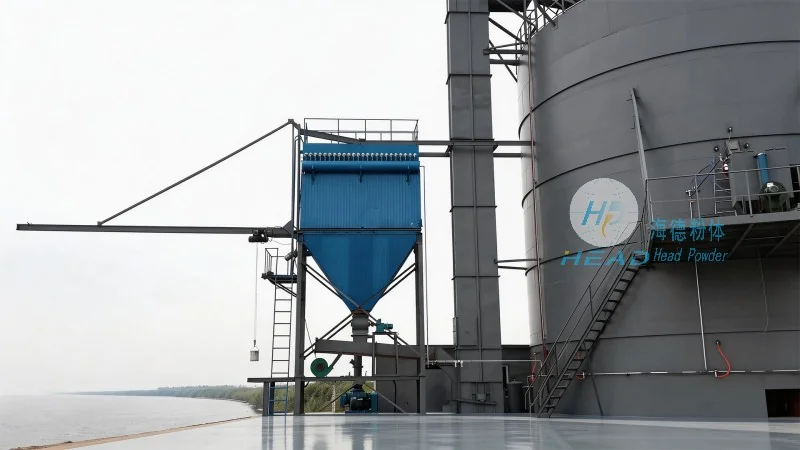
Overview of Copper Oxide Conveying Methods
Copper oxide, with its characteristic reddish-brown color and metallic luster, is a widely used material in various industries, including electronics, ceramics, and chemical manufacturing. The choice of conveying method depends on factors such as material properties, production scale, environmental considerations, and operational requirements. Below is a detailed comparison of the most prevalent copper oxide conveying techniques.
Pneumatic Conveying Systems
Pneumatic conveying, also known as air-pneumatic transport, is a popular method for copper oxide transportation due to its ability to handle fine powders and granules efficiently. This system uses compressed air to move material through a pipeline. There are two main types: dilute-phase and dense-phase pneumatic conveying. Dilute-phase systems are suitable for low to medium flow rates and short distances, while dense-phase systems are ideal for high-capacity and long-distance transport, ensuring minimal material degradation and loss. The system typically includes a hopper, a rotary valve, a venturi tube, and a receiver. The compressed air creates a flow that carries the copper oxide particles through the pipeline, with the air being filtered and recycled to maintain efficiency. Pneumatic conveying offers advantages like reduced dust exposure, lower maintenance costs compared to mechanical systems, and the ability to transport materials over vertical and horizontal distances. However, it requires careful control of air pressure and flow rates to prevent clogging and ensure consistent material movement.
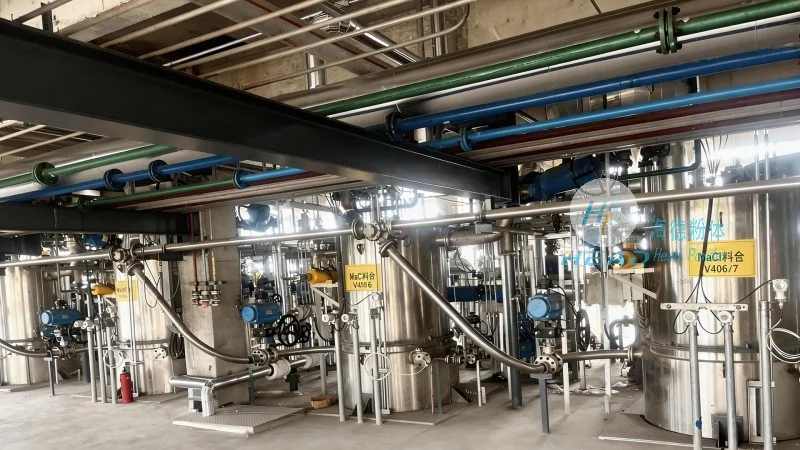
Pipe Conveying (Mechanical Screw Conveyors)
Mechanical screw conveyors, or pipe conveyors, are another common method for copper oxide transport. These systems use a rotating screw (or auger) inside a cylindrical pipe to move material forward. The screw's rotation creates a positive displacement, pushing the material along the pipe. This method is particularly effective for handling bulk quantities of copper oxide and is suitable for both horizontal and slight incline applications. Screw conveyors are known for their simplicity, reliability, and low operational costs. They are easy to install and maintain, with minimal moving parts compared to other systems. The design allows for enclosed transport, which helps in controlling dust and preventing material contamination. However, screw conveyors may experience wear and tear on the screw and pipe over time, especially with abrasive materials like copper oxide. Regular maintenance, such as lubrication and inspection of the screw's condition, is essential to ensure optimal performance. They are also less efficient for vertical lifting compared to some other methods.
Belt Conveyors
Belt conveyors are widely used in copper oxide handling for their ability to transport large volumes of material over long distances. This method involves a continuous loop of a flat belt that moves over rollers or pulleys. The copper oxide is placed on the belt at one end and is carried to the other end by the belt's motion. Belt conveyors are suitable for both bulk and fine copper oxide, and they can be configured with multiple lanes or inclines to handle different operational needs. They are highly efficient for horizontal and slightly inclined transport, with the ability to integrate with other equipment like feeders and elevators. Belt conveyors offer advantages such as high capacity, low power consumption, and minimal material degradation. The enclosed design helps in controlling dust and maintaining material quality. However, they require regular inspection of the belt for wear and tear, and the system may need to be adjusted for different material characteristics, such as moisture content or particle size. Proper alignment and tensioning of the belt are critical to prevent slippage and ensure smooth operation.
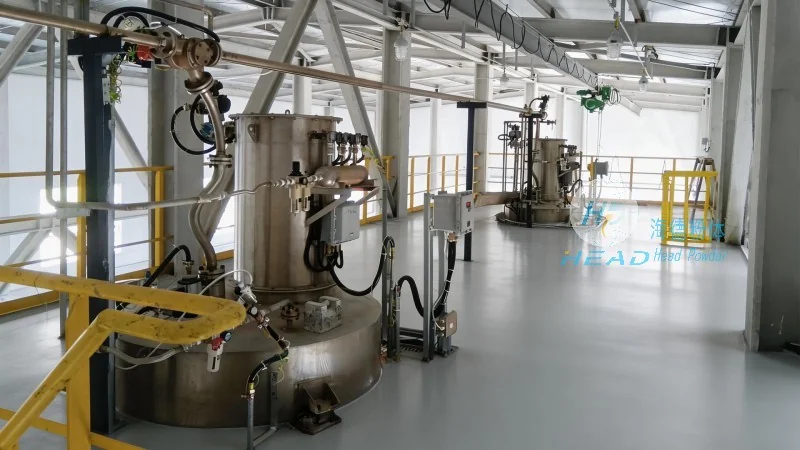
Hydraulic Conveying
Hydraulic conveying systems use a liquid medium, typically water or a specialized fluid, to transport copper oxide. The material is mixed with the liquid and pumped through a pipeline. This method is particularly effective for handling wet or sticky copper oxide, as the liquid helps to keep the material in suspension and prevent clogging. Hydraulic conveying is suitable for long-distance transport and can handle high volumes of material. The system includes a pump, a mixing tank, and a pipeline network. The liquid is recycled to minimize waste and environmental impact. One of the key advantages of hydraulic conveying is its ability to transport materials through complex layouts, including vertical lifts and sharp turns. However, it requires additional equipment for liquid handling and may have higher operational costs due to the need for pumping and filtration. The system also needs regular maintenance to prevent corrosion and ensure the fluid remains clean. Hydraulic conveying is less common for dry copper oxide but is a viable option in specific applications where moisture is beneficial or unavoidable.
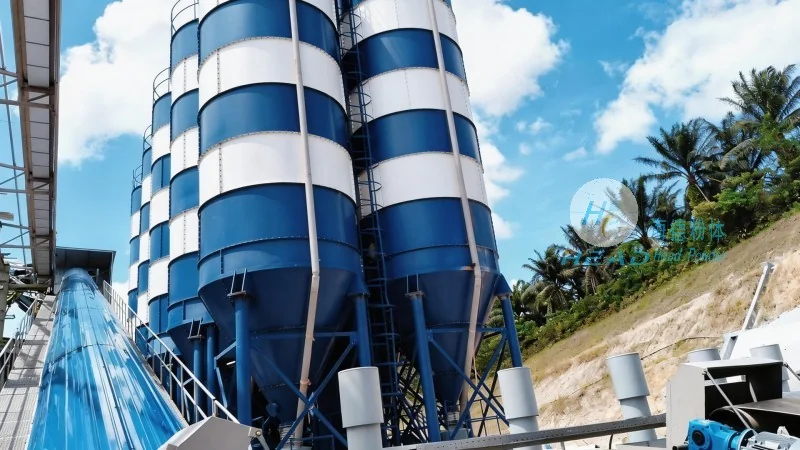
Comparison and Selection Criteria
When choosing a copper oxide conveying method, several factors must be considered to ensure the best fit for the operation. The first is the material's physical properties, such as particle size, moisture content, and abrasiveness. For example, fine copper oxide powders are better suited for pneumatic or hydraulic systems, while larger granules may be handled by screw or belt conveyors. The second factor is the required capacity and distance of transport. For short distances and low volumes, a screw conveyor might be sufficient, whereas long-distance and high-volume transport may require pneumatic or hydraulic systems. Environmental considerations also play a role, as some methods, like pneumatic conveying, can generate dust, which may require additional dust control measures. Cost is another critical factor, with mechanical systems like screw or belt conveyors often being more cost-effective for large-scale operations, while pneumatic systems may have higher initial costs but lower maintenance. The availability of space and the need for enclosed transport also influence the choice, as some systems require more vertical or horizontal space than others. Ultimately, the selection should balance efficiency, cost, and operational requirements to achieve optimal performance in copper oxide handling.
Conclusion
Shandong HeadPowder Engineering Co., Ltd. provides comprehensive solutions for copper oxide conveying, leveraging expertise in various systems to meet the diverse needs of industrial clients. Whether through pneumatic, mechanical, or hydraulic methods, the company ensures that copper oxide is transported safely, efficiently, and cost-effectively. By understanding the characteristics of each conveying method and matching them to specific operational requirements, businesses can enhance productivity and maintain compliance with industry standards. The choice of the right conveying system is a critical step in optimizing copper oxide handling processes, and with the right guidance, companies can achieve reliable and sustainable material transport.




