

Working Principle and Features of Calcium Oxide Powder Pneumatic Conveying Systems
Calcium oxide, commonly known as quicklime, is a versatile industrial material widely used in various sectors such as construction, chemical manufacturing, and environmental treatment. The efficient and reliable transportation of calcium oxide powder from production sites to processing facilities is crucial for maintaining operational efficiency and product quality. Pneumatic conveying systems have emerged as a preferred solution for handling calcium oxide powder due to their ability to transport materials in a dust-free, controlled manner. This article explores the working principle and key features of calcium oxide powder pneumatic conveying systems, highlighting the expertise of Shandong HeadPowder Engineering Co., Ltd. in providing tailored solutions for industrial material handling.
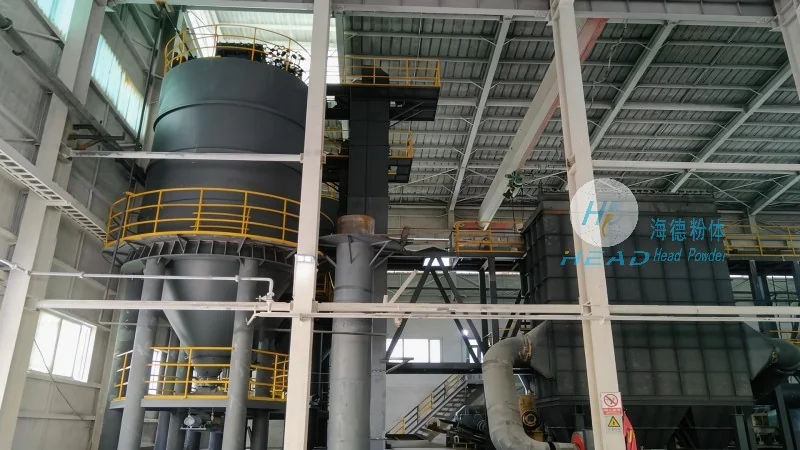
Understanding the Working Principle of Calcium Oxide Powder Pneumatic Conveying Systems
The core of a calcium oxide powder pneumatic conveying system lies in the transfer of powder particles through a pressurized or vacuum environment using a carrier gas, typically air. The system operates on the principle of creating a flow of gas that entrains the powder particles, transporting them through a network of pipes. There are two primary types of pneumatic conveying systems used for calcium oxide powder: dilute-phase and dense-phase systems. Dilute-phase systems, often used for longer distances or lower particle concentrations, rely on high-velocity air to suspend and move the powder. In contrast, dense-phase systems use lower air velocities and higher powder concentrations, which results in a more controlled and gentle transport process, minimizing particle degradation and equipment wear. The working principle involves several key components: a feeding device to introduce the powder into the system, a conveying line (pipes) to transport the material, a separation unit to separate the powder from the gas, and a gas handling system to manage the exhaust. The process begins with the powder being fed into the system, where it is mixed with the carrier gas. The gas flow then carries the powder particles through the pipes, and at the receiving end, a separator (such as a cyclone or bag filter) separates the powder from the gas, allowing the powder to be collected and the gas to be either vented or recycled. The efficiency of the system depends on factors such as the particle size, moisture content, and density of the calcium oxide powder, as well as the design of the conveying line and the pressure or vacuum level used.
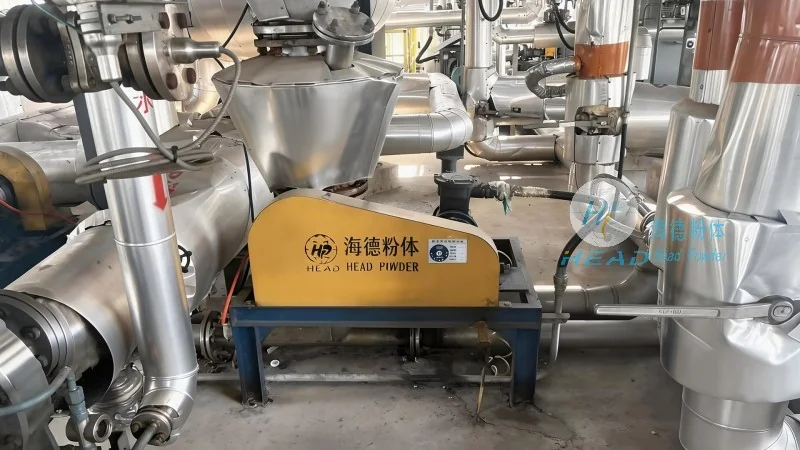
Key Features of Calcium Oxide Powder Pneumatic Conveying Systems
Calcium oxide powder pneumatic conveying systems offer several advantages that make them ideal for industrial applications. One of the most significant features is their ability to transport materials in a dust-free environment, which is critical for maintaining workplace safety and product purity. Unlike traditional mechanical conveying methods, such as screw conveyors or bucket elevators, pneumatic systems eliminate the need for direct contact between the powder and the conveying equipment, reducing the risk of contamination and material degradation. Another key feature is the high efficiency and flexibility of the system. Pneumatic conveying can handle a wide range of particle sizes and flow rates, making it suitable for various calcium oxide powder applications. The system can be easily scaled to accommodate changes in production volume, and the conveying line can be configured to fit specific plant layouts. Additionally, pneumatic systems provide better control over the flow rate and pressure, allowing for precise control of the material transfer process. This level of control is particularly important in processes where the quality of the calcium oxide powder is critical, such as in the production of cement, steel, or environmental treatment products. The environmental benefits of pneumatic conveying systems are also notable. By eliminating the need for open-air handling, these systems reduce dust emissions and improve air quality in the workplace. This is especially important for calcium oxide powder, which can be a respiratory irritant if inhaled. Furthermore, the ability to recycle the carrier gas reduces energy consumption and operating costs, making the system more sustainable and cost-effective. The durability and low maintenance requirements of pneumatic conveying systems are also important features. The components, such as pipes and separators, are designed to withstand the abrasive nature of calcium oxide powder, reducing the need for frequent replacements and maintenance. This results in lower long-term operational costs and increased system reliability. The automation capabilities of modern pneumatic conveying systems are another key feature. Advanced control systems can monitor and adjust the flow rate, pressure, and other parameters in real-time, ensuring optimal performance and minimizing downtime. This level of automation enhances operational efficiency and allows for better integration with other industrial processes. Overall, the combination of dust-free operation, high efficiency, flexibility, and environmental benefits makes calcium oxide powder pneumatic conveying systems a preferred choice for industrial applications.
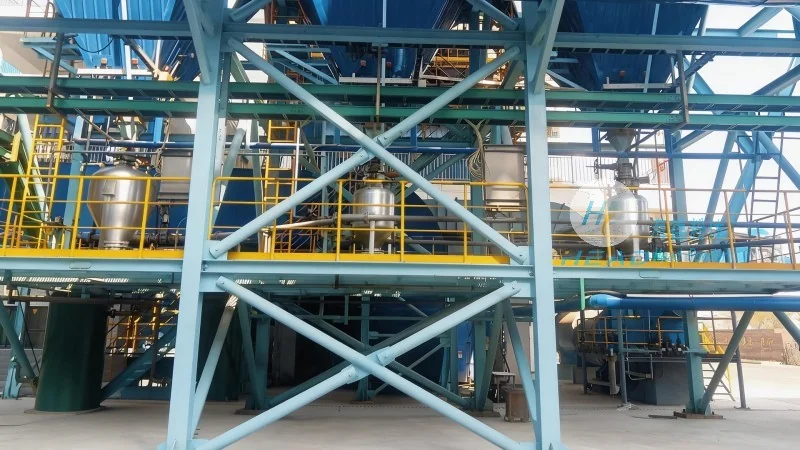
Expertise of Shandong HeadPowder Engineering Co., Ltd. in Pneumatic Conveying Solutions
Shandong HeadPowder Engineering Co., Ltd., a leading provider of industrial material handling solutions, specializes in designing and manufacturing calcium oxide powder pneumatic conveying systems tailored to the specific needs of clients. With years of experience in the industry, the company has developed a deep understanding of the unique challenges associated with handling calcium oxide powder, such as its high reactivity and abrasive properties. HeadPowder engineers work closely with clients to assess their operational requirements, including production capacity, plant layout, and material characteristics, to design a customized pneumatic conveying system that maximizes efficiency and minimizes costs. The company’s expertise extends to the selection of appropriate components, such as high-quality pipes, efficient separators, and reliable feeding devices, ensuring that the system operates smoothly and reliably. HeadPowder also provides comprehensive after-sales support, including installation, commissioning, and maintenance services, to ensure that clients can maximize the performance of their pneumatic conveying systems. The company’s commitment to quality and customer satisfaction has earned it a reputation as a trusted partner in the industry. By leveraging advanced technology and a customer-centric approach, Shandong HeadPowder Engineering Co., Ltd. delivers pneumatic conveying solutions that meet the highest standards of performance and reliability. Whether for new installations or system upgrades, HeadPowder’s expertise in calcium oxide powder pneumatic conveying systems ensures that clients receive a solution that is tailored to their specific needs and operational goals. The company’s focus on innovation and continuous improvement ensures that its products remain at the forefront of industrial material handling technology, providing clients with a competitive edge in their respective industries.