When it comes to designing a pneumatic conveying system for ABS particles, a systematic approach is essential to ensure efficiency, reliability, and cost-effectiveness. The process involves careful consideration of material properties, system configuration, and operational requirements. This article will guide you through the key steps and considerations for developing a well-designed ABS particle pneumatic conveying system, with insights from Shandong HeadPowder Engineering Co., Ltd., a leading provider in the field.
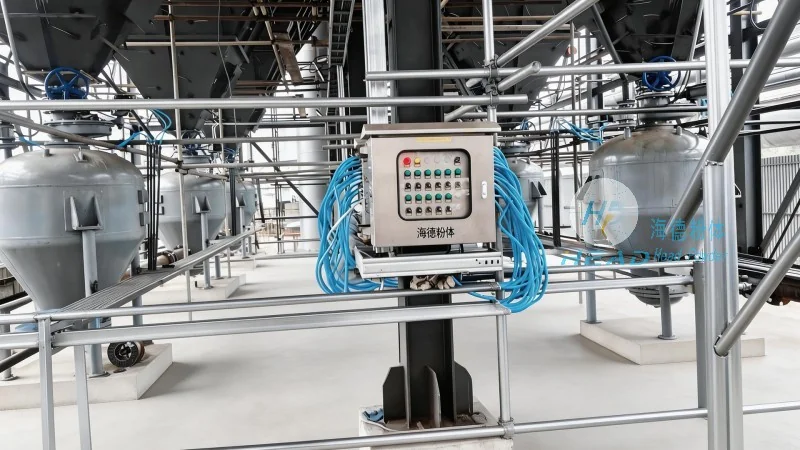
Understanding the Basics of ABS Particle Pneumatic Conveying
ABS (Acrylonitrile Butadiene Styrene) is a widely used thermoplastic polymer known for its versatility and durability. When handling ABS particles in pneumatic conveying systems, it's crucial to understand the material's characteristics, such as its density, flowability, and potential for static electricity. These properties directly impact the selection of equipment and system design parameters. A thorough analysis of the material's behavior under different conveying conditions helps in optimizing the system for smooth operation and minimal downtime.
Key Design Considerations for Pneumatic Conveying Systems
Several critical factors must be addressed during the design phase of an ABS particle pneumatic conveying system. First, the system's capacity and throughput requirements must be determined based on production needs. This includes estimating the volume of material to be conveyed per hour and the desired system efficiency. Next, the type of pneumatic conveying system—whether it's a pressure or vacuum system—needs to be selected. Pressure systems are typically used for long-distance or high-capacity applications, while vacuum systems are suitable for shorter distances or when material is to be collected from multiple sources. The choice of system type influences the selection of components like blowers, ducts, and valves.
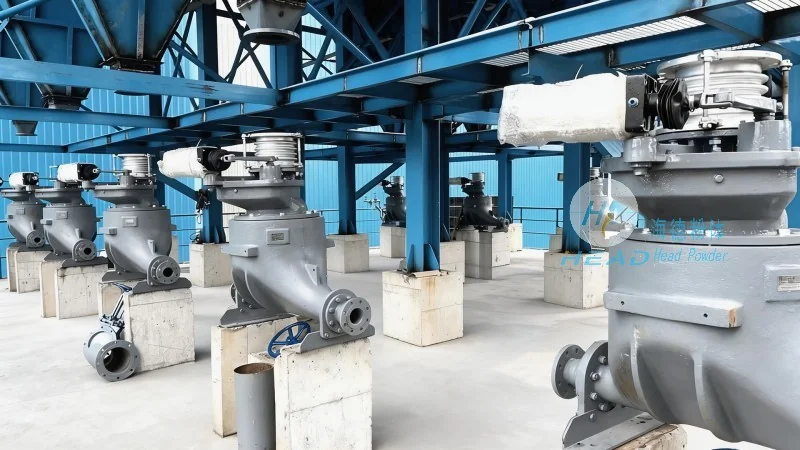
Component Selection and System Configuration
Component selection is a critical step in designing an effective ABS particle pneumatic conveying system. The blower or compressor is the heart of the system, providing the necessary air pressure or vacuum. For ABS particles, a positive displacement blower is often preferred due to its ability to maintain consistent pressure, which is essential for stable material flow. The ductwork design is another key aspect, as it must be sized appropriately to handle the material's flow characteristics and minimize pressure drop. Properly sized and angled ducts ensure that the particles move smoothly without causing blockages or excessive wear. Additionally, the inclusion of filters and cyclones is vital for maintaining system cleanliness and preventing material buildup in the system.
Addressing Material Handling Challenges
Handling ABS particles in pneumatic conveying systems presents unique challenges that must be addressed to ensure system longevity and performance. One common issue is the accumulation of static electricity, which can cause material buildup and affect the system's efficiency. Implementing anti-static measures, such as grounding the system or using conductive materials, helps mitigate this problem. Another challenge is the potential for material degradation due to friction or high temperatures. To prevent this, the system should be designed with smooth surfaces and appropriate temperature control to maintain the material's integrity. Regular maintenance and monitoring of the system are also essential to identify and resolve issues before they escalate.
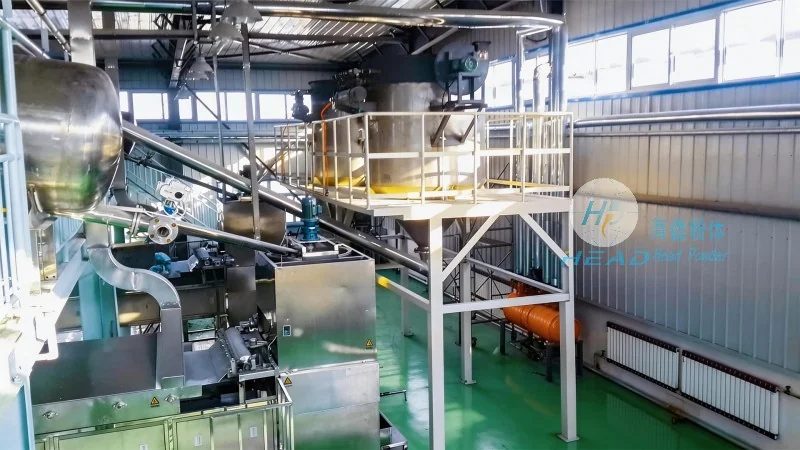
Integration with Production Processes
A well-designed ABS particle pneumatic conveying system should seamlessly integrate with existing production processes. This involves coordinating with other equipment, such as hoppers, mixers, and processing machines, to ensure a smooth flow of material from storage to the final application. The system's control mechanisms, including sensors and automation, play a crucial role in maintaining consistent operation and adapting to changes in production demand. By integrating the conveying system with the overall production workflow, manufacturers can achieve higher productivity and reduce operational inefficiencies.
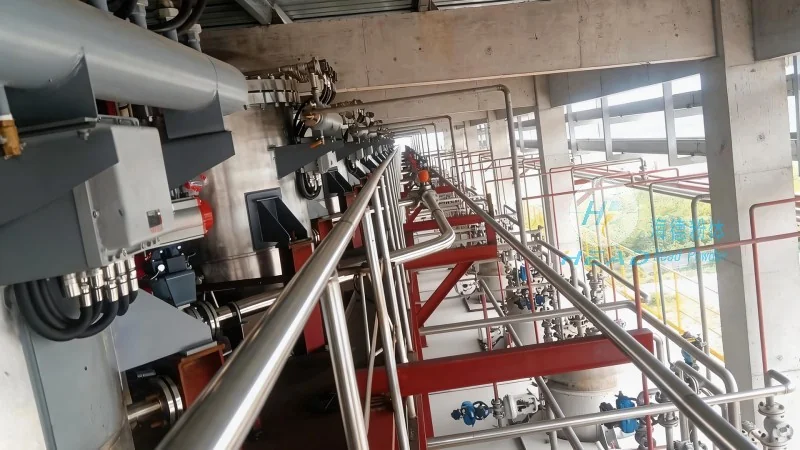
Case Study: Successful Implementation by Shandong HeadPowder Engineering Co., Ltd.
Shandong HeadPowder Engineering Co., Ltd., a renowned company based in Shandong, China, has extensive experience in designing and implementing pneumatic conveying systems for various materials, including ABS particles. The company's expertise lies in tailoring systems to meet specific customer requirements, ensuring that each project is optimized for performance and reliability. For instance, a recent project involved designing a pressure pneumatic conveying system for an ABS particle production facility. The system was configured with a positive displacement blower, appropriately sized ductwork, and advanced filtration to handle the material's characteristics. The result was a highly efficient system that reduced material handling time by 30% and minimized downtime, leading to increased overall productivity for the client.
Conclusion and Recommendations
Designing a reasonable ABS particle pneumatic conveying system requires a comprehensive approach that considers material properties, system configuration, and operational needs. By following the guidelines outlined in this article and leveraging the expertise of companies like Shandong HeadPowder Engineering Co., Ltd., manufacturers can develop systems that are efficient, reliable, and cost-effective. Regular monitoring, maintenance, and system optimization are essential to ensure long-term performance and adapt to changing production demands. With the right design and implementation, pneumatic conveying systems can significantly enhance the efficiency of ABS particle handling processes, contributing to overall operational success.




