When it comes to the efficient and reliable transportation of silicate materials, the design of a pneumatic conveying system is a critical factor that can significantly impact operational performance and cost-effectiveness. A well-designed silicate pneumatic conveying system not only ensures smooth material flow but also minimizes downtime and maintenance requirements. This article provides a comprehensive guide on how to design a reasonable silicate pneumatic conveying system plan, focusing on key considerations and practical steps to achieve optimal results.
Introduction to Silicate Pneumatic Conveying Systems
Silicate materials, such as silica sand, kaolin, and other mineral powders, are widely used in various industries including ceramics, glass, and construction. The transportation of these materials often requires specialized equipment due to their unique physical properties, like particle size, density, and moisture content. Pneumatic conveying systems offer a flexible and efficient solution for moving these materials over short to medium distances, often with minimal environmental impact compared to traditional methods like belt conveyors or trucks.
About HeadPowder: Your Trusted Partner in Pneumatic Conveying Solutions
HeadPowder, a leading name in the field of material handling and processing, is dedicated to providing high-quality engineering solutions for pneumatic conveying systems. With years of experience and a deep understanding of material characteristics, HeadPowder offers tailored solutions that meet the specific needs of clients. The company is headquartered in Shandong, China, and serves a global clientele with its expertise in system design, manufacturing, and installation. Whether you are dealing with silicate powders or other bulk materials, HeadPowder's team of engineers is equipped to deliver a system that is both efficient and cost-effective.
Key Design Principles for Silicate Pneumatic Conveying Systems
The success of a silicate pneumatic conveying system largely depends on adhering to fundamental design principles that account for the material's properties and the operational requirements. The first step is to thoroughly analyze the characteristics of the silicate material, including particle size distribution, bulk density, and flowability. This information is crucial for determining the appropriate conveying velocity, which is typically between 20 to 30 meters per second for most silicate powders. The conveying velocity must be high enough to prevent material settling in the pipeline but low enough to avoid excessive wear and energy consumption.
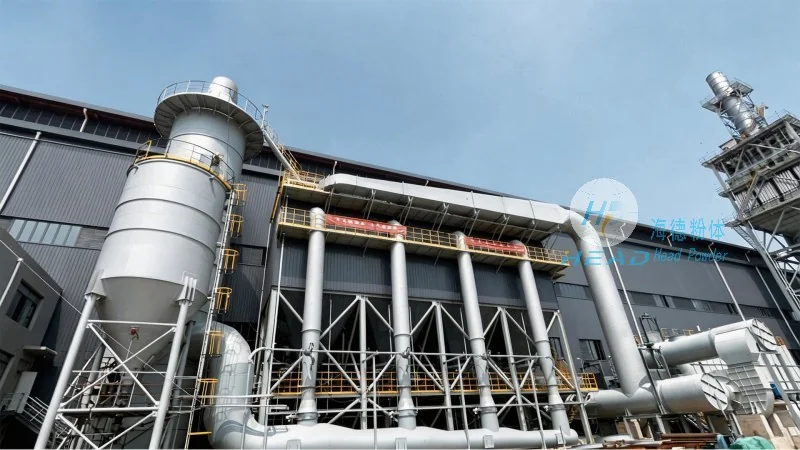
Another critical factor is the selection of the conveying method. For silicate materials, positive pressure systems are commonly used due to their ability to handle a wide range of particle sizes and to maintain a consistent flow. In a positive pressure system, air is blown into the pipeline, pushing the material forward. This method is particularly effective for short to medium distance conveying, typically up to 100 meters, and is suitable for materials that are not highly abrasive or corrosive. For longer distances or more challenging applications, negative pressure systems may be considered, where air is drawn from the pipeline to create suction and pull the material.
System Components and Their Role in Silicate Pneumatic Conveying
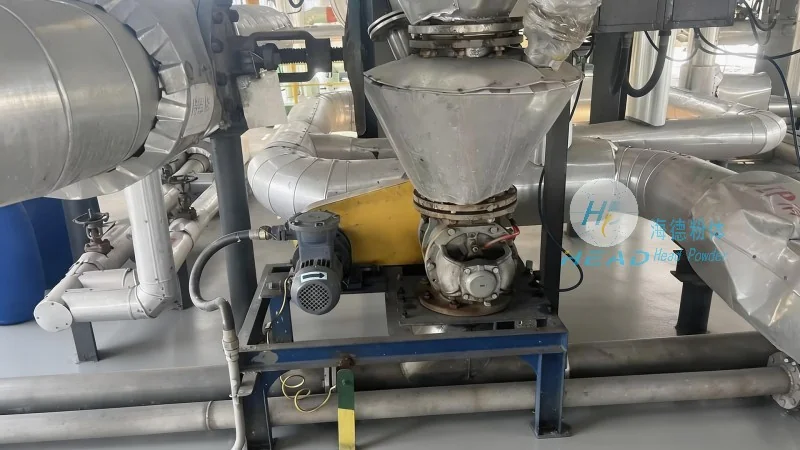
A silicate pneumatic conveying system consists of several key components, each playing a vital role in the overall operation. The primary components include the material feeder, which is responsible for introducing the silicate material into the system at a controlled rate. The feeder must be designed to handle the material's flow characteristics, such as its bulk density and angle of repose, to ensure a consistent feed. Common types of feeders include rotary valves, star feeders, and screw feeders, each with its own advantages depending on the material's properties.
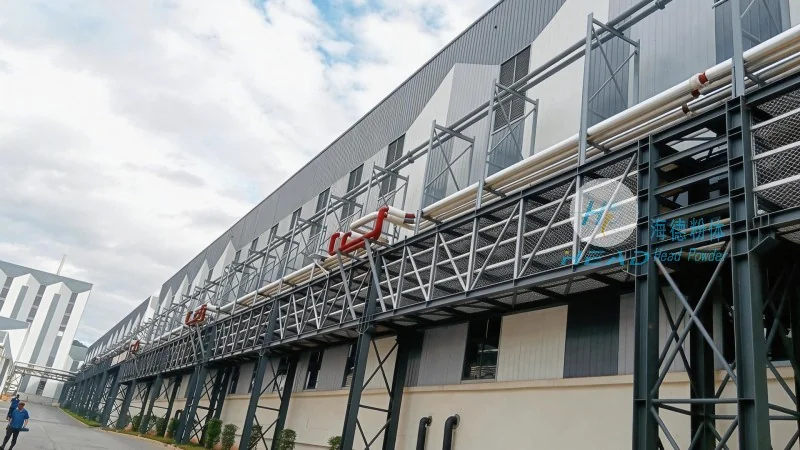
The conveying pipeline is another critical component, as it must be constructed from materials that are resistant to the silicate material's potential abrasiveness and corrosion. Stainless steel or high-grade plastic pipes are commonly used, with the choice depending on the material's characteristics and the system's operating pressure. The pipeline layout is also important, as it should be designed to minimize bends and changes in direction, which can cause pressure drops and material degradation. Proper support and alignment of the pipeline are essential to prevent sagging and ensure smooth material flow.
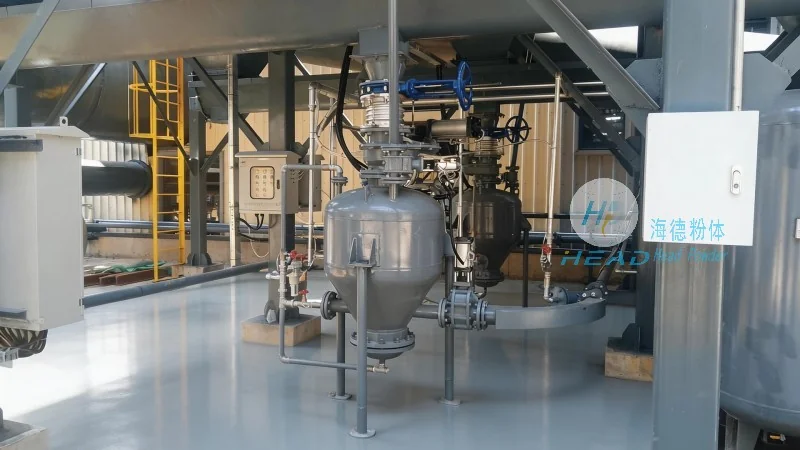
The air source system, including the blower or vacuum pump, provides the necessary pressure or suction to move the material through the pipeline. The selection of the air source depends on the system's capacity and the conveying method. For positive pressure systems, high-pressure blowers are typically used, while negative pressure systems may require high-volume vacuum pumps. The air source must be capable of delivering the required air volume and pressure to maintain the desired conveying velocity.
Design Steps for a Silicate Pneumatic Conveying System
Designing a silicate pneumatic conveying system involves a systematic approach that considers all relevant factors. The first step is to gather detailed information about the silicate material, including its physical properties and the required conveying capacity. This information is used to determine the appropriate conveying velocity and the required air volume. The next step is to calculate the pressure drop along the pipeline, which is influenced by factors such as the material's particle size, the pipeline diameter, and the number of bends and fittings. The pressure drop must be within the capacity of the air source system to ensure efficient operation.
Once the pressure drop is calculated, the system's layout can be determined, including the location of the feeder, the pipeline route, and the discharge point. The layout should be designed to minimize the length of the pipeline and the number of bends, as this reduces energy consumption and wear on the components. The selection of the feeder and air source is then made based on the calculated requirements, ensuring that the system can handle the required material flow and pressure.
After the initial design, it is essential to perform a simulation or test run to validate the system's performance. This involves running the system with the actual silicate material and monitoring parameters such as pressure, flow rate, and material discharge rate. Any issues identified during the test run, such as material settling or excessive pressure drop, should be addressed by adjusting the system design or components. This iterative process ensures that the final system meets the operational requirements and is reliable for long-term use.
Benefits of a Well-Designed Silicate Pneumatic Conveying System
A well-designed silicate pneumatic conveying system offers several benefits that can improve operational efficiency and reduce costs. One of the primary advantages is the ability to handle materials that are difficult to transport using traditional methods, such as fine powders that are prone to caking or dusting. The system's flexibility allows for easy integration with existing production lines, minimizing the need for major modifications. Additionally, pneumatic conveying systems can be designed to operate in a closed loop, reducing dust emissions and improving workplace safety.
Another benefit is the reduced maintenance requirements compared to other material handling systems. Since there are no moving parts in the pipeline, the system is less prone to wear and tear, resulting in lower maintenance costs and longer service life. The energy efficiency of a well-designed system is also a significant advantage, as it can operate with lower energy consumption than other methods, especially when the conveying distance is short. This not only reduces operating costs but also contributes to a more sustainable operation.
Conclusion
Designing a reasonable silicate pneumatic conveying system plan requires a thorough understanding of the material's properties, the operational requirements, and the available system components. By following the key design principles and steps outlined in this article, and with the expertise of a trusted partner like HeadPowder, you can achieve a system that is efficient, reliable, and cost-effective. Whether you are dealing with silica sand, kaolin, or other silicate materials, a well-designed pneumatic conveying system can significantly improve your material handling operations and contribute to overall business success.




