HeadPowder, a leading engineering company based in Shandong, China, specializes in the design, manufacturing, and installation of advanced pneumatic conveying systems for various industrial applications. This article provides an in-depth exploration of the working principle and key features of a sulfur pneumatic conveying system, highlighting its efficiency, reliability, and suitability for handling sulfur materials.
Introduction to Sulfur Pneumatic Conveying Systems
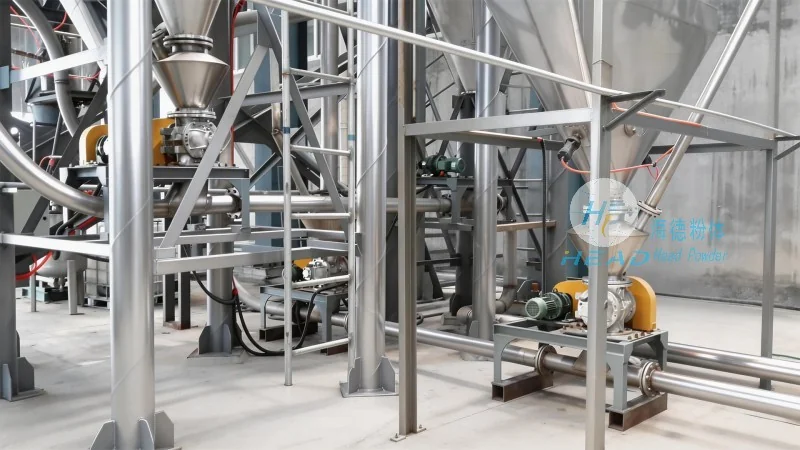
Sulfur is a widely used industrial material in sectors such as chemical manufacturing, fertilizer production, and energy generation. Traditional methods of transporting sulfur, like belt conveyors or trucks, often face challenges related to material handling, dust control, and operational safety. Pneumatic conveying systems offer a more efficient and safer alternative by utilizing air pressure to transport bulk materials like sulfur through pipelines. The system is designed to handle sulfur in its various forms, including granular, powdered, or molten states, ensuring consistent and reliable material transfer.
Working Principle of a Sulfur Pneumatic Conveying System
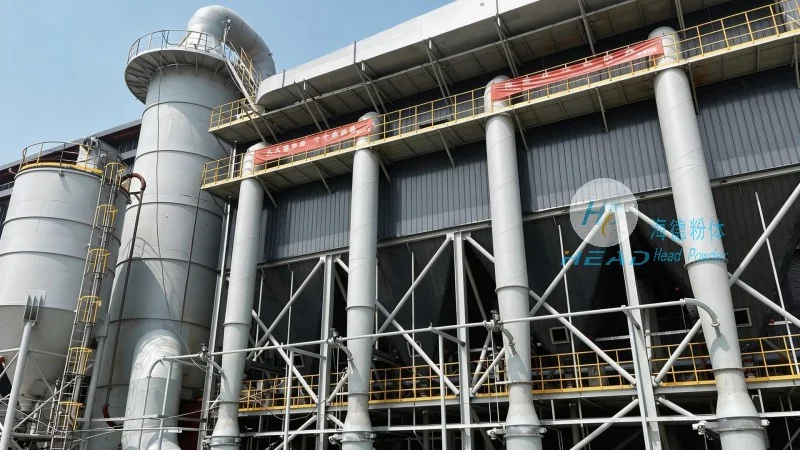
The core working principle of a sulfur pneumatic conveying system involves the use of compressed air to move sulfur particles through a network of pipes. The system typically consists of several key components, including a hopper for material storage, a rotary valve for controlled material discharge, a conveying line with appropriate pipe diameter and length, and a receiver for material deposition. The process begins with sulfur being fed into the hopper from a storage silo or batch container. The rotary valve then regulates the flow of sulfur into the conveying line, ensuring a steady and controlled feed rate. Compressed air is introduced at the inlet of the conveying line, creating a pressure differential that propels the sulfur particles forward. As the air and sulfur mixture travels through the pipeline, the air velocity is maintained at a level sufficient to keep the particles suspended and prevent clogging. The conveying line may include bends, expansions, or special fittings to accommodate changes in direction or elevation, all designed to minimize pressure loss and maintain efficient material transport. The system terminates at a receiver, where the sulfur is deposited into a storage tank or processing unit. The air, now carrying fine sulfur particles, is then filtered and recycled back into the system, ensuring minimal material loss and environmental compliance.
Key Features and Advantages of Sulfur Pneumatic Conveying Systems
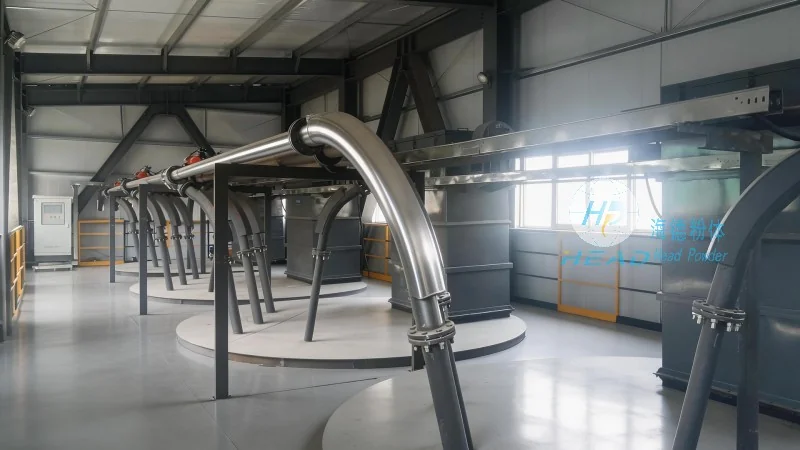
HeadPowder's sulfur pneumatic conveying systems are engineered with several distinct features that enhance performance and operational efficiency. One of the primary advantages is the ability to handle sulfur in various physical states, from granular to powdered, without the need for additional processing steps. The system's design minimizes material degradation and dust generation, which is crucial for maintaining product quality and ensuring workplace safety. The use of closed pipelines eliminates the risk of environmental contamination and reduces the need for dust suppression systems, contributing to a cleaner and more sustainable operation. Additionally, the system offers high throughput capabilities, allowing for the rapid and continuous transfer of large volumes of sulfur, which is essential for meeting the demands of modern industrial processes. The modular design of the system enables easy integration with existing infrastructure, reducing installation time and costs. Maintenance is also simplified due to the use of standard components and minimal moving parts, ensuring long-term reliability and reduced downtime. The system's energy efficiency is another notable feature, as it optimizes air usage and minimizes energy consumption compared to traditional bulk handling methods. This not only reduces operational costs but also aligns with environmental sustainability goals.
Application and Operational Considerations
Sulfur pneumatic conveying systems are widely used in industrial settings where the safe and efficient transfer of bulk sulfur is critical. These systems are commonly employed in sulfur production facilities, where molten sulfur is transported from reactors to storage tanks or processing units. In fertilizer manufacturing, the system is used to convey powdered sulfur for blending with other nutrients. The system's ability to handle both dry and wet sulfur, as well as its resistance to corrosion and chemical reactions, makes it suitable for a variety of applications. Operational considerations include the selection of appropriate air pressure and flow rates to ensure optimal material transport, as well as the maintenance of pipeline cleanliness to prevent clogging. Regular inspection and cleaning of the conveying line and components are essential to maintain system performance and extend the lifespan of the equipment. HeadPowder's expertise in customizing pneumatic conveying systems ensures that clients receive solutions tailored to their specific operational requirements, ensuring maximum efficiency and reliability.
Conclusion
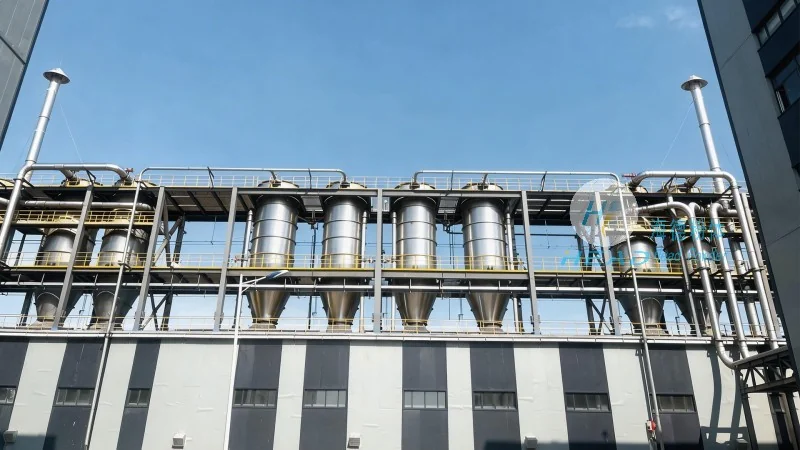
In conclusion, the sulfur pneumatic conveying system developed by Shandong HeadPowder Engineering Co., Ltd. represents a sophisticated and efficient solution for bulk material handling in industrial applications. By leveraging the principles of pneumatic transport, the system offers numerous advantages, including high throughput, minimal material loss, and improved safety and environmental performance. The company's commitment to quality engineering and customer-centric solutions ensures that clients receive systems that meet their specific needs and contribute to their operational success. With its headquarters in Shandong, China, HeadPowder continues to be a trusted partner in providing advanced material handling solutions for the global industrial sector.




