HeadPowder, a leading engineering company based in Shandong, China, specializes in the design, manufacturing, and installation of advanced pneumatic conveying systems for bulk powder handling. This article provides a detailed overview of the operation process and working principle of a salt powder pneumatic conveying line, highlighting the key components, operational steps, and technical aspects that ensure efficient and reliable material transport.
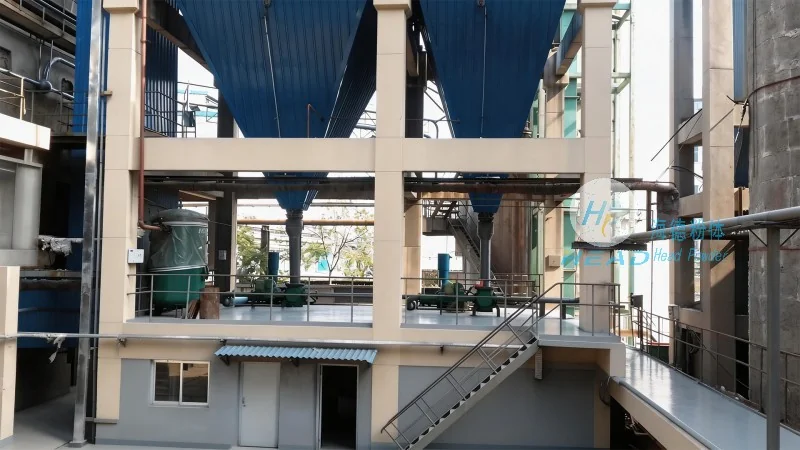
Key Components of the Salt Powder Pneumatic Conveying System
The salt powder pneumatic conveying line typically consists of several critical components that work in tandem to move the material from the source to the destination. These components include the hopper, feeder, air compressor, conveying pipe, and receiver. The hopper is used to store the salt powder, while the feeder regulates the flow rate of the material into the system. The air compressor generates the necessary air pressure to create the conveying airflow. The conveying pipe transports the salt powder particles along with the air stream, and the receiver collects the material at the end of the line.
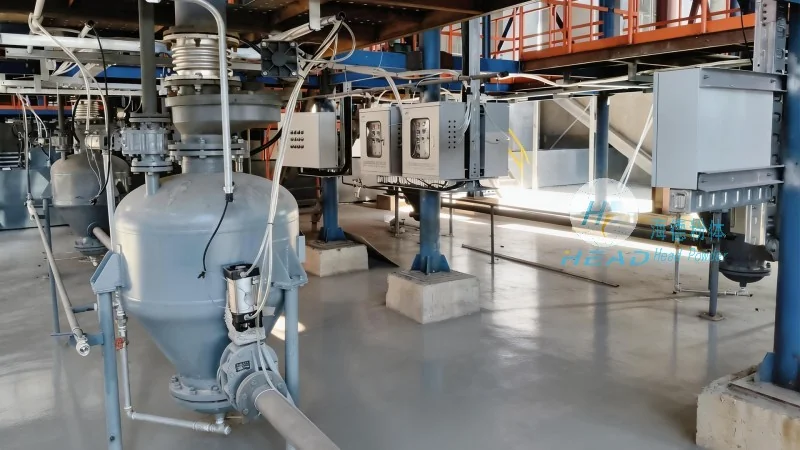
Working Principle of the Pneumatic Conveying Process
The working principle of the salt powder pneumatic conveying line is based on the use of compressed air to transport the powder. When the feeder releases the salt powder into the conveying pipe, the air compressor supplies high-pressure air. This air creates a flow that lifts and moves the powder particles through the pipe. The velocity of the air is crucial; it must be sufficient to overcome the gravitational force and the friction between the particles and the pipe walls. The system can operate in either positive or negative pressure modes, depending on the application requirements. In positive pressure systems, the conveying pipe is pressurized, while in negative pressure systems, the receiver is under vacuum. For salt powder, a positive pressure system is often preferred to prevent moisture absorption and maintain the quality of the material.
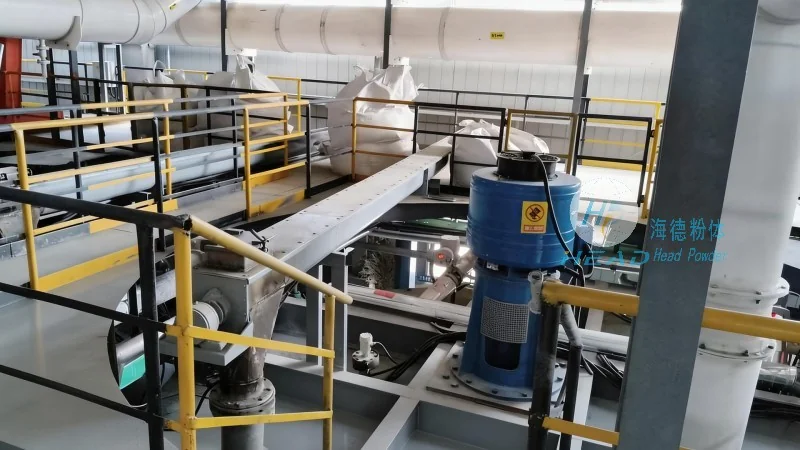
Operation Process of the Salt Powder Pneumatic Conveying Line
The operation process of the salt powder pneumatic conveying line involves several sequential steps to ensure smooth and continuous material transport. First, the hopper is filled with the salt powder, and the feeder is adjusted to the desired flow rate. The air compressor is then started, and the air pressure is set to the appropriate level. The feeder releases the salt powder into the conveying pipe, and the compressed air mixes with the powder, creating a slurry-like mixture that travels through the pipe. The mixture reaches the receiver, where the air is separated from the powder, and the powder is collected in the receiver. The air is then discharged to the atmosphere or recycled back to the system. The entire process is automated, with sensors and control systems monitoring the flow rate, pressure, and temperature to maintain optimal performance.
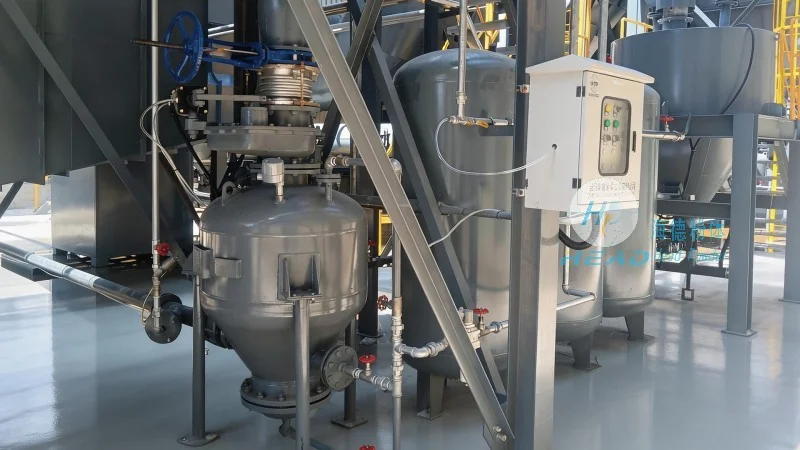
Benefits and Applications of Salt Powder Pneumatic Conveying Lines
Salt powder pneumatic conveying lines offer several advantages over traditional mechanical conveying methods. They are ideal for handling fine and dusty powders like salt, as they prevent product contamination and minimize dust emissions. The system is also flexible, allowing for changes in the conveying distance and capacity without major modifications. Additionally, the pneumatic conveying line is suitable for applications where the material needs to be transported over long distances or through complex layouts. HeadPowder's expertise in designing and manufacturing these systems ensures that clients receive customized solutions tailored to their specific needs, whether for industrial salt processing, food processing, or other applications requiring efficient powder handling.




