Shandong HeadPowder Engineering Co., Ltd., a leading provider in the field of powder handling technology, specializes in the design, calculation, and selection of equipment for pigment pneumatic conveying systems. With a focus on precision engineering and efficient material transport, the company delivers tailored solutions that meet the unique demands of the pigment industry. This article explores the critical aspects of pigment pneumatic conveying, including design calculations and equipment selection, while highlighting the expertise of HeadPowder in optimizing material handling processes.
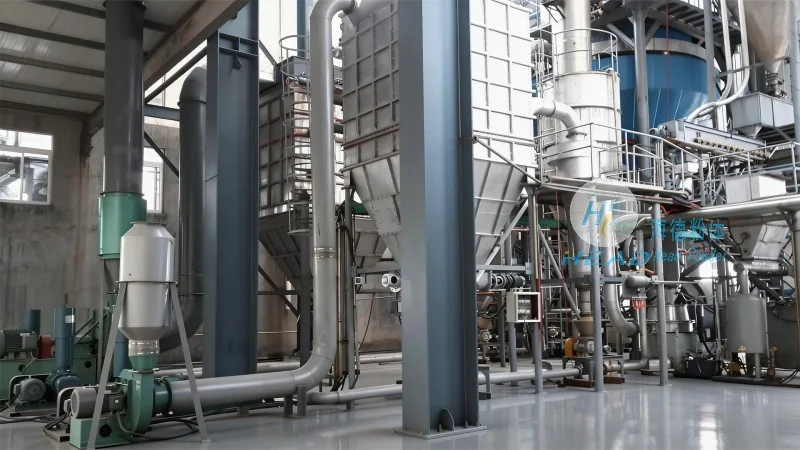
Understanding Pigment Pneumatic Conveying Systems
Pigment pneumatic conveying is a method used to transport dry powders, such as pigments, through a pipeline using compressed air or other gas. This technology offers numerous advantages over traditional mechanical conveying systems, including reduced equipment wear, lower maintenance costs, and the ability to handle a wide range of particle sizes and densities. The effectiveness of a pneumatic conveying system depends heavily on accurate design calculations and appropriate equipment selection, which are essential for ensuring reliable operation and optimal performance.
Key Design Calculations for Pigment Pneumatic Conveying
Designing a successful pigment pneumatic conveying system requires a thorough understanding of several key calculations. These calculations help determine the necessary air flow rates, pressure drops, and equipment dimensions to achieve efficient material transport. The primary factors considered in these calculations include the physical properties of the pigment, such as particle size distribution, bulk density, and moisture content, as well as the desired conveying distance and system layout. By carefully analyzing these parameters, engineers can develop a system that minimizes energy consumption while maximizing throughput.
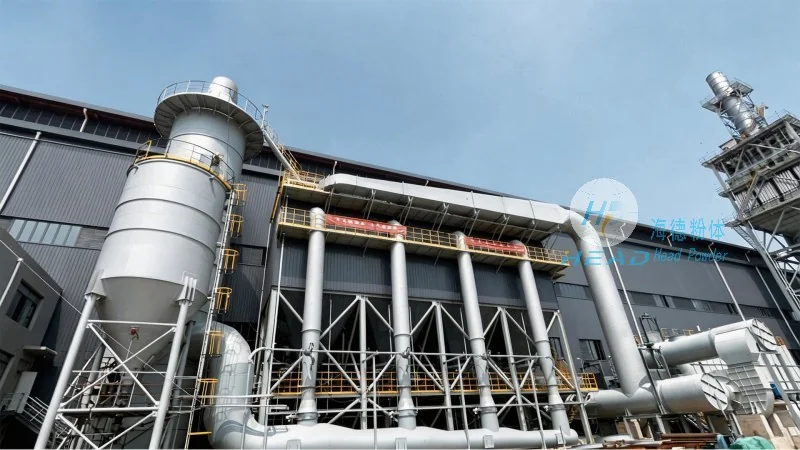
Equipment Selection for Pigment Pneumatic Conveying
Choosing the right equipment for a pigment pneumatic conveying system is crucial for long-term performance and reliability. HeadPowder offers a comprehensive range of equipment, including feeders, airlocks, and receivers, all designed to handle the specific characteristics of pigments. The selection process involves evaluating factors such as the material's flowability, abrasiveness, and potential for caking. For example, when dealing with fine pigments that are prone to bridging, specialized feeders like rotary valves or vibratory feeders may be required to ensure consistent material flow. Additionally, the choice of air compressor and filter system is critical, as they directly impact the system's efficiency and the quality of the conveyed material.
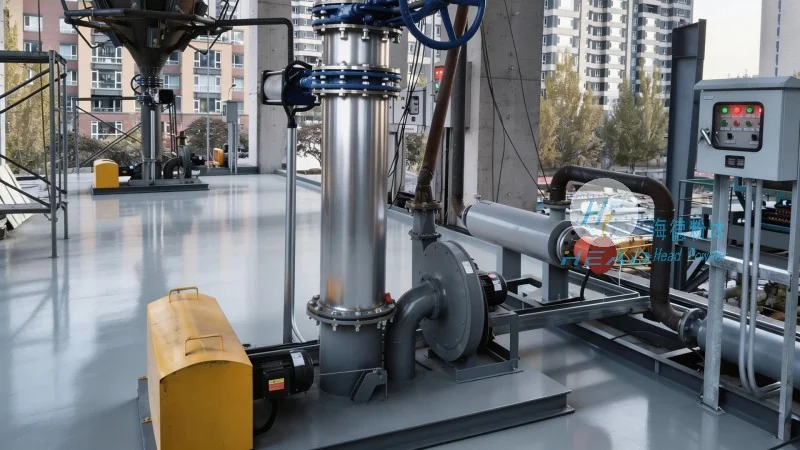
Customized Solutions from HeadPowder
At Shandong HeadPowder Engineering Co., Ltd., we recognize that each pigment application has unique requirements. Our team of experienced engineers works closely with clients to develop customized pneumatic conveying solutions that address specific challenges, such as handling abrasive pigments or transporting materials over long distances. By leveraging advanced design software and industry best practices, we ensure that every system is optimized for performance, energy efficiency, and durability. Our commitment to quality and customer satisfaction has made HeadPowder a trusted partner for companies in the pigment industry, providing reliable and efficient material handling solutions.
Conclusion
In conclusion, the design and selection of equipment for pigment pneumatic conveying are critical steps in ensuring efficient and reliable material transport. By understanding the key design calculations and selecting appropriate equipment, companies can achieve significant improvements in productivity and operational costs. Shandong HeadPowder Engineering Co., Ltd. stands ready to assist with these processes, offering expert guidance and tailored solutions that meet the diverse needs of the pigment industry. Whether you are designing a new system or upgrading an existing one, HeadPowder provides the expertise and equipment to optimize your material handling operations.




