Shandong HeadPowder Engineering Co., Ltd., a leading provider in the starch processing industry, specializes in providing comprehensive airflow transport solutions tailored for sweet potato starch production. The company, commonly known as HeadPowder, is headquartered in Shandong, China, and has established itself as a trusted partner for clients seeking efficient and reliable systems for handling and transporting sweet potato starch. This article focuses on the design calculations and equipment selection processes essential for optimizing airflow transport systems in sweet potato starch processing facilities.
Key Design Considerations for Sweet Potato Starch Airflow Transport
When designing an airflow transport system for sweet potato starch, several critical factors must be considered to ensure optimal performance and efficiency. The first step involves determining the material characteristics of sweet potato starch, which include its bulk density, flowability, and moisture content. These properties directly impact the selection of the appropriate transport air velocity and system pressure. For sweet potato starch, typical bulk densities range from 0.5 to 0.7 g/cm³, and the material is generally free-flowing but can become cohesive under certain moisture conditions. Therefore, the design must account for variations in moisture levels to prevent blockages or uneven flow within the transport pipeline.
Another crucial design consideration is the system's capacity requirements. The airflow transport system must be capable of handling the desired throughput, which is typically measured in tons per hour (t/h). For instance, a medium-scale sweet potato starch plant might require a system with a capacity of 10-20 t/h, while larger industrial facilities could demand systems with capacities exceeding 50 t/h. The design calculations must accurately model the material flow rate, ensuring that the transport velocity and pipeline diameter are sufficient to maintain a stable, non-clogging flow. This involves using computational fluid dynamics (CFD) simulations or empirical formulas to predict the pressure drop across the system and select appropriate fan or blower capacity.
Equipment Selection for Sweet Potato Starch Airflow Transport
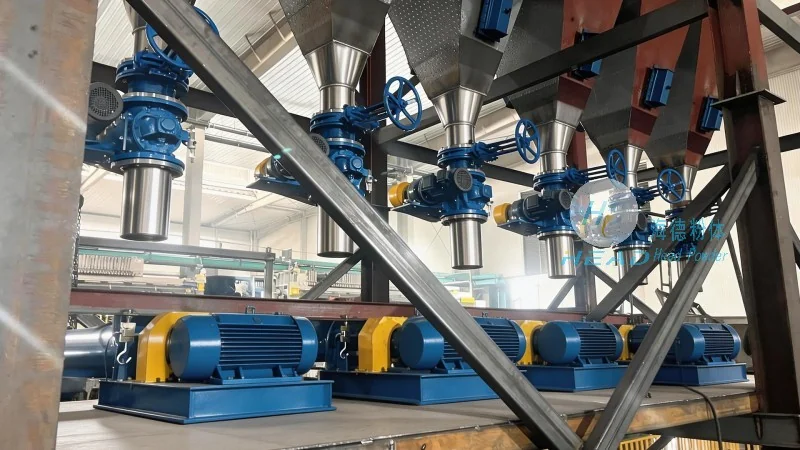
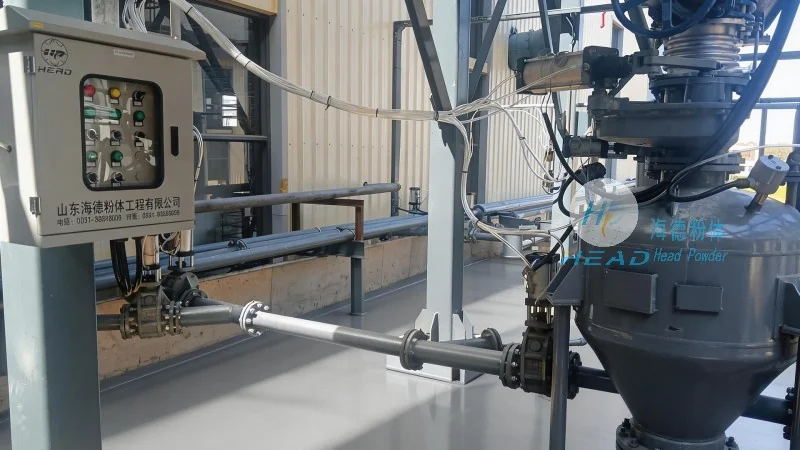
Once the design calculations are complete, the next phase involves selecting the appropriate equipment for the airflow transport system. The core components of such a system include a material feeder, transport pipeline, air source (fan or blower), and material separation or discharge equipment. For sweet potato starch, the material feeder is typically a rotary valve or a star feeder, designed to provide a consistent and controlled flow of starch into the pipeline. These feeders must be capable of handling the material's free-flowing nature while preventing air leakage, which could affect the system's pressure and efficiency.
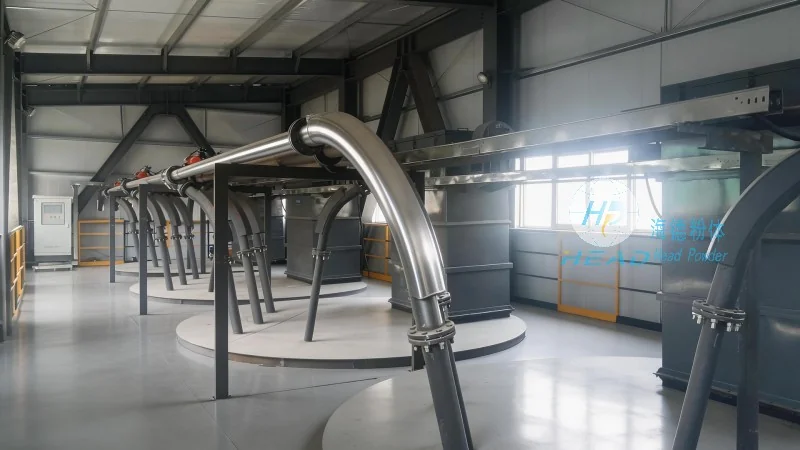
The transport pipeline is usually made of stainless steel or PVC, chosen for its corrosion resistance and durability in handling starch products. The pipeline diameter is determined based on the required air velocity and material flow rate. For sweet potato starch, a common air velocity range is 15-25 m/s, which balances the need to prevent material deposition while minimizing energy consumption. The pipeline layout, including the number and angle of bends, is also critical as excessive bends can increase pressure drop and reduce system efficiency. Properly designed elbows and smooth transitions are essential to maintain a stable flow and avoid clogging.
The air source, typically a centrifugal fan or a positive displacement blower, is selected based on the system's required pressure and airflow. The fan's capacity must be sufficient to overcome the total pressure drop in the pipeline, including friction losses, elevation changes, and losses at fittings and bends. For sweet potato starch systems, the fan is often equipped with variable frequency drives (VFDs) to allow for speed adjustment, enabling the system to operate at optimal efficiency under varying load conditions. This flexibility is particularly important in starch processing plants where production rates may fluctuate throughout the day.
At the discharge end of the system, a cyclone separator or a bag filter is commonly used to separate the starch from the air stream. The cyclone separator works by using centrifugal force to separate the heavier starch particles from the air, while the bag filter captures fine particles to ensure clean air discharge. The selection of the separator depends on the starch's particle size distribution and the required level of air purification. For sweet potato starch, which has a relatively fine particle size (typically 10-100 μm), a cyclone separator with a high efficiency rating is often preferred, as it can effectively handle the material's characteristics and maintain a low pressure drop.
Case Study: Design and Implementation of a Sweet Potato Starch Airflow Transport System
As an example of the application of these design principles, consider a case study of a medium-scale sweet potato starch plant in Shandong, China. The plant processes approximately 15 tons of sweet potato per hour, producing around 3 tons of starch. The airflow transport system was designed to handle a throughput of 12 t/h of starch, with a required air velocity of 18 m/s. The design calculations indicated a total pressure drop of approximately 1.2 kPa across the system, which was accommodated by a centrifugal fan with a capacity of 15,000 m³/h and a pressure rating of 1.5 kPa.
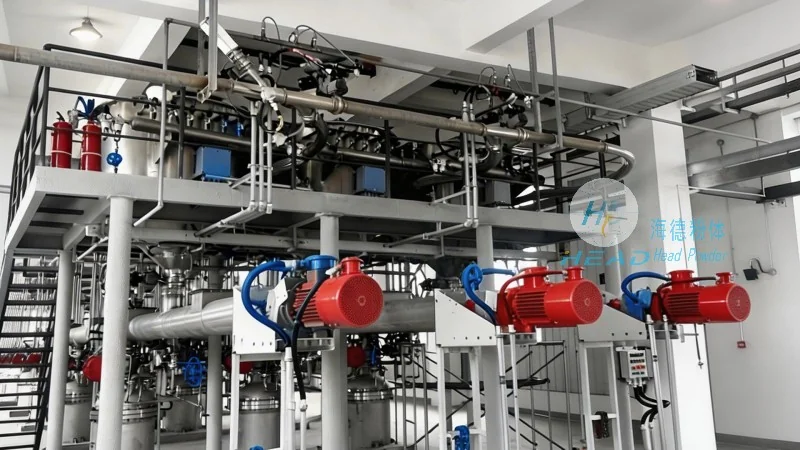
The system components included a star feeder for material input, a 100 mm diameter stainless steel pipeline with 5 bends (each with a 90° angle), and a cyclone separator for material recovery. The fan was equipped with a VFD to allow for speed adjustment based on production demands. During the system's initial operation, the throughput was adjusted from 10 t/h to 12 t/h, and the VFD was used to increase the fan speed from 1450 rpm to 1650 rpm, maintaining a stable pressure drop and preventing any material blockages. The cyclone separator effectively recovered over 98% of the starch, with only a small amount of fine particles being captured by the bag filter.




