Lightweight aggregate pneumatic conveying systems represent a sophisticated solution for the efficient and reliable transport of lightweight construction materials. These systems are engineered to handle materials such as expanded clay, perlite, vermiculite, and other similar granular or powdery substances, which are commonly used in construction, insulation, and industrial applications. The design of such systems is critical to ensure optimal performance, energy efficiency, and durability, addressing the unique challenges posed by the physical properties of lightweight aggregates.
Company Profile and Expertise
Headpowder, operating as Shandong HeadPowder Engineering Co., Ltd., is a leading provider of specialized engineering solutions for material handling and processing. With a strong presence in China, particularly in Shandong province, the company has built a reputation for delivering high-quality, customized pneumatic conveying systems tailored to the needs of various industries. The company's expertise lies in the integration of advanced technology with practical engineering, ensuring that each system is optimized for the specific characteristics of the materials being transported.
Key Design Considerations for Lightweight Aggregate Conveying
The design of a lightweight aggregate pneumatic conveying system involves several critical factors that must be carefully evaluated to achieve efficient operation. First, the selection of the appropriate conveying method—whether it is pressure or vacuum-based—depends on the material's density, flowability, and the distance and elevation changes required for transport. For lightweight aggregates, pressure systems are often preferred due to their ability to handle low-density materials effectively and maintain consistent flow rates. The system design also includes considerations for the material's particle size distribution, as this affects the air velocity and pressure requirements needed to prevent blockages and ensure smooth transport.
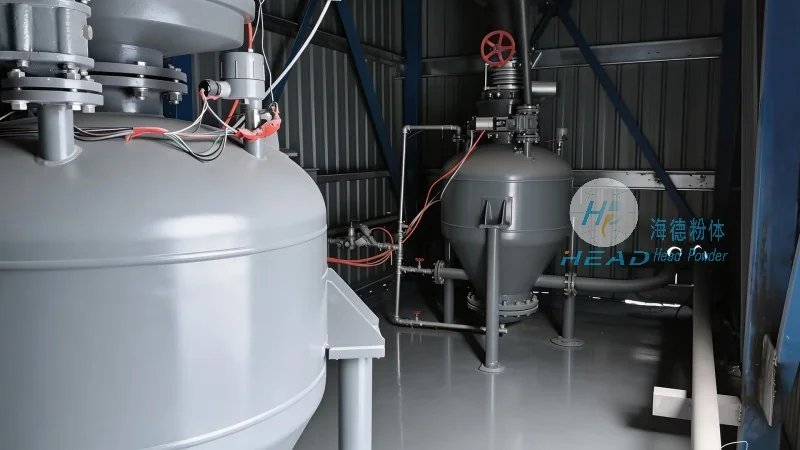
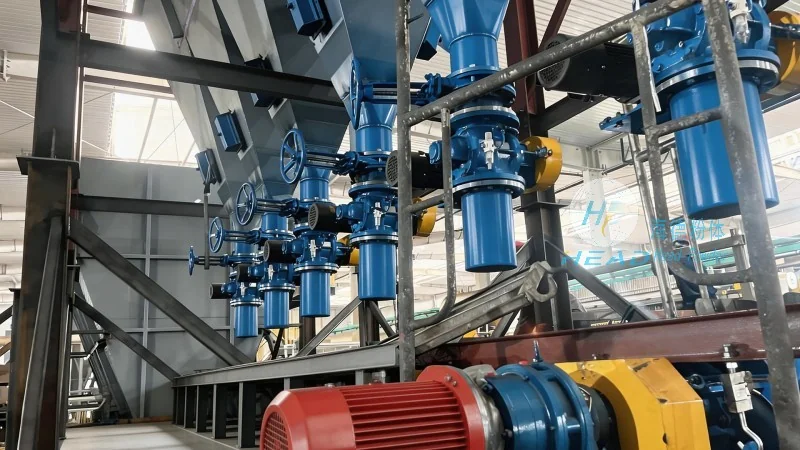
Another crucial aspect is the choice of components, including the air compressor, ductwork, and material feeders. High-efficiency, low-noise air compressors are typically employed to minimize energy consumption while maintaining sufficient pressure. The ductwork is designed with smooth, non-clogging surfaces and appropriate bends to reduce pressure losses and prevent material accumulation. Material feeders, such as rotary valves or screw feeders, are selected based on the material's flow characteristics and the need for consistent feed rates. The system may also incorporate features like cyclone separators or filters to separate the conveyed material from the air stream, ensuring that the material is delivered to the destination without contamination.
Application Scenarios and Industry Use Cases
Lightweight aggregate pneumatic conveying systems find extensive applications across multiple sectors. In the construction industry, these systems are widely used for transporting expanded clay, perlite, and vermiculite to building sites, where they are used as insulation materials in walls, roofs, and flooring. The systems enable efficient on-site delivery, reducing the need for manual handling and minimizing material waste. In the industrial sector, they are employed in the production of lightweight concrete, where the aggregates are mixed with cement and other additives to create lightweight building materials with improved thermal and acoustic properties.
Additionally, these systems are utilized in the manufacturing of insulation products, such as loose-fill insulation, where the lightweight aggregates are conveyed to mixing and packaging lines. The ability to handle large volumes of material with minimal labor and space requirements makes pneumatic conveying an attractive option for manufacturers seeking to enhance productivity and reduce operational costs. The systems are also suitable for applications in the chemical and pharmaceutical industries, where the transport of fine powders and granules requires strict control over particle size and contamination.
Advantages of Using Pneumatic Conveying for Lightweight Aggregates
Compared to traditional mechanical conveying methods, pneumatic conveying offers several advantages when handling lightweight aggregates. One of the primary benefits is the ability to transport materials over long distances and through complex layouts without the need for multiple transfer points or additional equipment. This reduces the overall system complexity and maintenance requirements. The systems also provide better control over material flow, ensuring consistent delivery rates and preventing overloading or underloading of downstream processes.
Energy efficiency is another significant advantage. Modern pneumatic conveying systems utilize high-efficiency air compressors and optimized ductwork designs to minimize energy consumption. The use of pressure systems allows for the use of smaller air volumes compared to vacuum systems, resulting in lower operational costs. Additionally, the systems are designed to minimize air leakage and pressure losses, further enhancing energy savings. The reduced need for mechanical components, such as conveyors or elevators, also contributes to lower maintenance costs and longer system lifespans.
From a safety and environmental perspective, pneumatic conveying offers advantages over other methods. The enclosed system prevents dust emissions and protects the material from contamination, which is critical for applications where material purity is essential. The systems also reduce the risk of material spillage and accidents associated with manual handling or mechanical equipment. Furthermore, the use of lightweight aggregates in construction and insulation applications contributes to energy savings in buildings, aligning with sustainability goals.
Customization and Integration Services
HeadPowder understands that each client's needs are unique, and therefore, the company offers comprehensive customization and integration services for its pneumatic conveying systems. The design process begins with a thorough analysis of the client's requirements, including the type and quantity of materials to be transported, the distance and elevation changes, and the desired operational parameters. Based on this analysis, the company's engineering team develops a tailored system design that maximizes efficiency and meets all regulatory and safety standards.
The company provides a range of services, including system installation, commissioning, and ongoing maintenance support. The installation process is carried out by experienced technicians who ensure that all components are properly assembled and tested for optimal performance. Commissioning involves thorough testing of the system to verify that it meets the specified performance criteria, including flow rates, pressure levels, and material delivery accuracy. Ongoing maintenance services are offered to ensure that the system operates at peak efficiency and to address any issues that may arise over time.
HeadPowder also provides technical support and training to clients, helping them to maximize the benefits of their pneumatic conveying systems. The company's team of experts is available to assist with system optimization, troubleshooting, and the implementation of new technologies to improve performance. This level of support ensures that clients can rely on their systems for long-term, reliable operation, minimizing downtime and maximizing productivity.
Conclusion
Lightweight aggregate pneumatic conveying systems are a vital component in the efficient handling and transport of lightweight construction materials. The design and implementation of these systems require careful consideration of material properties, operational requirements, and system components to ensure optimal performance. HeadPowder, as a leading provider in the industry, offers customized solutions that address the unique needs of clients, providing reliable, energy-efficient, and sustainable material handling solutions. With its strong presence in China and commitment to quality, HeadPowder continues to be a trusted partner for businesses seeking to enhance their material handling capabilities and improve overall operational efficiency.




