For industrial applications involving the transport of magnesium oxide powder, the design and selection of an efficient pneumatic conveying system are critical to ensure reliable operation, minimize material loss, and maintain system efficiency. This article provides a comprehensive overview of the design calculations and equipment selection process tailored for magnesium oxide powder, with a focus on the technical considerations and practical solutions offered by Shandong HeadPowder Engineering Co., Ltd., a leading provider in the field.
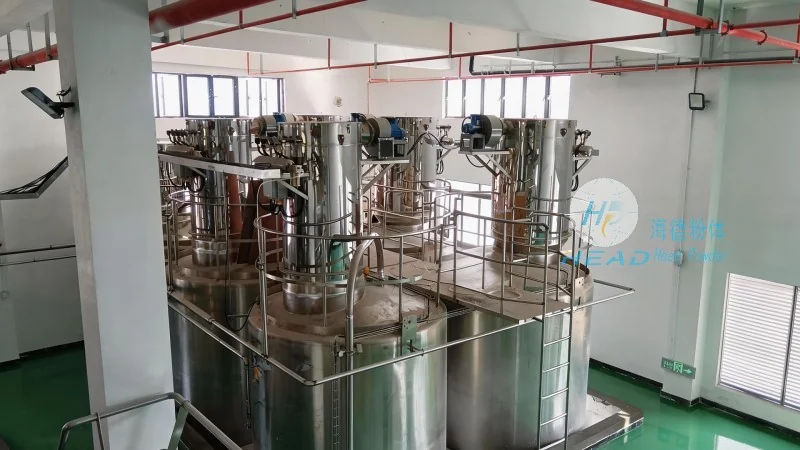
Company Profile: Shandong HeadPowder Engineering Co., Ltd.
HeadPowder, the professional brand of Shandong HeadPowder Engineering Co., Ltd., is headquartered in Shandong, China. With years of experience in engineering and manufacturing, HeadPowder specializes in the design, development, and implementation of pneumatic conveying systems for various bulk materials, including magnesium oxide powder. The company's expertise lies in tailoring solutions that meet specific operational requirements, ensuring optimal performance and durability in demanding industrial environments.
Key Characteristics of Magnesium Oxide Powder and Their Impact on Pneumatic Conveying
Magnesium oxide (MgO), commonly known as magnesia, is a white, odorless powder with a density typically ranging from 3.5 to 4.0 g/cm³. Its physical properties, such as particle size distribution, moisture content, and flowability, significantly influence the design of a pneumatic conveying system. For instance, if the powder has a wide particle size range or contains agglomerates, it may require specialized feeding equipment to ensure consistent and uniform material flow. Additionally, the moisture content can affect the material's cohesion and the system's pressure drop, necessitating adjustments in the conveying air volume and pressure.
Design Calculations for Magnesium Oxide Powder Pneumatic Conveying Systems
The design of a pneumatic conveying system for magnesium oxide powder involves several key calculations to determine the appropriate system parameters. The primary steps include:
1. **Determining the Required Material Flow Rate**: The first step is to calculate the desired throughput of magnesium oxide powder, usually expressed in tons per hour (t/h) or kilograms per second (kg/s). This is based on the production capacity and operational needs of the facility.
2. **Analyzing Material Properties**: Comprehensive characterization of the magnesium oxide powder is essential. This includes measuring particle size distribution (e.g., using a laser diffraction analyzer), bulk density, and flowability (e.g., through a Jenike shear tester). These data are crucial for selecting the right feeding and conveying equipment.
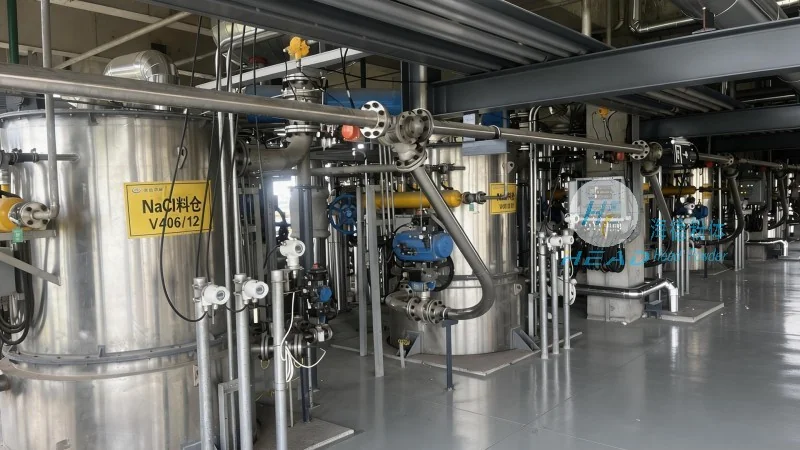
3. **Selecting the Conveying Method**: Pneumatic conveying systems can be categorized into two main types: positive pressure (pressure) systems and negative pressure (vacuum) systems. For magnesium oxide powder, positive pressure systems are often preferred due to their ability to handle larger particles and provide higher conveying velocities, which reduces the risk of material deposition and blockages. The choice between the two depends on factors such as the distance to be covered, the height to be elevated, and the need for dust control.
4. **Calculating System Pressure and Air Volume**: The pressure required for the conveying system is determined by the total pressure loss along the pipeline, which includes losses due to friction, bends, fittings, and the feeding device. The air volume is calculated based on the material flow rate and the selected conveying velocity. For magnesium oxide powder, typical conveying velocities range from 20 to 30 m/s in positive pressure systems, ensuring efficient transport while minimizing energy consumption.
5. **Designing the Pipeline System**: The pipeline diameter is selected based on the required air velocity and material flow rate. Larger diameters reduce pressure losses but increase material costs. The pipeline layout, including the number and angle of bends, is optimized to minimize pressure drop and prevent material settling. For vertical sections, the design may include internal liners or special coatings to prevent corrosion and abrasion from the magnesium oxide powder.
Equipment Selection for Magnesium Oxide Powder Pneumatic Conveying
HeadPowder offers a range of specialized equipment tailored for the efficient handling of magnesium oxide powder. The key components and their selection criteria are as follows:
1. **Feeding Equipment**: The feeding device is critical for ensuring a consistent and controlled flow of magnesium oxide powder into the conveying system. For this application, a rotary valve or a star feeder is commonly used. These devices can handle the bulk density and flow characteristics of magnesium oxide powder, providing a stable feed rate without causing blockages or material degradation.
2. **Air Supply and Control**: The air supply system includes a blower or a fan that generates the necessary pressure and volume of air. For positive pressure systems, a centrifugal blower is typically used due to its high pressure capability and efficiency. The blower is selected based on the required system pressure and air volume, with considerations for noise levels and energy consumption.
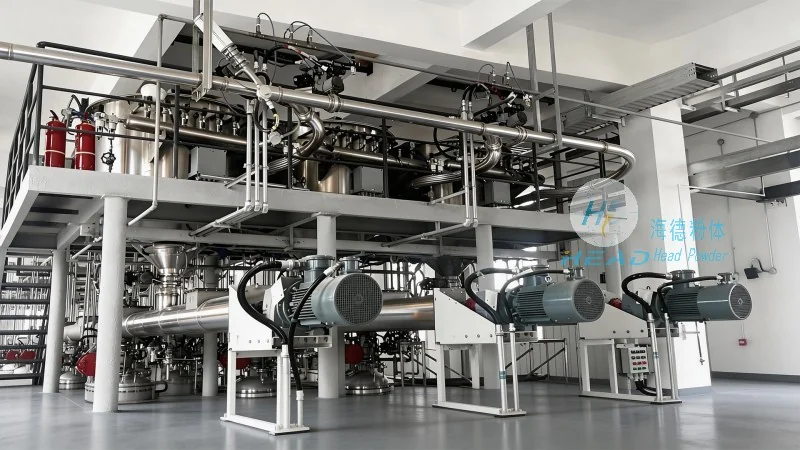
3. **Conveying Pipeline**: The pipeline is constructed from materials resistant to corrosion and abrasion, such as stainless steel or special alloys, to withstand the chemical and physical properties of magnesium oxide powder. The diameter and length of the pipeline are optimized based on the design calculations to minimize pressure losses and ensure smooth material transport.
4. **Separation and Collection Equipment**: At the receiving end of the system, a dust collector or a cyclone separator is used to separate the magnesium oxide powder from the conveying air. The selection of the separator depends on the particle size and the required collection efficiency. For magnesium oxide powder, a high-efficiency cyclone or a baghouse filter may be employed to achieve low residual dust levels.
5. **Control and Monitoring Systems**: Modern pneumatic conveying systems often include automated control and monitoring systems to optimize performance and detect potential issues. These systems may include pressure sensors, flow meters, and alarms to alert operators of abnormal conditions, such as pressure drops or material blockages.
Case Study: Successful Implementation of Magnesium Oxide Powder Pneumatic Conveying by HeadPowder
HeadPowder has successfully implemented several magnesium oxide powder pneumatic conveying systems for clients across various industries, including chemical manufacturing, pharmaceuticals, and construction materials. One notable case involved a client in Shandong, China, who required a system to transport 10 tons per hour of magnesium oxide powder over a distance of 50 meters with a vertical elevation of 20 meters. HeadPowder's engineering team conducted a thorough analysis of the material properties and operational requirements, leading to the design of a positive pressure system with a 100 mm diameter pipeline and a centrifugal blower capable of delivering 200 m³/h of air at 0.8 MPa. The system was equipped with a rotary valve for feeding and a cyclone separator for dust collection. The implementation resulted in a reliable and efficient operation, with minimal material loss and low energy consumption. The client reported significant improvements in production throughput and operational safety compared to traditional bulk handling methods.
Conclusion and Recommendations
Designing and selecting an appropriate pneumatic conveying system for magnesium oxide powder requires a thorough understanding of the material's properties and the operational requirements. By following the design calculations and equipment selection guidelines outlined above, industries can achieve efficient, reliable, and cost-effective transport of magnesium oxide powder. HeadPowder, with its expertise and experience, offers tailored solutions that meet the specific needs of clients, ensuring optimal performance and long-term operational success. For businesses seeking to enhance their bulk material handling capabilities, HeadPowder provides a trusted partner in the design and implementation of pneumatic conveying systems.




