Calcium hydroxide, commonly known as slaked lime, is a widely used chemical in various industrial applications, including construction, water treatment, and manufacturing. The efficient handling and transportation of calcium hydroxide are crucial for maintaining production efficiency and ensuring safety in industrial processes. This article explores the working principle and key features of specialized equipment designed for calcium hydroxide material handling, highlighting how such systems enhance operational performance and reliability.
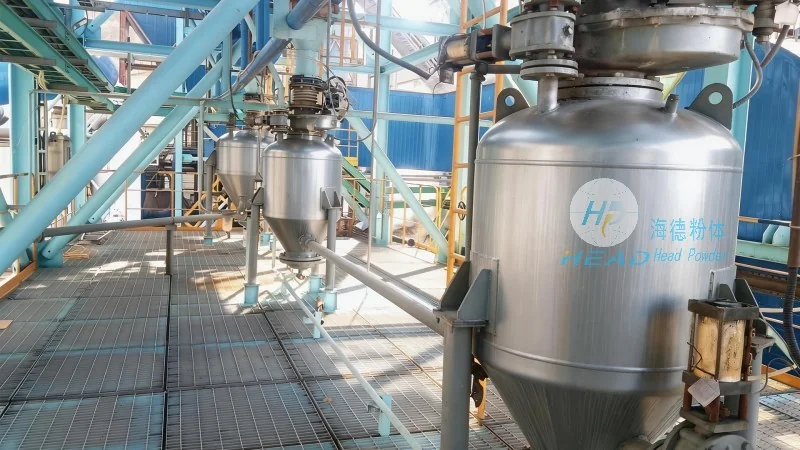
Overview of Calcium Hydroxide Material Handling Equipment
Calcium hydroxide is a fine, powdery substance that requires specialized equipment to transport safely and efficiently. Traditional methods, such as manual handling or basic conveyor systems, often lead to dust exposure, material loss, and operational inefficiencies. To address these challenges, manufacturers have developed advanced material handling solutions tailored to the unique properties of calcium hydroxide. These systems are designed to minimize dust generation, ensure consistent flow rates, and maintain material integrity throughout the transport process.
Working Principle of Calcium Hydroxide Material Handling Equipment
The core working principle of calcium hydroxide material handling equipment revolves around the use of controlled mechanisms to move the material from one location to another. A common approach involves the use of enclosed conveyor systems, such as screw conveyors or pneumatic conveyors, which are engineered to handle fine powders without causing excessive dust or clogging. For example, screw conveyors utilize a rotating helical screw to push material forward, while pneumatic conveyors use air pressure to transport the material through a sealed pipeline. Both systems are designed to maintain the material's dryness and prevent agglomeration, which is critical for maintaining the quality of calcium hydroxide.
Another key component in the working principle is the integration of dust control measures. Many modern systems incorporate dust extraction and filtration systems to capture airborne particles, ensuring compliance with occupational health and safety regulations. This not only protects workers from respiratory hazards but also prevents material loss and contamination of the surrounding environment. The equipment is also equipped with sensors and controls that monitor flow rates, pressure, and temperature, allowing for real-time adjustments to maintain optimal performance.
Key Features of Calcium Hydroxide Material Handling Equipment
Specialized calcium hydroxide material handling equipment is characterized by several key features that distinguish it from general-purpose handling systems. Firstly, it is designed with corrosion-resistant materials to withstand the chemical properties of calcium hydroxide, which can be caustic and reactive. Stainless steel or specialized coatings are commonly used to protect the equipment from degradation and ensure long-term durability.
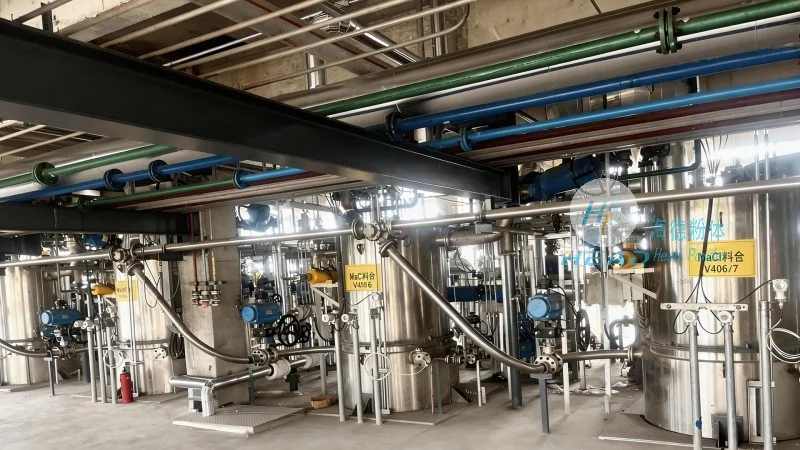
Secondly, the equipment is engineered to minimize dust generation through enclosed designs and efficient sealing mechanisms. This is essential not only for safety but also for maintaining the purity of the material, as calcium hydroxide is often used in applications where high purity is required, such as in water treatment or pharmaceutical manufacturing. The use of flexible hoses and sealed joints further reduces the risk of leaks and contamination.
Thirdly, the systems are designed for high efficiency and reliability. They often incorporate variable speed drives and adjustable feed mechanisms, allowing operators to control the flow rate based on production demands. This adaptability ensures that the equipment can handle varying loads without compromising performance. Additionally, the equipment is equipped with maintenance-friendly features, such as easy access to components and quick-release connections, which reduce downtime and maintenance costs.
Application-Specific Design Considerations
The design of calcium hydroxide material handling equipment is tailored to the specific requirements of different industries. For instance, in the construction industry, the equipment may be used to transport calcium hydroxide for mortar and concrete production, where consistent mixing and flow are critical. In water treatment facilities, the equipment is used to deliver calcium hydroxide for pH adjustment and water purification, where precise dosing is essential. The equipment is also adapted to handle different particle sizes and moisture content, ensuring compatibility with various production processes.
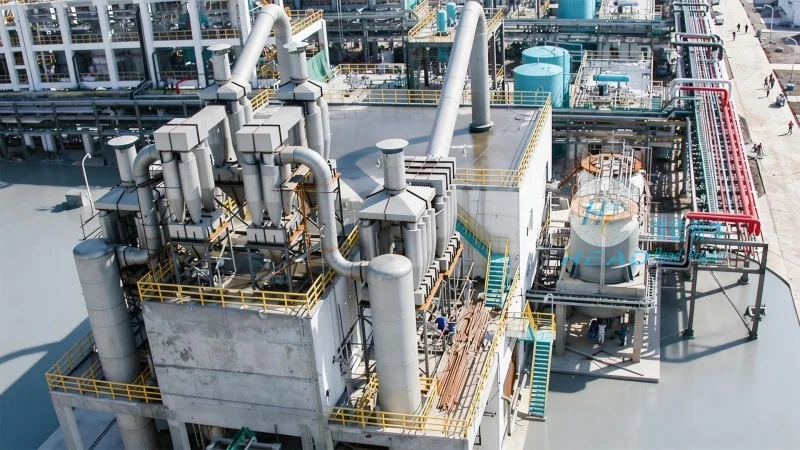
Benefits of Using Specialized Calcium Hydroxide Handling Equipment
Investing in specialized calcium hydroxide material handling equipment offers numerous benefits for industrial operations. The primary advantage is improved safety, as enclosed systems and dust control measures reduce the risk of respiratory illnesses and material exposure. This not only protects workers but also helps companies comply with regulatory standards and avoid potential fines. Additionally, the equipment enhances operational efficiency by reducing material loss and minimizing downtime due to clogging or maintenance issues.
Another significant benefit is the preservation of material quality. By maintaining the dryness and purity of calcium hydroxide, the equipment ensures that the final product meets the required specifications, which is crucial for applications where quality is non-negotiable. This leads to higher customer satisfaction and reduced waste, contributing to overall cost savings.
Furthermore, the advanced control systems in modern equipment allow for better monitoring and management of the transport process. Real-time data on flow rates, pressure, and temperature enable operators to make informed decisions, optimizing production schedules and resource allocation. This level of control is particularly valuable in large-scale industrial settings where efficiency and consistency are paramount.
Conclusion
In conclusion, the working principle and features of calcium hydroxide material handling equipment are designed to address the unique challenges of transporting this essential chemical. By utilizing enclosed systems, advanced control mechanisms, and corrosion-resistant materials, these solutions enhance safety, efficiency, and material quality. For industries relying on calcium hydroxide, investing in specialized handling equipment is a strategic decision that supports long-term operational success and compliance with industry standards. As the demand for calcium hydroxide continues to grow, the importance of reliable and efficient material handling systems will only increase, making them a critical component of modern industrial operations.




