Quartz sand powder material handling equipment is a critical component in various industrial applications, particularly in the processing and transportation of fine powders like quartz sand. Understanding its working principle and key features is essential for optimizing operational efficiency and ensuring product quality. This article provides a detailed overview of the mechanisms and characteristics of such equipment, tailored for professionals in the powder handling industry.
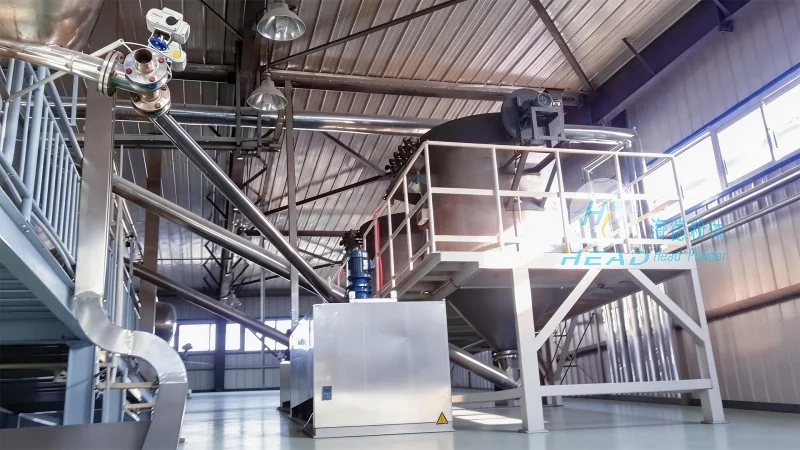
Introduction to Quartz Sand Powder Material Handling Equipment
Quartz sand powder material handling equipment is designed to transport, store, and manage fine quartz sand powders efficiently. These materials are widely used in construction, glass manufacturing, and other industries due to their high purity and durability. The equipment must handle the unique properties of quartz sand, such as its fine particle size, abrasive nature, and tendency to generate static electricity. Proper handling equipment ensures that the material is transported without degradation, loss, or contamination, which is crucial for maintaining product integrity and reducing operational costs.
Working Principle of Quartz Sand Powder Handling Equipment
The working principle of quartz sand powder handling equipment typically involves several key mechanisms that work in tandem to ensure smooth material flow. One of the most common types is the pneumatic conveying system, which uses compressed air to move the powder through a network of pipes. This system is particularly effective for fine powders like quartz sand, as it minimizes particle breakage and prevents dust accumulation. The process begins with the material being fed into a hopper or feeder, where it is then drawn into the conveying line by the air flow. The air velocity and pressure are carefully controlled to maintain a stable and consistent flow rate, preventing blockages and ensuring uniform distribution of the powder.
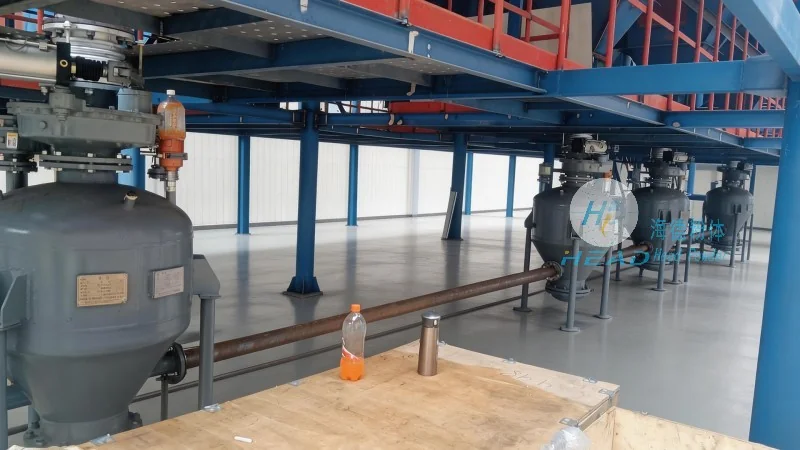
Another common method is the mechanical conveying system, which uses rotating components like screws or belts to move the powder. This type of equipment is often used for bulk handling and can handle larger quantities of material. The screw conveyor, for example, consists of a rotating screw inside a tube, which pushes the powder forward. The speed and pitch of the screw can be adjusted to control the flow rate and prevent material buildup. Mechanical systems are generally more suitable for abrasive materials like quartz sand, as they can withstand the wear and tear caused by the fine particles.
Key Features of Quartz Sand Powder Handling Equipment
Several key features distinguish high-quality quartz sand powder handling equipment. One of the most important is the ability to handle fine, abrasive materials without causing damage to the equipment or the material itself. This requires robust construction materials, such as stainless steel or special alloys, which can resist corrosion and wear. The equipment also needs to be designed to minimize dust generation, as fine powders can be hazardous to health and the environment. Features like dust collection systems and sealed components help to contain the powder and maintain a clean working environment.
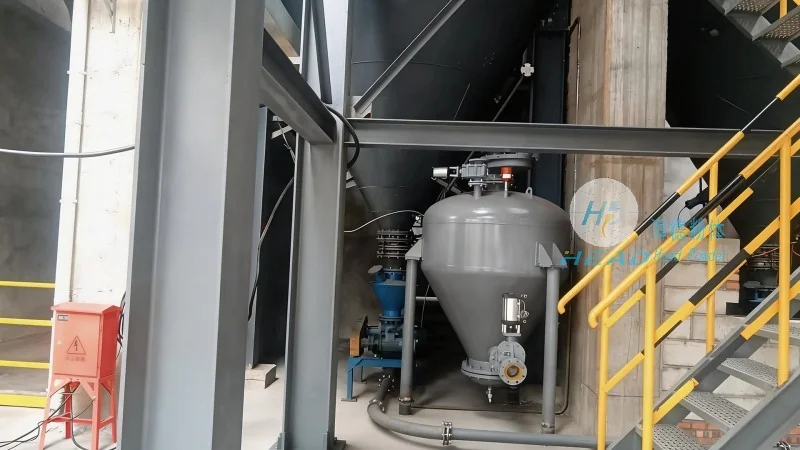
Another critical feature is the control system, which allows operators to monitor and adjust the flow rate, pressure, and other parameters in real-time. Modern equipment often includes sensors and automation systems that can detect blockages or changes in material flow and alert the operator. This helps to prevent downtime and ensures that the equipment operates at optimal efficiency. The equipment should also be easy to clean and maintain, as quartz sand can adhere to surfaces and cause clogging if not properly managed.
Applications and Benefits of Quartz Sand Powder Handling Equipment
Quartz sand powder handling equipment is used in a wide range of applications, from small-scale production lines to large industrial facilities. In the construction industry, it is used to transport sand for concrete and mortar production. In the glass manufacturing industry, it is used to supply raw materials for glass production, where the purity of the quartz sand is critical. The equipment also plays a role in the chemical and pharmaceutical industries, where fine powders are used in various processes.
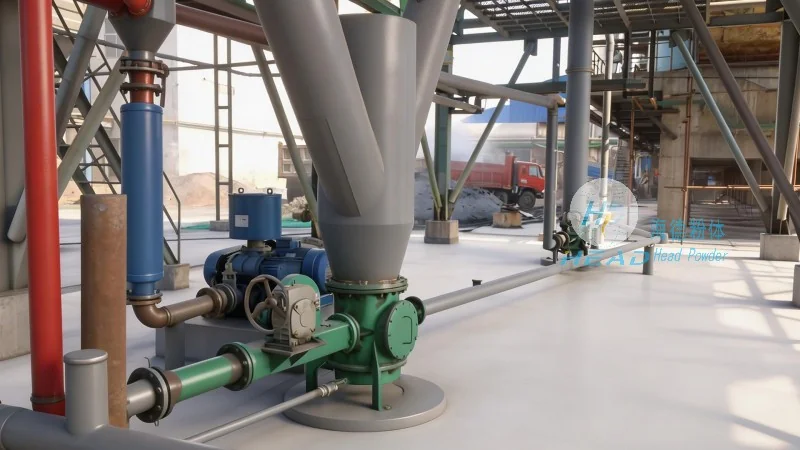
The benefits of using specialized handling equipment for quartz sand include improved efficiency, reduced material loss, and enhanced product quality. By ensuring that the powder is transported without degradation, the equipment helps to maintain the high purity of the quartz sand, which is essential for its intended applications. Additionally, the equipment reduces the risk of dust exposure for workers, improving workplace safety. The ability to control the flow rate and pressure also allows for precise dosing, which is crucial in processes where exact material quantities are required.
Conclusion
In conclusion, quartz sand powder handling equipment is a vital tool for industries that rely on fine quartz sand powders. Understanding its working principle and key features is essential for selecting the right equipment for specific applications. The equipment must be designed to handle the unique properties of quartz sand, such as its fine particle size and abrasive nature, while minimizing dust generation and ensuring efficient material flow. By investing in high-quality handling equipment, companies can improve operational efficiency, maintain product quality, and enhance workplace safety. For businesses looking to optimize their quartz sand handling processes, it is important to consider factors such as material properties, application requirements, and equipment durability when making a selection.




