Ammonia fertilizer is a critical component in modern agricultural practices, and the efficient handling of this material often relies on specialized equipment. One such system is the ammonia fertilizer pneumatic conveying line, which plays a vital role in transporting and managing ammonia-based fertilizers. This article explores what an ammonia fertilizer pneumatic conveying system is and delves into its fundamental design principles.
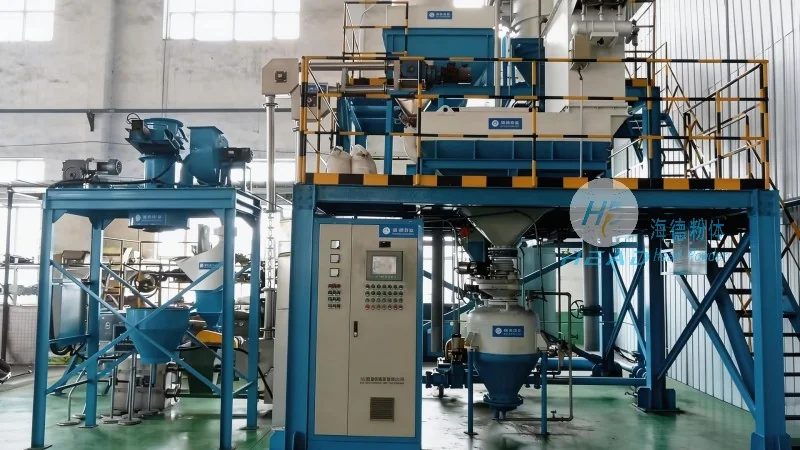
Introduction to Ammonia Fertilizer Pneumatic Conveying Systems
An ammonia fertilizer pneumatic conveying system is a technology used to transport bulk ammonia fertilizers through a network of pipes using compressed air or other gas. This method offers a safe, efficient, and flexible solution for moving materials that might be difficult to handle with traditional mechanical conveyors. The system is particularly valuable in industries where ammonia fertilizers are produced, stored, and distributed, as it minimizes the risk of dust exposure and ensures consistent material flow.
Core Design Principles of Ammonia Fertilizer Pneumatic Conveying Systems
The design of an ammonia fertilizer pneumatic conveying system is governed by several key principles that ensure optimal performance and safety. These principles include considerations of material properties, such as particle size, density, and moisture content, as well as the required conveying distance and throughput. Engineers must carefully calculate the necessary air pressure and flow rates to achieve the desired material transport speed without causing excessive wear on components or compromising system efficiency.
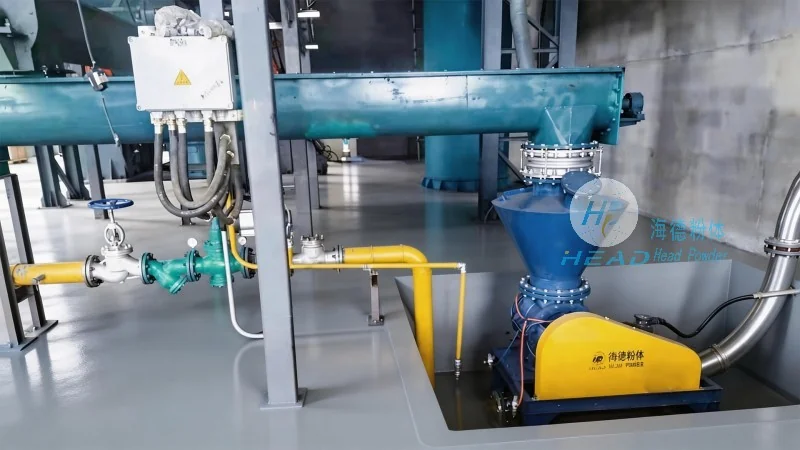
Components and Functional Mechanisms
A typical ammonia fertilizer pneumatic conveying system consists of several interconnected components. The primary elements include a feeding device, which introduces the fertilizer into the system, a gas source (usually a blower or compressor) that provides the necessary air pressure, a conveying pipeline network, a separation unit to collect the fertilizer at the destination, and a dust collection system to maintain air quality. The feeding device, often a rotary valve or a screw feeder, ensures a controlled and continuous flow of material into the pipeline. The gas source generates the pressure differential needed to move the fertilizer particles through the system. The conveying pipeline is designed with appropriate diameter and material to withstand the internal pressure and prevent leakage. The separation unit, such as a cyclone or a bag filter, captures the fertilizer and returns it to the storage or processing area, while the dust collection system ensures compliance with environmental regulations.
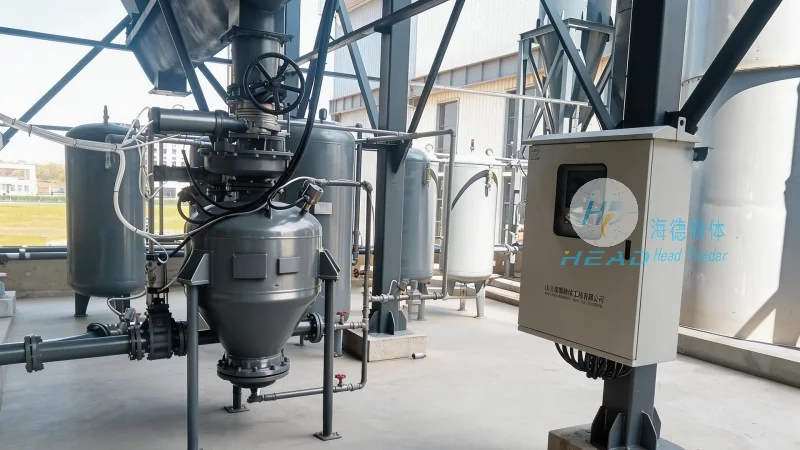
Advantages of Using Ammonia Fertilizer Pneumatic Conveying Systems
Implementing an ammonia fertilizer pneumatic conveying system offers numerous advantages over traditional conveying methods. One of the most significant benefits is enhanced safety, as the system minimizes direct human contact with the fertilizer, reducing the risk of exposure to ammonia fumes or dust. Additionally, pneumatic conveying systems provide a high degree of flexibility, allowing for changes in the layout or expansion of the conveying network without major structural modifications. The technology also contributes to improved efficiency, as it can handle large volumes of material with minimal downtime and maintenance. Furthermore, the enclosed system helps maintain product quality by preventing contamination from external sources and reducing the risk of material degradation.
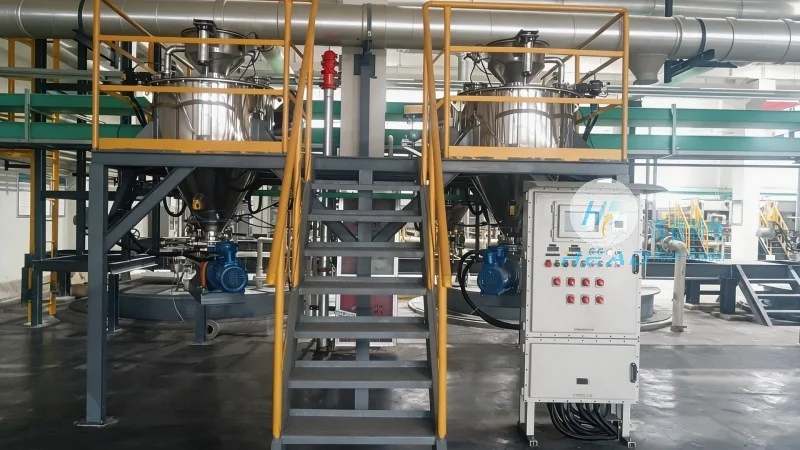
Application Scenarios and Industry Relevance
Ammonia fertilizer pneumatic conveying systems are widely used in various stages of the fertilizer production and distribution chain. In manufacturing facilities, these systems are employed to transport raw materials, such as ammonia and other chemicals, to processing units. During storage, the systems facilitate the movement of bulk fertilizer from silos to loading areas or to distribution centers. In agricultural settings, they may be used to transfer fertilizer from storage facilities to application equipment, ensuring that farmers can access the material quickly and efficiently. The versatility of pneumatic conveying makes it suitable for both large-scale industrial operations and smaller agricultural enterprises, adapting to different production scales and operational needs.
About Shandong HeadPowder Engineering Co., Ltd.
Shandong HeadPowder Engineering Co., Ltd. is a leading provider of engineering solutions for material handling systems, including ammonia fertilizer pneumatic conveying lines. Based in Shandong, China, the company specializes in designing, manufacturing, and installing customized conveying systems tailored to the specific requirements of its clients. With a focus on innovation and quality, HeadPowder Engineering ensures that its systems meet the highest industry standards for safety, efficiency, and durability. The company's expertise in pneumatic conveying technology, combined with its commitment to customer satisfaction, makes it a trusted partner for businesses seeking reliable solutions for ammonia fertilizer handling. Whether for new installations or system upgrades, HeadPowder Engineering offers comprehensive support to help clients optimize their material handling processes and enhance overall operational performance.




