Bauxite, a key raw material in the production of aluminum, requires efficient and reliable handling systems to ensure smooth industrial processes. A bauxite pneumatic conveying system is a specialized equipment solution designed to transport bauxite powder or granules through a pipeline using air pressure. This technology offers a dust-free, closed-loop operation that enhances safety and product quality, making it an essential component in modern bauxite processing facilities.
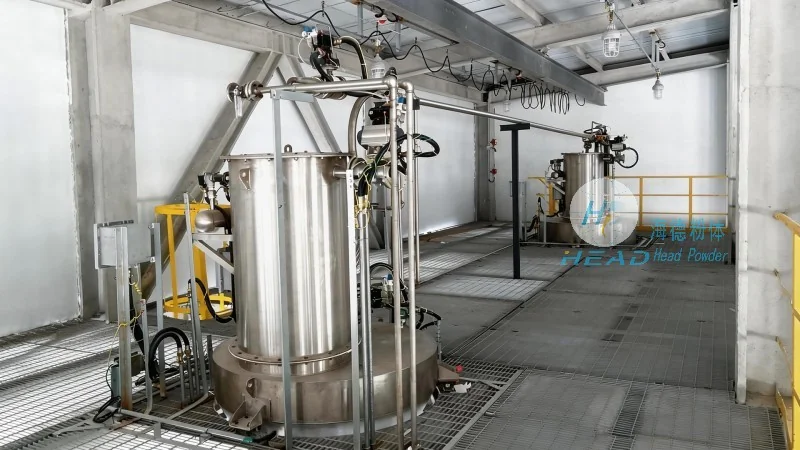
Understanding the Bauxite Pneumatic Conveying System
The core function of a bauxite pneumatic conveying system is to move bauxite material from a source, such as a storage silo or hopper, to a processing unit like a crusher or dryer. The system operates by generating a high-pressure air stream that propels the bauxite particles through a network of pipes. This method eliminates the need for mechanical components like belts or buckets, reducing maintenance costs and minimizing the risk of material contamination. The closed system design also prevents dust emissions, which is crucial for maintaining a safe working environment and complying with environmental regulations.
Design Principles of Bauxite Pneumatic Conveying Systems
The design of a bauxite pneumatic conveying system involves several critical principles that ensure optimal performance and efficiency. First, the system must be tailored to the specific characteristics of the bauxite material, including its particle size, density, and moisture content. These factors influence the air velocity required to transport the material without causing blockages or excessive wear on the system components. Engineers typically use the "air-to-material ratio" as a key design parameter, which is the ratio of the volume of air to the volume of material being conveyed. A higher air-to-material ratio is often used for fine powders to prevent clogging, while a lower ratio may be suitable for larger granules.
Second, the system's layout and pipeline configuration are carefully planned to minimize pressure drops and energy consumption. The pipeline design considers factors such as the length and elevation changes between the source and destination, as well as the number of bends and fittings. Each bend and fitting introduces resistance to the air flow, which can reduce the system's efficiency. Therefore, engineers use smooth, low-resistance fittings and minimize the number of bends to maintain optimal pressure levels. Additionally, the system includes pressure regulators and filters to maintain consistent air pressure and remove contaminants that could damage the equipment.
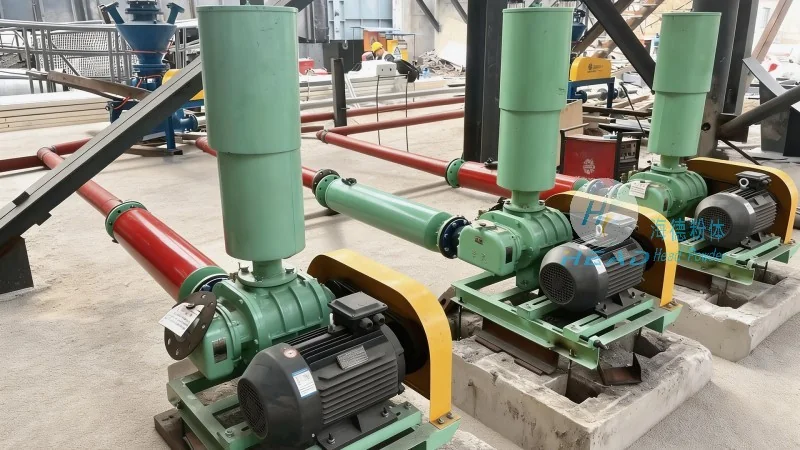
Key Components and Their Roles
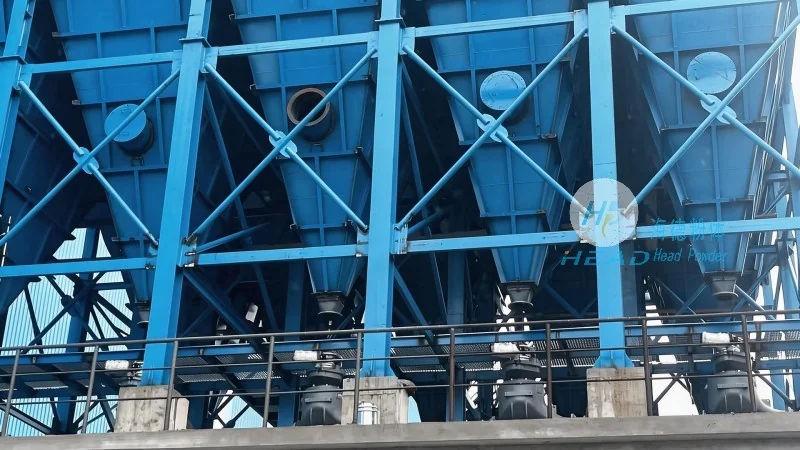
A bauxite pneumatic conveying system consists of several key components that work together to achieve efficient material transport. The primary components include a blower or compressor, which generates the air pressure; a hopper or silo, which stores the bauxite material; a feeder, which controls the flow of material into the system; and a pipeline network that connects these components. The blower is typically a positive displacement type, such as a rotary lobe or roots blower, which provides the necessary pressure to move the material. The feeder, often a rotary valve or screw feeder, ensures a consistent and controlled flow of bauxite into the pipeline, preventing overloading and maintaining system stability.
The pipeline network is constructed from materials that are resistant to the corrosive properties of bauxite and the abrasive effects of its particles. Common materials include stainless steel, carbon steel, or plastic, depending on the specific application and budget. The pipeline is usually equipped with inspection ports and pressure gauges to monitor the system's performance and detect any issues, such as blockages or pressure drops. Additionally, the system may include a filter and cyclone separator at the receiving end to separate the bauxite from the air, allowing the air to be recirculated and the material to be collected in a storage bin or processing unit.
Advantages of Using Bauxite Pneumatic Conveying Systems
Implementing a bauxite pneumatic conveying system offers numerous advantages over traditional mechanical conveying methods. One of the most significant benefits is the elimination of dust and airborne particles, which improves workplace safety and reduces the risk of respiratory illnesses among workers. The closed-loop design also prevents material loss and contamination, ensuring that the bauxite remains in a clean and usable state throughout the transport process. Additionally, the system is highly flexible, allowing for easy reconfiguration of the pipeline layout to accommodate changes in production needs or facility expansions.
Another advantage is the reduced maintenance requirements compared to mechanical systems. Since there are no moving parts in direct contact with the material, the system experiences less wear and tear, resulting in lower maintenance costs and longer equipment lifespan. The energy efficiency of pneumatic conveying systems is also a key benefit, as they can transport material over long distances with minimal energy consumption compared to other methods. This makes them an economical choice for large-scale bauxite processing operations.
Application in Bauxite Processing Facilities
Bauxite pneumatic conveying systems are widely used in various stages of bauxite processing, from raw material handling to intermediate processing. In the initial stages, the system transports bauxite from storage silos to crushing or grinding units, where it is prepared for further processing. During the processing stages, the system may be used to move bauxite to drying or screening equipment, where it is prepared for the next step in the production process. The system's ability to handle both fine powders and larger granules makes it versatile for different processing requirements.
In addition to material transport, the system can also be integrated with other processing equipment to create a fully automated bauxite handling line. This integration improves overall operational efficiency and reduces the need for manual labor, which is particularly important in large-scale industrial operations. The system's reliability and consistency in material transport also contribute to improved product quality and reduced waste, as the material is handled gently and without the risk of contamination.




