White lime materials, such as calcium hydroxide or other lime-based powders, are widely used in industrial processes for applications ranging from construction to chemical manufacturing. The efficient handling of these materials is crucial for maintaining production efficiency and product quality. Pneumatic conveying offers a reliable method to transport these powders over short or long distances, avoiding the need for traditional bulk handling equipment like conveyor belts or trucks. This article explores the fundamental concepts of pneumatic conveying for white lime materials and delves into the key design principles that ensure optimal performance.
About HeadPowder: Your Expert in Material Handling Solutions
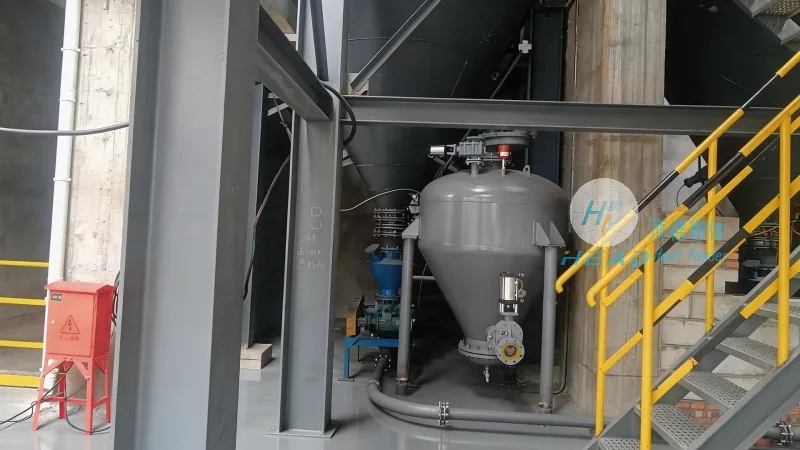
HeadPowder, a leading provider of material handling systems, specializes in designing and manufacturing customized pneumatic conveying solutions. With a strong presence in Shandong, China, HeadPowder Engineering Co., Ltd. leverages decades of industry experience to deliver high-quality equipment tailored to the unique needs of clients. The company’s commitment to innovation and customer satisfaction has established it as a trusted partner in the field of bulk material transport. Whether for small-scale operations or large industrial facilities, HeadPowder’s solutions are engineered to enhance operational efficiency and reduce handling costs.
What is Pneumatic Conveying for White Lime Materials?
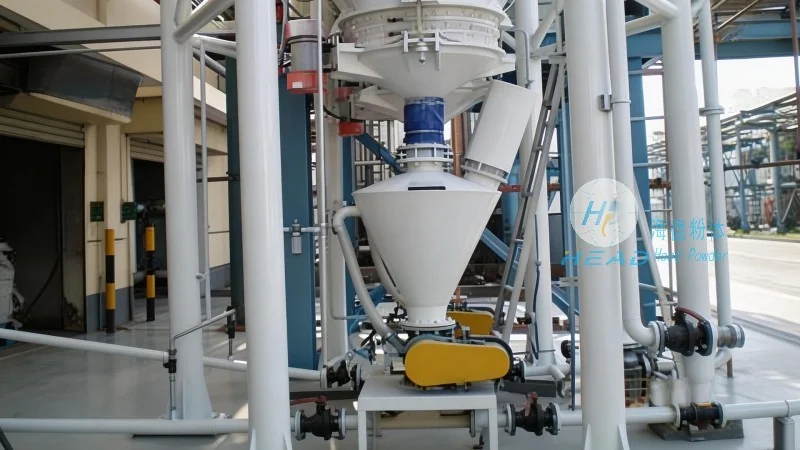
Pneumatic conveying involves the transport of solid materials using a gas stream, typically air, under pressure or vacuum. In the case of white lime materials, this method allows for the safe and efficient movement of powders that are often dusty or have specific flow characteristics. The process can be categorized into two main types: dilute-phase and dense-phase conveying. Dilute-phase systems use high-velocity air to suspend the material particles, while dense-phase systems operate at lower velocities, creating a plug flow of material. For white lime materials, the choice between these systems depends on factors such as material properties, distance to be conveyed, and required delivery velocity.
Key Design Principles for Pneumatic Conveying Systems
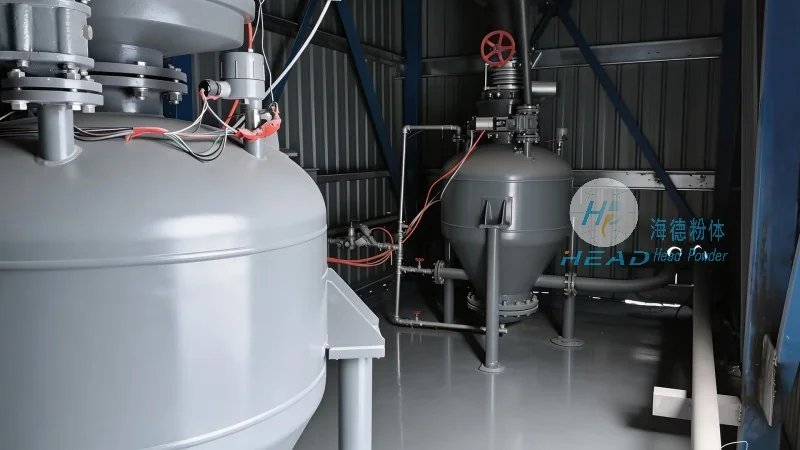
The design of a pneumatic conveying system for white lime materials is a complex process that requires careful consideration of several critical factors. The first principle is the selection of the appropriate conveying method based on the material’s characteristics. For example, if the lime powder is fine and has good flowability, a dilute-phase system may be more suitable, as it minimizes pressure drop and energy consumption. Conversely, if the material is cohesive or has high moisture content, a dense-phase system might be preferred to prevent material degradation and ensure consistent flow.
Another crucial design principle is the calculation of air velocity and pressure. The air velocity must be sufficient to keep the material particles suspended but not so high as to cause excessive wear on the system components. The pressure drop along the conveying line is also a key consideration, as it directly impacts the energy consumption of the system. Engineers use empirical formulas and computational fluid dynamics (CFD) simulations to optimize these parameters, ensuring that the system operates within safe and efficient limits.
Components of a Typical Pneumatic Conveying System for White Lime Materials
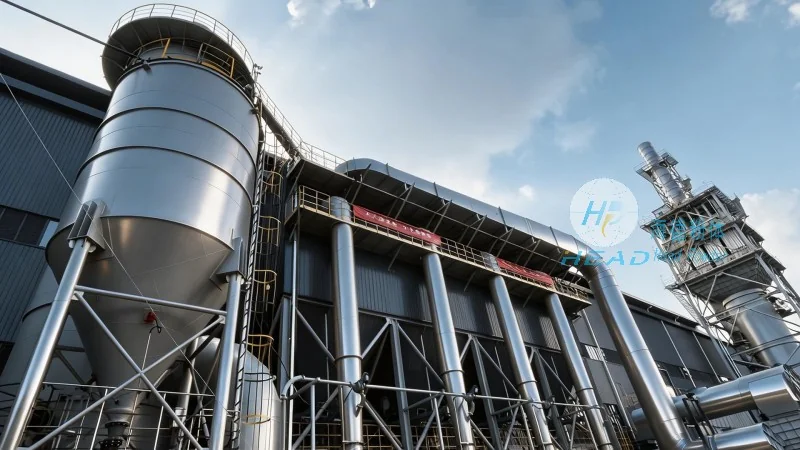
A pneumatic conveying system for white lime materials typically consists of several key components, each playing a vital role in the overall operation. The primary components include a material feed hopper, a conveyor line (either horizontal or vertical), a dust collector, and a control system. The feed hopper is designed to store and feed the white lime material into the system at a controlled rate, preventing overloading and ensuring consistent flow. The conveyor line, often made of stainless steel or other corrosion-resistant materials, transports the material from the feed point to the discharge point. For vertical conveying, special designs such as pulse-jet or rotary valves are used to maintain material flow and prevent clogging.




