

What is a gelatin powder pneumatic conveying line? What is its design principle?
When it comes to handling gelatin powder in industrial settings, the choice of a pneumatic conveying system can significantly impact efficiency and product quality. A gelatin powder pneumatic conveying line is a specialized piece of equipment designed to transport gelatin powder through a system of pipes using air or other gas as the conveying medium. This method offers advantages such as reduced product contamination, improved safety, and the ability to handle materials that are difficult to transport by traditional methods like bulk bags or conveyor belts.
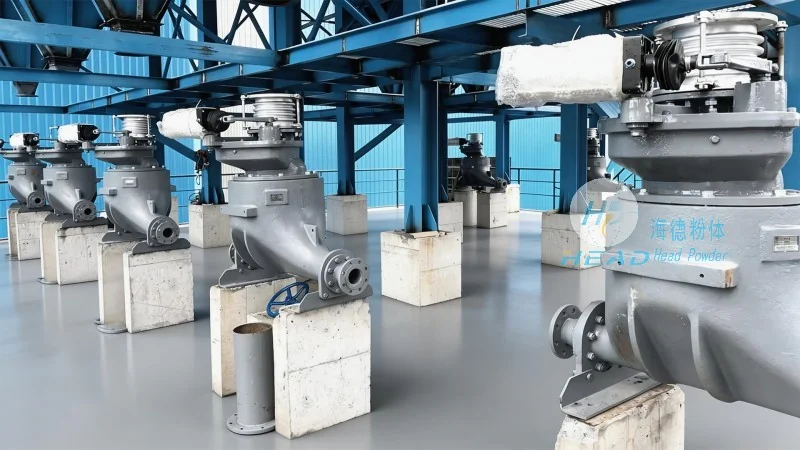
Introduction to Gelatin Powder Pneumatic Conveying Lines
Gelatin powder, derived from collagen, is widely used in food, pharmaceutical, and cosmetic industries due to its gelling properties. However, its physical characteristics—such as hygroscopicity, tendency to agglomerate, and varying particle sizes—make it challenging to transport efficiently. A pneumatic conveying line addresses these challenges by using air pressure to move the powder through a sealed system. This approach not only ensures a clean and hygienic transfer but also minimizes the risk of cross-contamination, which is critical in industries where product purity is paramount.
Design Principles of Gelatin Powder Pneumatic Conveying Systems
The design of a gelatin powder pneumatic conveying line is based on several key principles that ensure optimal performance and reliability. The first principle is the selection of the appropriate conveying method—either positive pressure (where air is blown into the system to push the powder) or negative pressure (where air is drawn out to pull the powder). For gelatin powder, positive pressure systems are often preferred because they provide better control over the flow and can handle materials with higher moisture content or more cohesive properties. The system typically includes a hopper for material storage, a feeder to control the flow rate, a pipeline network, and a receiver for the delivered powder.
Another critical design consideration is the air-to-solid ratio, which refers to the volume of air used per unit mass of powder. This ratio is carefully calculated to ensure that the powder is fully suspended and transported without causing excessive wear on the system components. For gelatin powder, a lower air-to-solid ratio may be used compared to other powders, as gelatin has a higher density and can be more easily suspended at lower air velocities. The design also incorporates features to prevent material buildup and blockages, such as cyclone separators and rotary valves, which are essential for maintaining consistent flow rates and preventing product degradation.
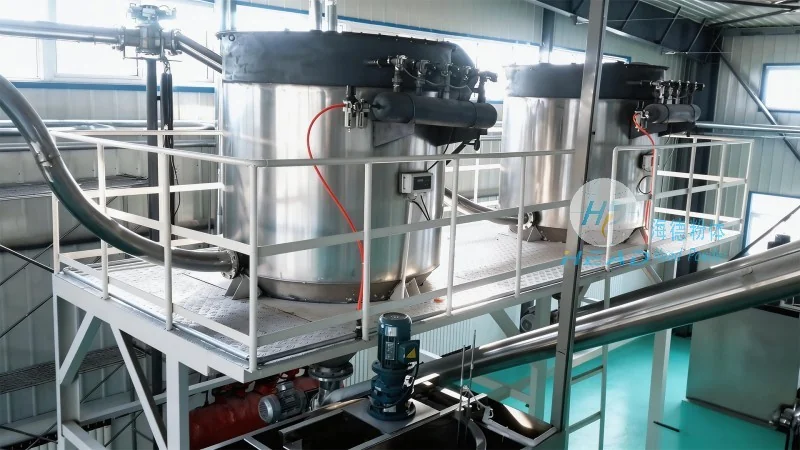
Components and Functionality of the Conveying Line
A gelatin powder pneumatic conveying line consists of several interconnected components, each playing a vital role in the overall operation. The hopper serves as the storage vessel, providing a large capacity to accommodate bulk quantities of gelatin powder. It is equipped with a discharge valve that allows the powder to be released into the feeder in a controlled manner. The feeder, often a rotary valve or a screw feeder, regulates the flow rate of the powder into the pipeline, ensuring a steady and consistent supply to the conveying system.
The pipeline network is the backbone of the system, made from materials such as stainless steel or food-grade plastic to prevent contamination and corrosion. The design of the pipeline includes bends, elbows, and straight sections, all optimized to minimize pressure loss and maintain the velocity of the air-powder mixture. Cyclone separators are installed at the end of the pipeline to separate the powder from the air stream, collecting the gelatin powder in a receiver. The air is then filtered and returned to the system or vented to the atmosphere, depending on the system configuration.
Key Design Considerations for Optimal Performance
Designing a pneumatic conveying system for gelatin powder requires careful consideration of several factors to ensure long-term performance and minimal maintenance. One of the primary considerations is the material's hygroscopic nature, which can lead to moisture absorption and increased stickiness. The system must be designed with smooth surfaces and minimal dead zones to prevent material buildup and ensure easy cleaning. Additionally, the system should be equipped with pressure relief valves and safety interlocks to prevent over-pressurization and ensure operator safety.
The choice of air source and filtration is another critical aspect. High-quality air filters are essential to prevent dust and contaminants from entering the system and affecting the gelatin powder's quality. The air compressor or blower used to generate the conveying air must be selected based on the required pressure and flow rate, ensuring that it can handle the specific characteristics of gelatin powder without causing excessive noise or vibration.
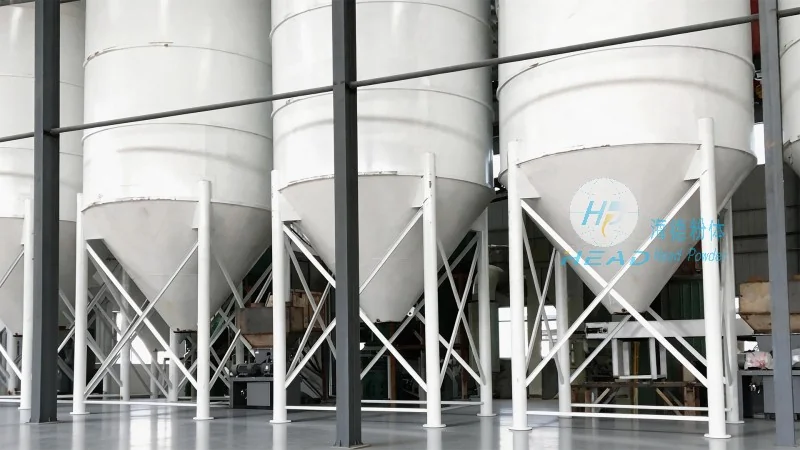
Applications and Benefits in Industrial Settings
Gelatin powder pneumatic conveying lines are widely used in various industries where gelatin is a key ingredient. In the food industry, they are used to transport gelatin from storage to production lines for use in confectionery, beverages, and meat products. In the pharmaceutical industry, the system ensures a sterile and hygienic transfer of gelatin powder used in drug formulations and supplements. The cosmetic industry also benefits from these systems, as they help maintain the purity and quality of gelatin used in skincare and haircare products.
The benefits of using a pneumatic conveying line for gelatin powder extend beyond just efficient transport. The sealed system minimizes exposure to air and moisture, preserving the powder's quality and extending its shelf life. It also reduces the risk of dust inhalation by employees, improving workplace safety. Furthermore, the system's ability to handle varying flow rates and distances makes it versatile for different production scales, from small-scale laboratories to large-scale manufacturing plants.
Conclusion and Company Overview
Understanding the design principles and components of a gelatin powder pneumatic conveying line is essential for optimizing material handling in industrial applications. The system's ability to transport gelatin powder efficiently, safely, and hygienically makes it a preferred choice for many industries. Shandong HeadPowder Engineering Co., Ltd. (headpowder), a leading manufacturer based in China, specializes in designing and manufacturing customized pneumatic conveying systems tailored to the specific needs of gelatin powder handling. With a focus on quality, reliability, and customer satisfaction, headpowder provides solutions that enhance productivity and ensure product integrity. The company's expertise in material handling technology, combined with its commitment to innovation, makes it a trusted partner for businesses seeking efficient and effective gelatin powder conveying solutions.