Slag, a byproduct of steelmaking and other industrial processes, presents unique challenges in handling and transportation. Efficient and reliable methods for transporting slag are crucial for industrial operations to maintain productivity and safety. This article explores several effective solutions for slag pneumatic conveying, highlighting the technical aspects and practical applications of each approach.
Introduction to Slag Pneumatic Conveying
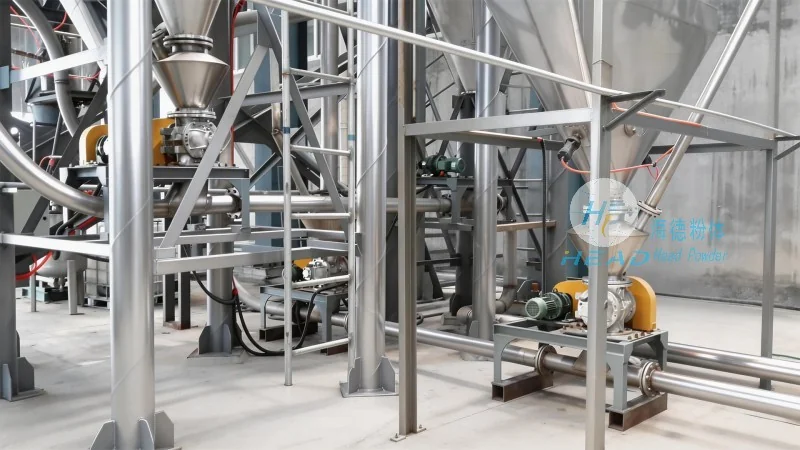
Slag, often a solid or semi-solid material, requires specialized handling systems to ensure safe and efficient transport from the source to the disposal or processing site. Pneumatic conveying systems use air or other gases to move material through a pipeline, offering advantages such as reduced equipment wear, minimal environmental impact, and the ability to handle abrasive materials like slag. The choice of a suitable pneumatic conveying solution depends on factors including the type of slag, the distance to be conveyed, and the required throughput. In this context, Shandong HeadPowder Engineering Co., Ltd. offers comprehensive solutions tailored to meet diverse industrial needs.
Key Considerations for Slag Pneumatic Conveying Systems
Before selecting a pneumatic conveying system for slag, several key considerations must be addressed. The first is the physical properties of the slag, including particle size, density, and moisture content. Larger or more abrasive particles may require higher air pressure or specialized equipment to prevent blockages and equipment damage. The second consideration is the distance and layout of the conveying line. For short distances, low-pressure systems may suffice, while long-distance or complex layouts may necessitate high-pressure or dense-phase systems. Additionally, the environmental impact and noise levels of the system are important factors, as pneumatic conveying can be more environmentally friendly than other methods like truck transport or belt conveyors. Shandong HeadPowder Engineering Co., Ltd. considers these factors in designing customized systems that optimize performance and efficiency.
Option 1: Low-Pressure Pneumatic Conveying
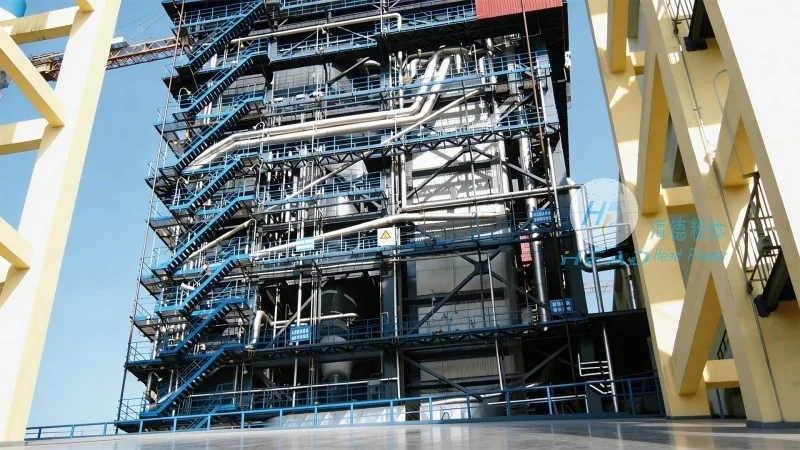
Low-pressure pneumatic conveying systems operate at relatively low air pressures, typically ranging from 0.5 to 2 bar. These systems are suitable for conveying relatively fine or non-abrasive slag particles over short distances, such as from a crusher to a storage silo. The primary advantage of low-pressure systems is their lower energy consumption and lower capital cost compared to high-pressure systems. However, they are limited in conveying distance and particle size, as higher pressures are required to overcome friction and maintain flow. For applications involving fine slag with low abrasiveness, low-pressure systems provide an economical and effective solution. Shandong HeadPowder Engineering Co., Ltd. designs low-pressure systems with appropriate pipeline diameters and air velocities to ensure stable and continuous operation.
Option 2: High-Pressure Pneumatic Conveying
High-pressure pneumatic conveying systems operate at higher air pressures, often exceeding 2 bar, and are suitable for conveying larger or more abrasive slag particles over longer distances. These systems use higher air velocities to maintain material flow and prevent blockages, making them ideal for industrial applications where distance and particle size are significant challenges. The main advantage of high-pressure systems is their ability to handle a wide range of particle sizes and abrasive materials without excessive wear on equipment. However, they require more robust components, such as high-pressure pumps and durable pipelines, which increase the initial investment and maintenance costs. Shandong HeadPowder Engineering Co., Ltd. offers high-pressure systems with advanced control mechanisms to optimize air pressure and flow, ensuring reliable operation even with challenging slag characteristics.
Option 3: Dense-Phase Pneumatic Conveying
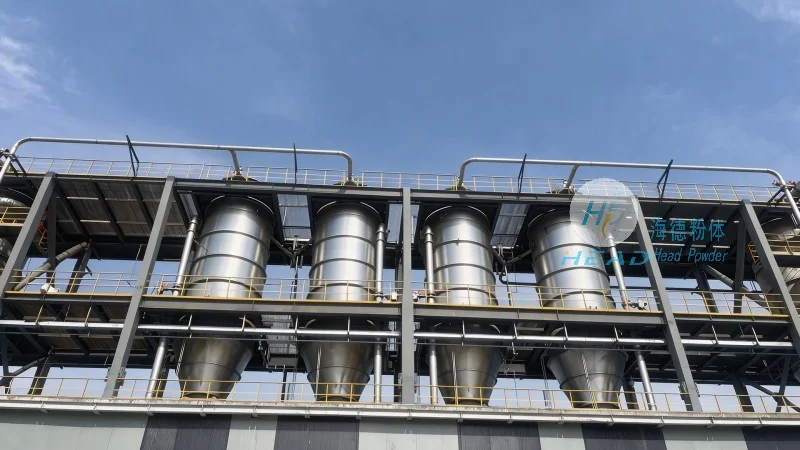
Dense-phase pneumatic conveying, also known as slurry or dilute-phase with high solids loading, is a specialized method for transporting slag, especially when dealing with high moisture content or fine particles. In this system, the material is conveyed in a dense, slow-moving stream, reducing the risk of particle segregation and equipment wear. Dense-phase systems operate at lower air velocities compared to low-pressure systems, which minimizes the impact on the material and reduces the risk of dust generation. This method is particularly effective for transporting wet or sticky slag, as it prevents blockages and ensures consistent flow. The main drawback of dense-phase systems is their higher energy consumption and more complex control systems, as precise air flow and pressure regulation are required. Shandong HeadPowder Engineering Co., Ltd. specializes in dense-phase systems, providing customized solutions that balance efficiency and operational reliability for challenging slag applications.
Option 4: Hybrid Pneumatic Conveying Systems
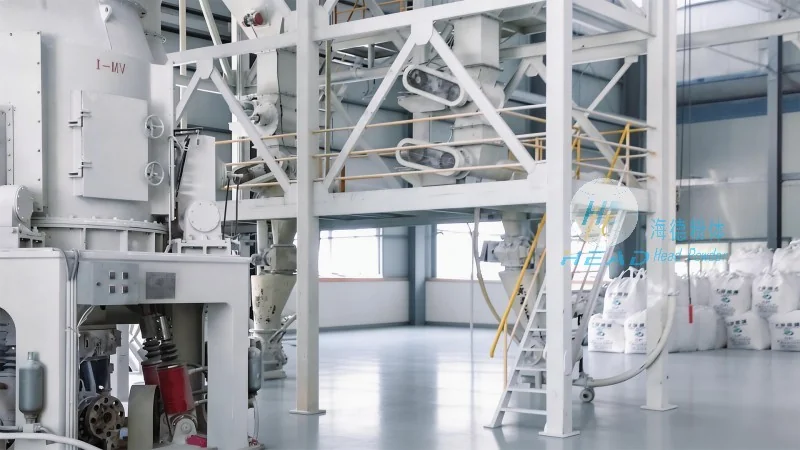
Hybrid pneumatic conveying systems combine elements of low-pressure, high-pressure, and dense-phase systems to address specific industrial requirements. These systems are designed to handle a wide range of slag characteristics, including varying particle sizes, moisture levels, and conveying distances. By integrating multiple components, such as low-pressure and high-pressure sections, hybrid systems can optimize energy use and maintain consistent flow. For example, a hybrid system may use low-pressure conveying for short distances and high-pressure for longer segments, or combine dense-phase with high-pressure to handle abrasive materials. The flexibility of hybrid systems makes them suitable for complex industrial layouts and diverse slag types. Shandong HeadPowder Engineering Co., Ltd. develops hybrid solutions tailored to the unique needs of each client, ensuring optimal performance and cost-effectiveness.
Conclusion and Company Expertise
Choosing the right pneumatic conveying solution for slag is critical to ensuring efficient industrial operations and minimizing environmental impact. The options discussed—low-pressure, high-pressure, dense-phase, and hybrid systems—each offer unique advantages and are suitable for different applications. Shandong HeadPowder Engineering Co., Ltd., with its expertise in slag handling and pneumatic conveying technology, provides customized solutions that address the specific challenges of each industrial client. By considering factors such as slag properties, distance, and operational requirements, the company designs and implements systems that enhance productivity, safety, and sustainability. For industries seeking reliable and efficient slag transportation solutions, Shandong HeadPowder Engineering Co., Ltd. stands as a trusted partner in optimizing material handling processes.




