For industries dealing with rare earth materials, the efficiency and cleanliness of material handling processes are critical factors that directly impact production costs and environmental compliance. Traditional methods such as manual handling or mechanical conveyors often fall short in meeting the stringent demands of modern rare earth processing, especially when it comes to maintaining material purity and reducing operational downtime. In response to these challenges, pneumatic conveying technology has emerged as a leading solution, offering a more efficient, hygienic, and environmentally friendly approach to transporting rare earth powders and other fine materials. This article provides a detailed overview of pneumatic conveying technology, its applications in the rare earth industry, and how it enhances the overall efficiency of material transport processes.
Introduction to Pneumatic Conveying Technology
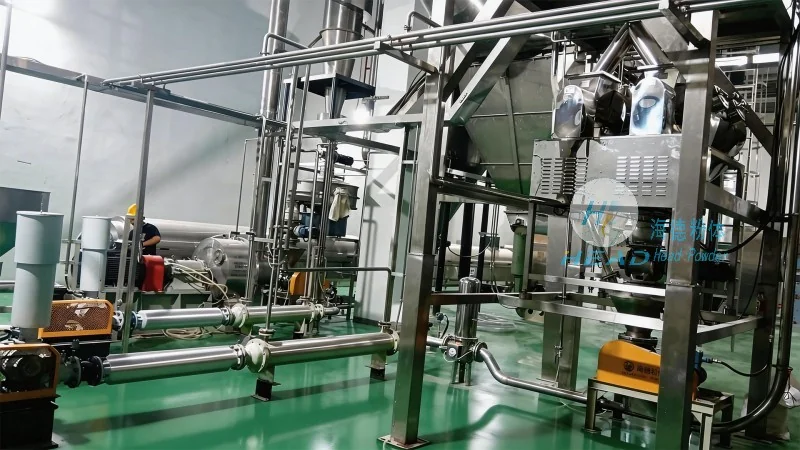
Pneumatic conveying, also known as air conveying, is a method of transporting bulk materials through a pipeline using a stream of air. This technology can be broadly categorized into two main types: dilute phase and dense phase. Dilute phase systems use low air velocities to move materials in a relatively dilute state, while dense phase systems employ higher air pressures and lower velocities to move materials in a more concentrated form. Both types offer advantages depending on the specific material characteristics and the distance or height of the transport. For rare earth materials, which are often fine powders with high value and potential environmental sensitivity, the choice of pneumatic conveying system is crucial to ensure minimal degradation and contamination.
Key Advantages of Pneumatic Conveying for Rare Earth Materials
When compared to traditional mechanical conveyors, pneumatic conveying offers several distinct advantages that make it an ideal choice for rare earth material transport. Firstly, it provides a completely enclosed system, which prevents dust emissions and protects the material from external contaminants. This is particularly important for rare earth powders, as they are often sensitive to moisture and can degrade if exposed to air or other elements. Secondly, pneumatic conveying systems can handle materials with a wide range of particle sizes and moisture content, making them versatile for various rare earth processing stages. Thirdly, these systems are highly efficient in terms of energy consumption and can transport materials over long distances or vertical heights without the need for multiple transfer points. Additionally, the enclosed nature of the system reduces the risk of material loss and improves workplace safety, aligning with modern industrial standards.
How Pneumatic Conveying Enhances Rare Earth Processing Efficiency
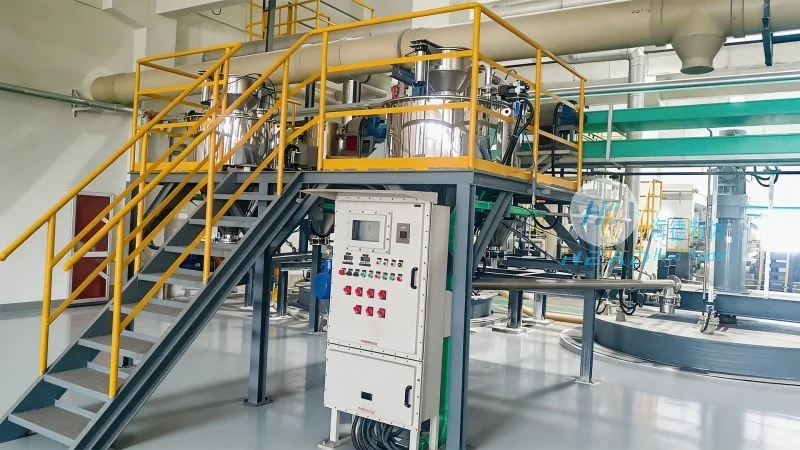
The integration of pneumatic conveying technology into rare earth processing plants can significantly improve overall operational efficiency. By eliminating the need for manual handling and reducing the number of transfer points, the risk of material spillage and contamination is minimized. This not only saves on material costs but also reduces the time spent on cleaning and maintenance. Furthermore, the enclosed system allows for better control over the material's temperature and moisture levels, which is essential for maintaining the quality of rare earth products. In many cases, pneumatic conveying systems can increase the throughput of material handling operations by up to 50% or more compared to traditional methods, leading to higher production rates and reduced operational costs. The ability to transport materials directly from processing equipment to storage or further processing stages without intermediate handling also streamlines the workflow, reducing bottlenecks and improving overall plant productivity.
Case Study: Application of Pneumatic Conveying in a Rare Earth Processing Plant
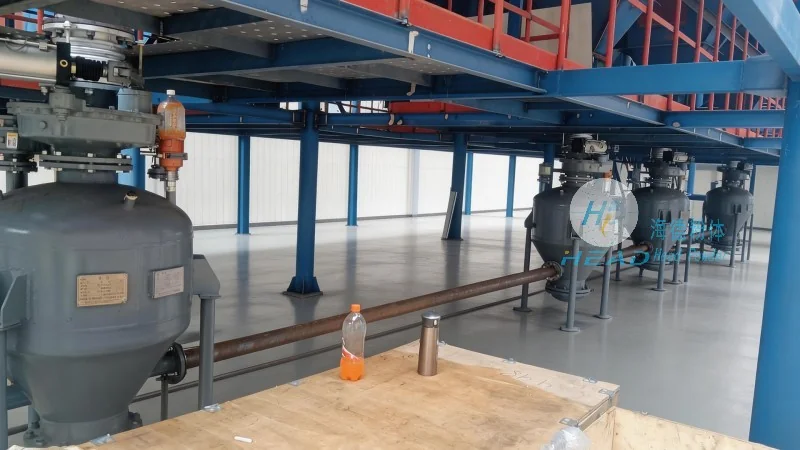
Shandong HeadPowder Engineering Co., Ltd., a leading provider of material handling solutions, has successfully implemented pneumatic conveying systems in several rare earth processing facilities. One notable case involved a client in China's Shandong province, where the company installed a dilute phase pneumatic conveying system to transport rare earth oxide powders from grinding mills to storage silos. The system was designed to handle fine powders with a particle size range of 5-200 microns, ensuring minimal degradation during transport. The results were immediate and significant: the plant experienced a 40% reduction in material loss, a 30% decrease in cleaning time, and a 25% increase in overall production capacity. The enclosed system also eliminated dust emissions, improving workplace air quality and meeting local environmental regulations. This success story highlights the practical benefits of pneumatic conveying technology in real-world rare earth processing applications.
Choosing the Right Pneumatic Conveying System for Rare Earth Materials
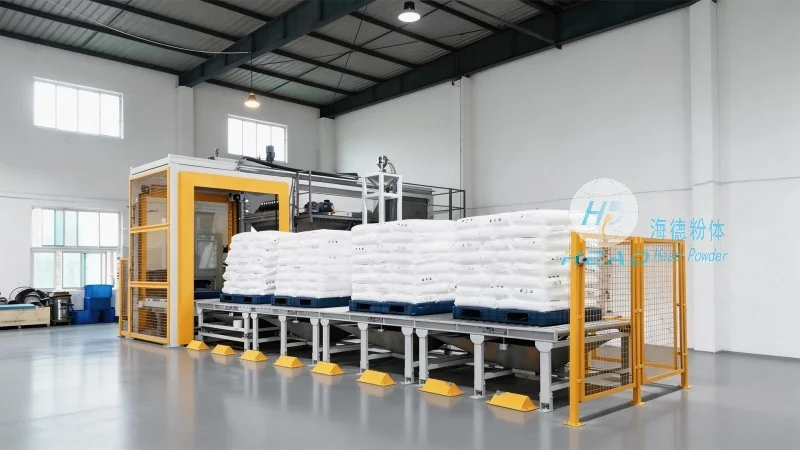
When selecting a pneumatic conveying system for rare earth material transport, several factors must be considered to ensure optimal performance and cost-effectiveness. The first consideration is the material's physical properties, including particle size, density, moisture content, and flowability. These characteristics will determine whether a dilute phase or dense phase system is more suitable. For example, fine powders with low bulk density are better suited for dilute phase systems, while coarser or more abrasive materials may require dense phase systems to prevent pipeline wear. The distance and height of the transport also play a critical role, as different system designs are optimized for specific vertical and horizontal distances. Additionally, the system's capacity and pressure requirements must align with the plant's production needs. Consulting with experienced engineers, such as those at Shandong HeadPowder Engineering Co., Ltd., can help in selecting the most appropriate system based on these factors, ensuring long-term reliability and efficiency.
Conclusion: The Future of Clean and Efficient Rare Earth Transport
In conclusion, pneumatic conveying technology represents a significant advancement in the efficient and clean transport of rare earth materials. By offering a completely enclosed, low-maintenance, and highly versatile system, it addresses the key challenges faced by modern rare earth processing industries. The benefits, including reduced material loss, improved workplace safety, and enhanced operational efficiency, make it a compelling choice for companies looking to optimize their material handling processes. As the demand for rare earth materials continues to grow, the adoption of advanced technologies like pneumatic conveying will be essential for meeting production targets while maintaining environmental standards. With companies like Shandong HeadPowder Engineering Co., Ltd. providing specialized solutions, the future of rare earth material transport is increasingly focused on clean, efficient, and sustainable practices.




