HeadPowder, a leading engineering firm based in Shandong, China, specializes in the design and implementation of advanced pneumatic conveying systems tailored for carbon material handling. With a strong focus on precision engineering and operational efficiency, the company provides comprehensive solutions that address the unique challenges associated with transporting carbon-based powders and granules. This article outlines key design considerations essential for optimizing the performance and reliability of carbon material pneumatic conveying systems.
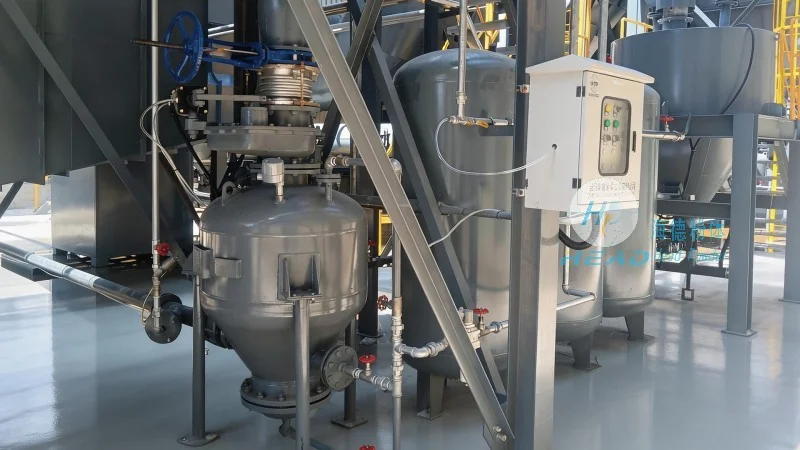
System Design Fundamentals for Carbon Material Handling
The successful design of a carbon material pneumatic conveying system begins with a thorough understanding of the material properties and the operational requirements. Carbon powders and granules often exhibit characteristics such as high abrasiveness, varying particle sizes, and potential reactivity, which necessitate specialized design approaches. Key considerations include material flow analysis, pressure drop calculations, and the selection of appropriate air velocities to ensure smooth and efficient transport. Engineers at HeadPowder employ advanced computational fluid dynamics (CFD) and material testing to simulate and optimize system performance, ensuring that the chosen design parameters align with the specific application needs.
Key Components and Their Role in Carbon Material Conveying
At the core of any pneumatic conveying system are several critical components that work in tandem to facilitate material transport. The feed hopper, for instance, is designed to handle the bulk storage and controlled release of carbon materials, minimizing material degradation and ensuring consistent flow rates. The conveyor itself, which can be either positive or negative pressure, is engineered to maintain the desired air velocity and pressure levels. For carbon materials, which may be sensitive to moisture or air exposure, components like airlocks and rotary valves are crucial for preventing contamination and maintaining material integrity. Additionally, the system includes filters and cyclones to separate the conveyed material from the air stream, ensuring clean operation and compliance with environmental regulations. HeadPowder's expertise lies in selecting and integrating these components to create a cohesive system that maximizes efficiency and minimizes downtime.
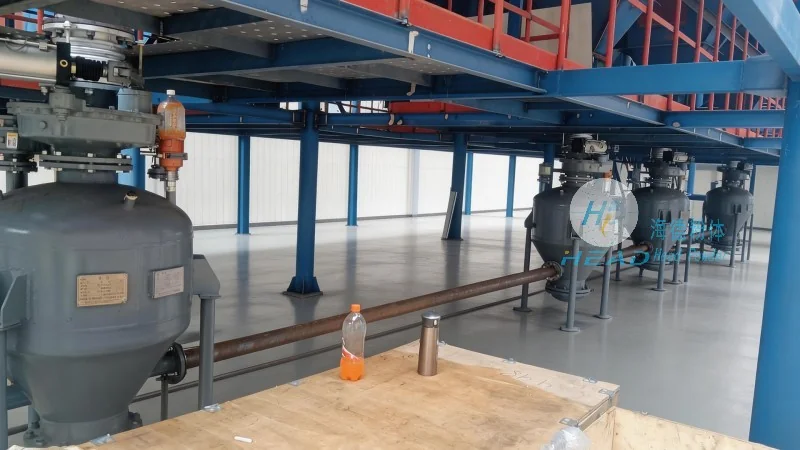
Optimizing Airflow and Pressure Management
Effective airflow management is paramount in carbon material pneumatic conveying systems. The air velocity must be carefully controlled to prevent material deposition or blockages while ensuring that the entire conveying line remains clear. Engineers at HeadPowder utilize precise pressure drop calculations to determine the optimal air pressure and flow rates. This involves analyzing the length of the conveying line, the number of bends, and the type of carbon material being transported. By optimizing these parameters, the system can achieve high throughput with minimal energy consumption. Moreover, the design incorporates pressure relief valves and surge tanks to manage fluctuations and protect the system from overpressure conditions. These measures not only enhance operational safety but also contribute to the longevity of the equipment.
Material Handling Challenges and Solutions
Carbon materials present unique challenges in pneumatic conveying due to their physical and chemical properties. For example, some carbon powders may be hygroscopic, requiring moisture control measures to prevent clumping or caking. HeadPowder addresses this by integrating drying or dehumidification systems into the conveying process. Similarly, abrasive carbon materials can cause wear on system components, necessitating the use of high-quality, wear-resistant materials for hoppers, pipes, and valves. The company's design approach includes material selection and component reinforcement to mitigate wear and extend the service life of the system. Furthermore, the system is designed to accommodate variations in material density and flow characteristics, ensuring consistent performance even with changes in feed rates or material composition.
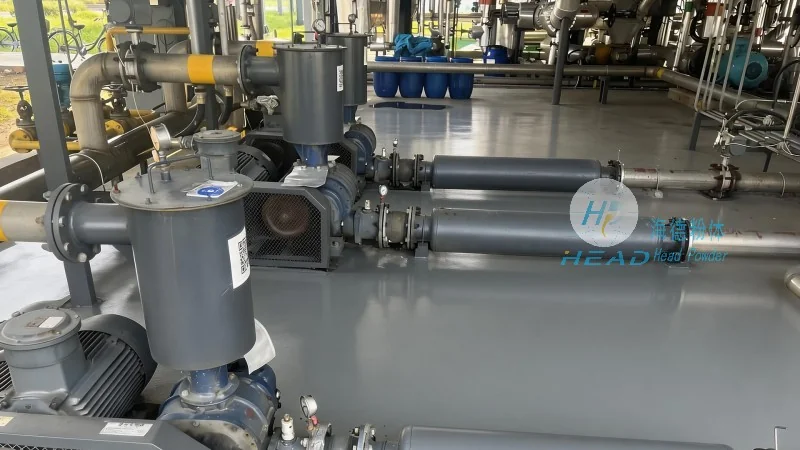
Integration with Production Processes
A carbon material pneumatic conveying system is often integrated into larger production lines, requiring seamless coordination with other equipment such as mixers, reactors, or packaging units. HeadPowder specializes in designing systems that can be easily integrated with existing infrastructure, minimizing disruption to current operations. The design process includes detailed interface analysis to ensure that the conveying system communicates effectively with upstream and downstream equipment. This integration is critical for maintaining production efficiency and achieving consistent product quality. By providing customized solutions that align with the client's production workflow, HeadPowder ensures that the pneumatic conveying system becomes a reliable and integral part of the overall manufacturing process.
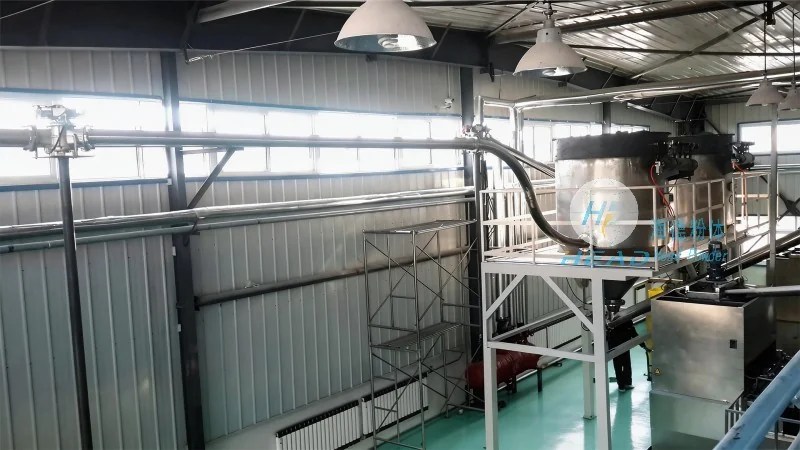
Maintenance and Operational Considerations
Proper maintenance is essential for the long-term reliability of a carbon material pneumatic conveying system. HeadPowder emphasizes the importance of regular inspections, cleaning, and component replacement to prevent system failures. The design incorporates easy access points for maintenance personnel, allowing for quick and efficient servicing. Additionally, the system includes monitoring devices to track pressure, flow, and temperature, providing real-time data for operational adjustments. By implementing proactive maintenance strategies, the system can achieve high availability and minimize downtime. HeadPowder's after-sales support includes comprehensive maintenance plans and technical assistance, ensuring that clients can rely on the system's performance over its entire lifespan.
Environmental and Safety Compliance
Carbon material pneumatic conveying systems must comply with environmental and safety regulations to ensure safe and sustainable operation. The design incorporates dust collection and filtration systems to minimize air emissions and protect the environment. For carbon materials that may pose health risks, the system includes enclosed conveying lines and proper ventilation to prevent exposure to personnel. HeadPowder adheres to international safety standards and environmental regulations, ensuring that the systems are designed with safety as a top priority. The company's commitment to compliance extends to providing documentation and training to clients, helping them meet regulatory requirements and maintain a safe working environment.




