

What is a Cement Dry Powder Material Conveying Line? What Are Its Design Principles?
For industrial operations that handle bulk dry powders, such as cement, a specialized system is often required to transport these materials efficiently and safely. This article explores the concept of a cement dry powder material conveying line, detailing its design principles and practical applications in industrial settings.
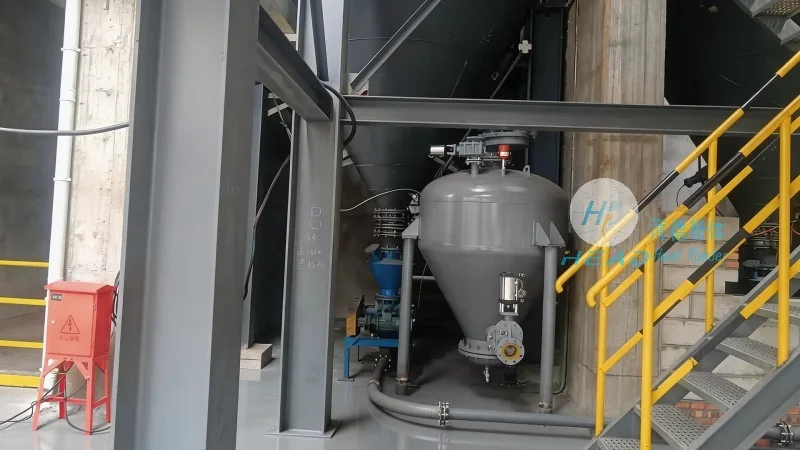
Understanding the Cement Dry Powder Material Conveying Line
A cement dry powder material conveying line is a sophisticated system engineered to transport dry powders, particularly cement, from one location to another within a facility or between different facilities. These systems are designed to handle the unique properties of cement, including its fine particle size, high moisture sensitivity, and potential for dust generation. The primary goal of such a line is to ensure efficient, reliable, and safe material transfer while minimizing operational risks and maintaining product quality.
Key Design Principles for Efficient Material Handling
The design of a cement dry powder material conveying line is guided by several critical principles to ensure optimal performance. First, the system must address the challenges posed by the material's physical properties. Cement particles are typically very fine, which can lead to issues like caking, blockages, and increased friction within the conveying equipment. To mitigate these risks, the design incorporates features such as smooth, non-stick surfaces, and appropriate angles of inclination to prevent material buildup. Additionally, the system is engineered to maintain low moisture levels, as excess moisture can cause clumping and reduce the material's flowability.
Second, the conveying line is designed for energy efficiency and operational reliability. The choice of components, such as screw conveyors, pneumatic conveying systems, or bucket elevators, is based on factors like the material's characteristics, the distance to be covered, and the required throughput. For example, screw conveyors are commonly used for horizontal or slight incline transport due to their simplicity and effectiveness in handling dry powders. Pneumatic conveying systems, on the other hand, are ideal for longer distances or when the material needs to be transported in a closed environment to control dust and maintain air quality.
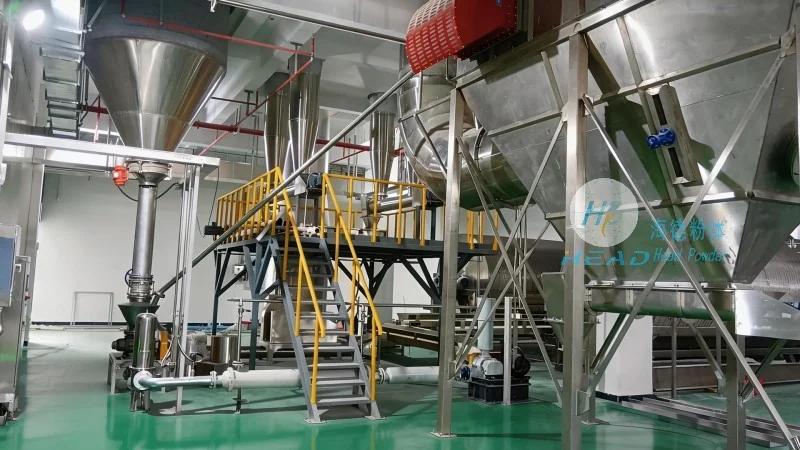
Third, safety and environmental considerations are paramount in the design. Cement dust is a known health hazard, and the system incorporates dust collection and filtration systems to ensure compliance with environmental regulations and protect personnel. The design also includes features like explosion-proof components and emergency shut-off mechanisms to prevent accidents and ensure worker safety.
Components and Functional Aspects of the Conveying Line
The cement dry powder material conveying line consists of several key components that work in tandem to achieve efficient material transfer. The primary components include the feeding hopper, which stores and feeds the material into the conveying system; the conveyor itself, which transports the material; and the discharge hopper, which delivers the material to its final destination. The feeding hopper is designed to minimize material degradation and prevent air entrainment, which can affect the material's flow properties. The conveyor may be a screw conveyor, which uses rotating screws to push the material forward, or a pneumatic system, which uses air pressure to move the material through a pipeline.
Another critical component is the dust collection system, which captures and filters the fine cement particles that are released during the conveying process. This system typically includes a filter, such as a baghouse or cartridge filter, and a fan to draw air through the filter and return clean air to the facility. The design of the dust collection system is crucial to maintaining air quality and preventing dust accumulation in the facility.
Applications and Benefits in Industrial Settings
Cement dry powder material conveying lines are widely used in various industrial applications, including cement production plants, construction sites, and manufacturing facilities that require bulk handling of dry powders. In cement production, these systems are essential for transporting raw materials and finished cement products between different stages of the production process. For example, raw materials like limestone and clay are conveyed from storage to the grinding mills, while finished cement is transported to storage silos or shipping containers.
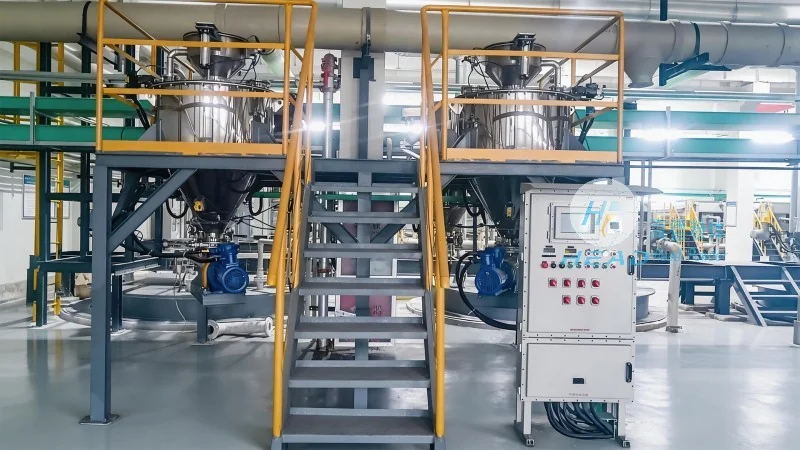
In construction sites, the conveying line is used to transport cement from storage silos to mixing stations or job sites. This ensures a consistent and reliable supply of cement, which is critical for maintaining the quality and strength of concrete. The system also helps to reduce labor costs and improve safety by minimizing the need for manual handling of heavy bags of cement.
The benefits of using a cement dry powder material conveying line extend beyond efficiency and safety. By automating the material handling process, the system reduces the risk of human error and improves the consistency of material delivery. This, in turn, enhances the overall quality of the final product and reduces waste. Additionally, the system can be integrated with other industrial processes, such as batching and mixing, to create a fully automated production line.
Conclusion
In conclusion, a cement dry powder material conveying line is a vital component of modern industrial operations, designed to handle the unique challenges of transporting dry powders like cement. The system's design is guided by principles of efficiency, safety, and reliability, incorporating specialized components and features to address the material's physical properties and operational requirements. As industrial processes continue to evolve, the importance of such systems in ensuring smooth and safe material handling will only grow. For businesses in the cement and construction industries, investing in a well-designed conveying line is a strategic decision that can enhance productivity, reduce costs, and improve overall operational performance.