Continuous powder handling equipment is a critical component in various industrial sectors, including pharmaceuticals, food processing, and chemical manufacturing. These systems are designed to transport bulk powders efficiently and reliably over long distances, ensuring consistent material flow and minimizing downtime. The operation and working principles of such equipment are essential for optimizing production processes and maintaining product quality.
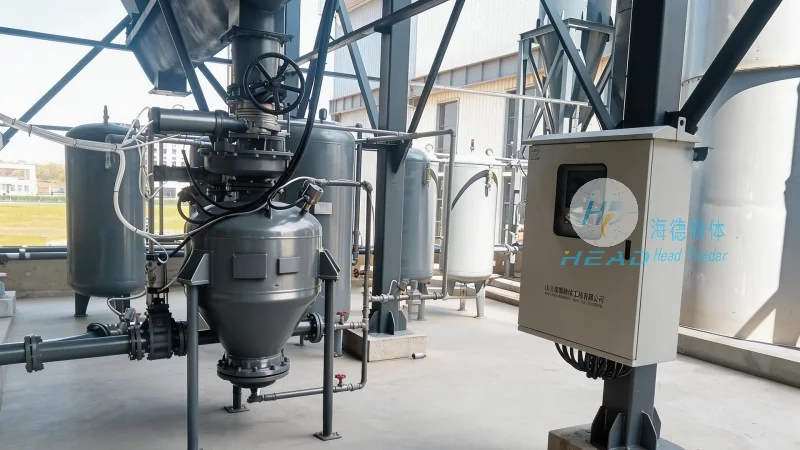
Company Overview: Shandong HeadPowder Engineering Co., Ltd.
Headpowder, a leading manufacturer based in Shandong, China, specializes in the design, development, and supply of advanced powder handling solutions. With a strong commitment to innovation and quality, the company has established itself as a trusted partner for industries requiring reliable and efficient powder transport systems. The company’s headquarters is located in Shandong, China, where it leverages local expertise and resources to deliver tailored solutions that meet global standards.
Key Components and Their Functions
The continuous powder handling system typically consists of several key components, each playing a vital role in the overall operation. These components include the feeding mechanism, conveying system, control unit, and discharge equipment. The feeding mechanism is responsible for introducing the powder into the system, ensuring a consistent and controlled flow. The conveying system, which may utilize pneumatic or mechanical methods, transports the powder from the inlet to the outlet. The control unit monitors and regulates the system parameters, such as pressure, flow rate, and temperature, to maintain optimal performance. Finally, the discharge equipment ensures the powder is released at the desired location, completing the transport process.
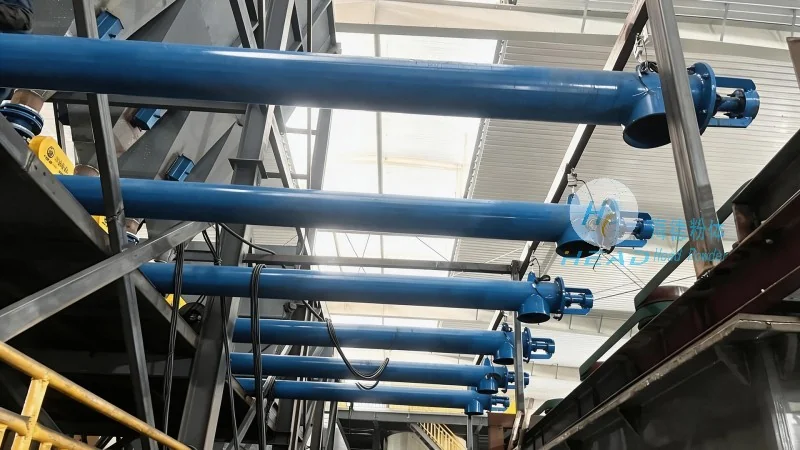
Operation Process of Continuous Powder Handling Equipment
The operation process of continuous powder handling equipment involves several sequential steps that ensure smooth and efficient material transport. The first step is the preparation of the powder, which may include drying, sieving, or blending to achieve the desired consistency. Next, the powder is fed into the system through the feeding mechanism, which may be a hopper or a rotary valve. The feeding rate is controlled to match the conveying capacity of the system. Once the powder is in the conveying system, it is transported using compressed air or mechanical force. The conveying system maintains a consistent pressure and flow rate to prevent blockages and ensure uniform transport. The control unit continuously monitors the system, adjusting parameters as needed to maintain stability. Finally, the powder is discharged at the outlet, where it is collected for further processing or storage. This entire process is automated, allowing for continuous operation with minimal human intervention.
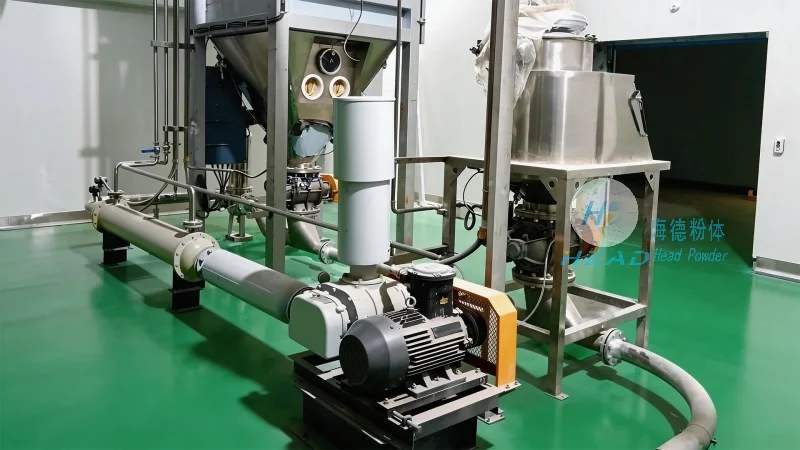
Working Principle of Continuous Powder Handling Equipment
The working principle of continuous powder handling equipment is based on the principles of fluidization and pneumatic transport. In pneumatic conveying systems, the powder is suspended in a stream of air, creating a fluidized state that allows for easy transport. The air pressure and velocity are carefully controlled to ensure the powder particles remain suspended and move smoothly through the system. In mechanical conveying systems, such as screw conveyors or belt conveyors, the powder is transported using rotating components that push or pull the material along the conveyor path. The working principle also involves maintaining proper air-to-powder ratios to prevent clogging and ensure efficient transport. The system’s design, including the size and shape of the components, is optimized to minimize friction and energy consumption, enhancing overall performance.
Benefits and Applications
Continuous powder handling equipment offers numerous benefits to industrial operations, including increased efficiency, reduced labor costs, and improved product quality. The automated nature of these systems minimizes human error and ensures consistent material flow, which is crucial for maintaining product specifications. Additionally, the ability to transport powders over long distances without the need for intermediate storage reduces the risk of contamination and spoilage. The applications of continuous powder handling equipment are diverse, ranging from pharmaceuticals and food processing to chemical and agricultural industries. In pharmaceutical manufacturing, these systems are used to transport active ingredients and excipients, ensuring precise dosing and consistent product quality. In food processing, they are employed to handle ingredients like flour, sugar, and spices, maintaining hygiene and efficiency. In chemical manufacturing, they are used to transport raw materials and intermediates, supporting large-scale production processes.




