Wheat flour bulk handling equipment is a critical component in the flour milling industry, designed to efficiently transport and manage wheat flour from storage to processing areas. This equipment ensures smooth operations, maintains product quality, and enhances overall productivity in flour production facilities. The following sections detail the operation process and working principles of such equipment, providing insights into how these systems function and the key factors that contribute to their effectiveness.
Overview of Wheat Flour Bulk Handling Equipment
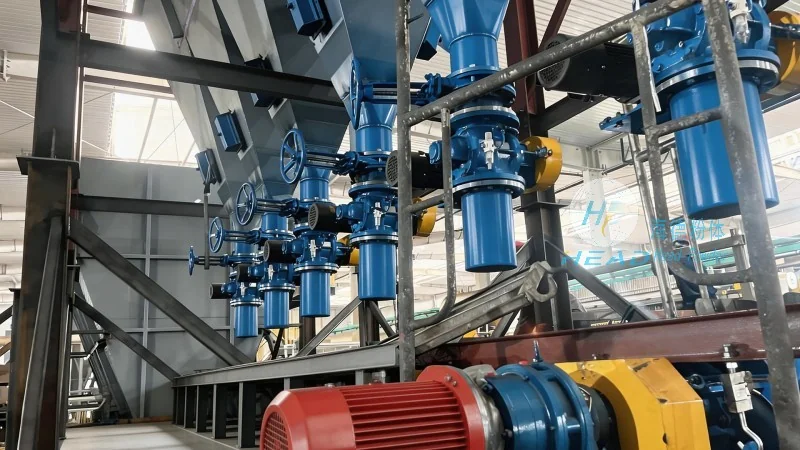
Wheat flour bulk handling equipment, often referred to as bulk handling systems, encompasses a range of machinery and components used to move, store, and distribute wheat flour in bulk quantities. These systems are essential for large-scale flour mills and industrial food processing plants, where the efficient movement of raw materials and finished products is paramount. The equipment typically includes components such as hoppers, conveyors, pneumatic systems, and storage silos, all working in tandem to ensure seamless material flow. The primary goal of these systems is to minimize downtime, reduce labor costs, and maintain the quality and integrity of the wheat flour during transport.
Key Components of Wheat Flour Bulk Handling Systems
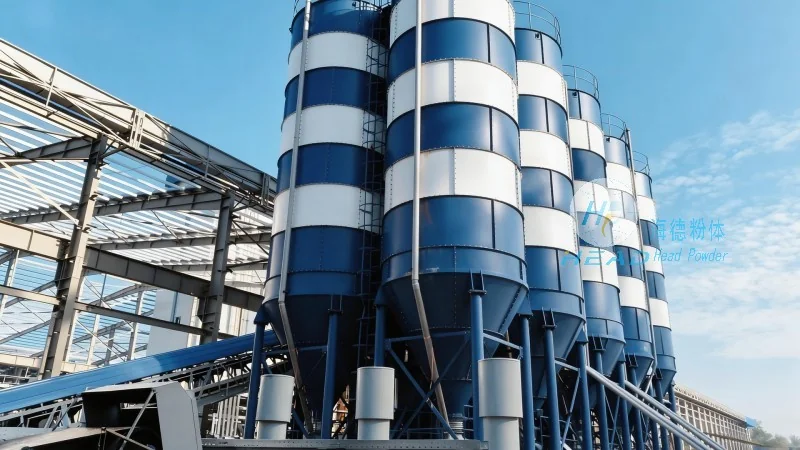
At the core of wheat flour bulk handling equipment are several key components that work together to facilitate the movement of flour. The first component is the hopper or storage silo, which serves as the primary storage unit for wheat flour. These silos are designed to hold large volumes of flour and are often equipped with airtight seals to prevent contamination and moisture absorption. The hopper may also include a discharge valve or gate that controls the flow of flour from the storage area to the next stage of the process. Next, the conveyor system, which can be either mechanical or pneumatic, is responsible for transporting the flour from the hopper to the processing equipment. Mechanical conveyors, such as belt conveyors or screw conveyors, use physical force to move the flour, while pneumatic systems utilize air pressure to create a vacuum or pressure to move the material through pipes. Finally, the discharge equipment, such as a rotary valve or a pneumatic discharge system, regulates the flow of flour from the conveyor to the final destination, ensuring a controlled and consistent output.
Operation Process of Wheat Flour Bulk Handling Equipment
The operation process of wheat flour bulk handling equipment begins with the loading of flour into the storage hopper or silo. This is typically done using a loading system, such as a truck or a bulk loader, which deposits the flour directly into the hopper. Once the hopper is filled, the discharge valve is opened, allowing the flour to flow into the conveyor system. The conveyor then transports the flour to the processing area, where it may be used for further processing or packaging. In pneumatic systems, the flour is drawn from the hopper using a vacuum or pressure, and then transported through a network of pipes to the processing equipment. The speed and direction of the conveyor can be adjusted to control the flow rate of the flour, ensuring that the processing equipment receives the required amount of material at the right time. The discharge equipment at the end of the conveyor system regulates the flow of flour, preventing overloading or underloading of the processing equipment. Throughout the operation process, sensors and control systems monitor the flow rate, pressure, and temperature of the flour, ensuring that the system operates within safe and efficient parameters.
Working Principles of Wheat Flour Bulk Handling Equipment
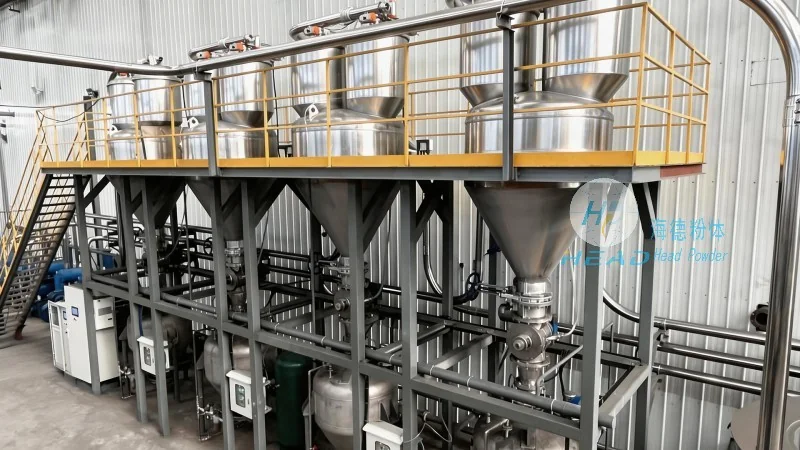
The working principles of wheat flour bulk handling equipment are based on the principles of fluid dynamics and mechanical engineering. For mechanical conveyors, the equipment relies on the force of gravity and the friction between the flour and the conveyor belt or screw to move the material. The speed of the conveyor is adjusted to control the flow rate, and the slope of the conveyor is designed to ensure that the flour moves smoothly without clogging or segregation. For pneumatic systems, the equipment uses the pressure difference between the hopper and the processing area to move the flour through the pipes. The vacuum or pressure created by the system draws the flour from the hopper and transports it to the processing equipment. The size and design of the pipes are critical to the efficiency of the system, as they must be large enough to prevent blockages and small enough to maintain the required pressure. The control system in the pneumatic system regulates the pressure and flow rate, ensuring that the flour is transported at a consistent rate. The discharge equipment at the end of the system uses a rotary valve or a similar mechanism to control the flow of flour, preventing it from being released too quickly or too slowly. The entire system is designed to be efficient, reliable, and safe, with features such as overload protection and emergency shut-off valves to prevent accidents and equipment damage.
Benefits of Using Wheat Flour Bulk Handling Equipment
Wheat flour bulk handling equipment offers several benefits to flour mills and food processing plants. The primary benefit is the increased efficiency and productivity of the system, as it allows for the continuous and automated movement of flour. This reduces the need for manual labor and minimizes downtime, leading to higher output and lower operational costs. The equipment also helps to maintain the quality and integrity of the wheat flour, as it prevents contamination and moisture absorption during transport. The controlled flow rate and consistent output of the system ensure that the processing equipment receives the right amount of material at the right time, reducing waste and improving product quality. Additionally, the equipment is designed to be safe and reliable, with features such as overload protection and emergency shut-off valves that prevent accidents and equipment damage. Overall, the use of wheat flour bulk handling equipment enhances the overall performance of the flour milling process, making it more efficient, cost-effective, and sustainable.
Conclusion
In conclusion, wheat flour bulk handling equipment is a critical component in the flour milling industry, designed to efficiently transport and manage wheat flour from storage to processing areas. The operation process and working principles of these systems are based on the principles of fluid dynamics and mechanical engineering, with key components including hoppers, conveyors, and discharge equipment. The equipment offers several benefits, including increased efficiency, improved product quality, and enhanced safety. By understanding the operation process and working principles of wheat flour bulk handling equipment, flour mills and food processing plants can optimize their operations and improve their overall performance. As the demand for high-quality flour continues to grow, the importance of efficient bulk handling systems will only increase, making them a vital part of the flour milling industry.




