Automatic bulk bag unloading powder conveying lines are sophisticated industrial systems designed to streamline the handling of bulk powders from sealed bags to storage or processing units. These systems are integral to industries such as pharmaceuticals, chemicals, food processing, and manufacturing, where efficient and safe material transfer is critical. Engineered by Shandong HeadPowder Engineering Co., Ltd., a leading provider of industrial material handling solutions based in Shandong, China, these systems integrate advanced automation, robust mechanical components, and precise control systems to minimize human intervention and enhance operational efficiency.
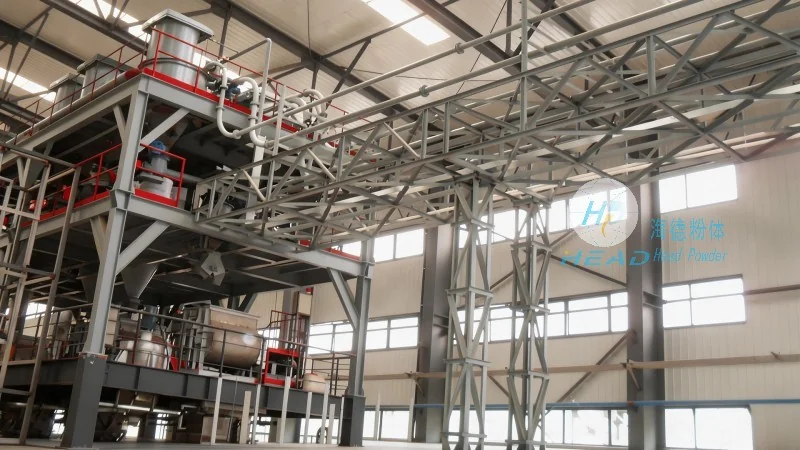
Key Components of the System
The core components of an automatic bulk bag unloading powder conveying line typically include a bulk bag unloader, a hopper or receiving tank, a screw or pneumatic conveyor, a control panel, and sometimes a dust collection system. The bulk bag unloader is responsible for opening the bag, releasing the powder, and guiding it into the hopper. The hopper acts as a buffer, ensuring a steady flow of material to the conveyor. The conveyor system transports the powder from the hopper to the final destination, such as a silo, storage tank, or processing equipment. The control panel manages the entire operation, coordinating the movement of each component and ensuring safety protocols are followed. In some designs, a dust collection system is integrated to capture and filter airborne particles, maintaining a clean and safe working environment.
Operation Process: Step-by-Step Workflow
The operation of an automatic bulk bag unloading powder conveying line follows a systematic sequence to ensure smooth and continuous material handling. The process begins with the placement of a sealed bulk bag onto the unloader's frame. The system then activates, using mechanical arms or rollers to secure the bag and open the top. As the bag is opened, the powder inside is discharged into the hopper below. The hopper, equipped with a level sensor, monitors the material level and signals the conveyor system when it reaches a certain threshold. The conveyor then starts, transporting the powder from the hopper to the next stage of the process. Once the bag is empty, the unloader automatically closes and prepares for the next bag. This cycle repeats, allowing for continuous operation without manual intervention between bags. The entire process is controlled by a programmable logic controller (PLC), which manages timing, speed, and safety features to optimize performance and prevent accidents.
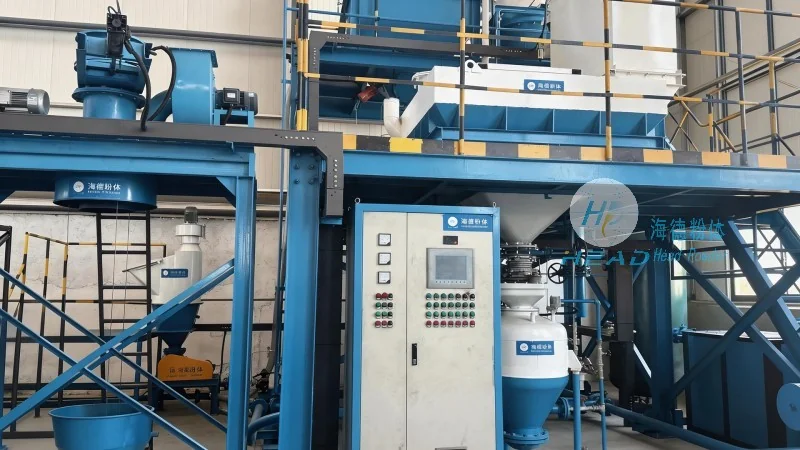
Working Principle: How It Ensures Efficient Material Handling
The working principle of an automatic bulk bag unloading powder conveying line combines mechanical, pneumatic, and electrical systems to achieve efficient material transfer. The mechanical part includes the bulk bag unloader, which uses hydraulic or pneumatic actuators to open and close the bag. The hopper and conveyor system may utilize screw conveyors or pneumatic ducts, depending on the material's properties and the required flow rate. Screw conveyors are ideal for dry, free-flowing powders, as they provide consistent and controlled movement. Pneumatic conveyors, on the other hand, use compressed air to transport powders through ducts, which is suitable for fine or dusty materials. The control system, typically a PLC, coordinates the operation of all components by receiving input from sensors (e.g., level sensors, pressure sensors) and sending output signals to actuators (e.g., motors, valves). This closed-loop control ensures that the system operates at optimal speed and pressure, minimizing energy consumption and maximizing material throughput. Additionally, safety features such as emergency stop buttons, overload protection, and interlocks are integrated to prevent damage to equipment and ensure operator safety.
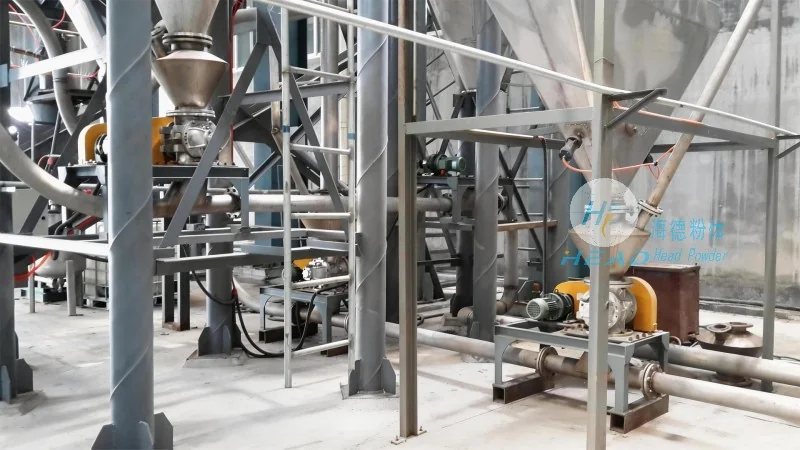
Advantages and Benefits for Industrial Applications
Automatic bulk bag unloading powder conveying lines offer numerous advantages that make them indispensable in modern industrial settings. Firstly, they significantly reduce labor costs by automating the entire unloading and conveying process. Manual handling of bulk bags is labor-intensive and can lead to injuries, while automated systems minimize these risks. Secondly, these systems enhance operational efficiency by ensuring continuous material flow. The integration of a hopper and conveyor allows for a seamless transition from unloading to storage or processing, reducing downtime and increasing production capacity. Thirdly, the systems improve material quality by minimizing contamination and degradation. The sealed bag design prevents exposure to moisture, dust, or other contaminants, and the enclosed conveying system reduces exposure to the environment. Additionally, the precise control of the conveyor system ensures consistent material flow rates, which is crucial for processes that require uniform powder characteristics. Finally, the systems contribute to a safer working environment by reducing the need for manual handling of heavy or bulky bags and minimizing dust emissions through integrated dust collection systems.
Conclusion
In conclusion, automatic bulk bag unloading powder conveying lines are advanced industrial solutions that revolutionize the handling of bulk powders. By integrating automation, robust components, and precise control, these systems enhance efficiency, safety, and material quality in various industries. The operation process, which involves step-by-step unloading, conveying, and storage, is designed to minimize human intervention and maximize throughput. The working principle, combining mechanical, pneumatic, and electrical systems, ensures smooth and reliable material transfer. The advantages, including reduced labor costs, improved efficiency, and enhanced safety, make these systems a valuable investment for companies seeking to optimize their material handling operations. As industrial demands for efficient and safe powder processing continue to grow, such systems will remain a critical component of modern manufacturing and processing facilities.




