Understanding the Polyethylene Powder Handling System Equipment and Its Design Principles is crucial for industries dealing with polyethylene powders. This equipment is engineered to efficiently transport, store, and manage polyethylene powders, ensuring optimal performance and safety in various industrial applications. The design principles behind these systems are tailored to address the unique challenges of handling polyethylene, such as its flow characteristics, dust control, and material handling efficiency.
Polyethylene Powder Handling System Equipment: An Overview
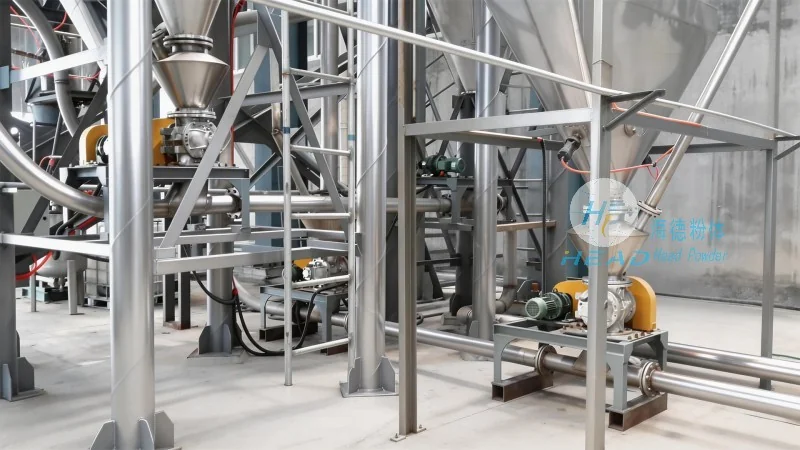
Polyethylene powder handling systems are specialized equipment designed to manage the transportation, storage, and processing of polyethylene powders. These systems are essential in industries like plastics manufacturing, chemical processing, and material handling, where the efficient movement of polyethylene powders is critical for production continuity and operational efficiency. The equipment typically includes components like hoppers, conveyors, dust collectors, and control systems, all working in tandem to ensure smooth and safe operation.
Key Components of Polyethylene Powder Handling Systems
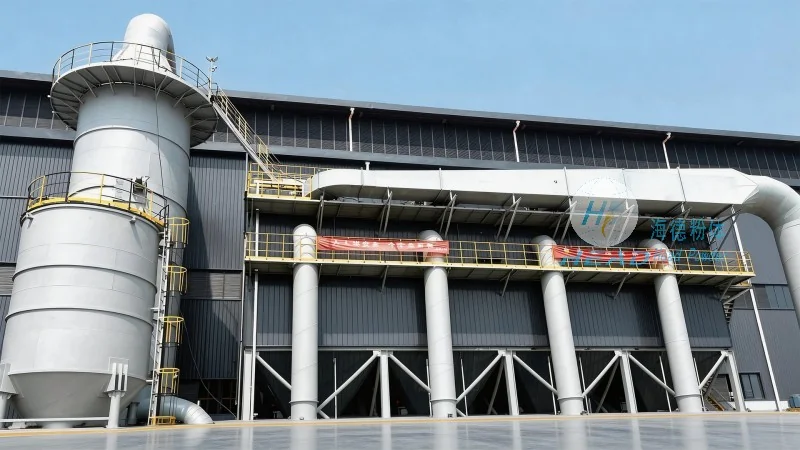
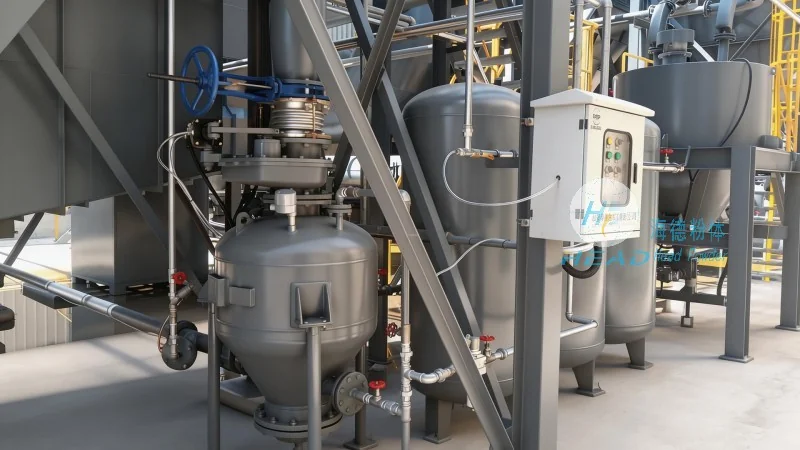
The core components of a polyethylene powder handling system include bulk material hoppers for storage, screw conveyors or pneumatic systems for transportation, and dust suppression mechanisms to maintain a clean and safe working environment. The hoppers are designed to hold large quantities of polyethylene powder while preventing material bridging or caking, which can impede flow. Conveyors, either mechanical or pneumatic, are used to move the powder from storage to processing areas or other parts of the facility. Dust collectors are integrated to capture and filter airborne particles, ensuring compliance with environmental regulations and worker safety standards.
Design Principles for Efficient Polyethylene Powder Handling
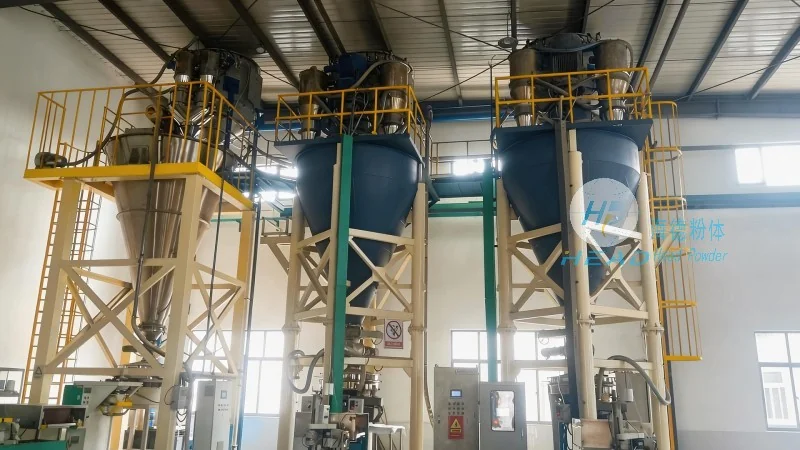
The design principles of polyethylene powder handling systems focus on optimizing flow, minimizing dust generation, and ensuring durability under the demanding conditions of industrial use. Flow optimization is achieved through the use of appropriate hopper designs, such as conical or wedge-shaped hoppers, which promote uniform material flow and prevent blockages. Dust control is addressed through the incorporation of sealed systems, filtration units, and proper ventilation, reducing the risk of dust explosions and maintaining air quality. Durability is ensured by using materials resistant to the chemical and physical properties of polyethylene, such as corrosion-resistant metals and high-strength plastics, which can withstand the abrasive nature of the powder.
Applications and Benefits of Polyethylene Powder Handling Systems
Polyethylene powder handling systems are widely used in various industrial applications, including the production of plastic products, packaging materials, and industrial coatings. The benefits of these systems include improved operational efficiency, reduced downtime due to material handling issues, and enhanced safety through effective dust control. By streamlining the handling process, these systems help companies maintain consistent production quality and reduce operational costs associated with material waste and equipment maintenance.
About Shandong HeadPowder Engineering Co., Ltd.
Shandong HeadPowder Engineering Co., Ltd., operating under the brand name headpowder, is a leading manufacturer of specialized powder handling equipment. With a focus on innovation and quality, the company provides comprehensive solutions for polyethylene and other powder handling needs. HeadPowder's expertise lies in designing and manufacturing equipment that meets the specific requirements of industrial applications, ensuring reliability, efficiency, and safety. The company's facilities are located in Shandong, China, where it leverages advanced technology and skilled engineering to deliver high-performance powder handling systems.




