When it comes to industrial processes involving diatomaceous earth—a naturally occurring, sedimentary rock composed of fossilized diatoms—efficient powder handling is critical. Diatomaceous earth is widely used in filtration, abrasives, and other applications due to its unique properties, such as high porosity and low bulk density. However, its fine particle size makes it prone to dust generation, necessitating specialized conveying systems that minimize contamination and ensure safe operation. This article explores the diatomaceous earth powder conveying system, its design principles, and the key factors that contribute to its effectiveness, as explained by Shandong HeadPowder Engineering Co., Ltd., a reputable manufacturer based in China.
Key Components of a Diatomaceous Earth Powder Conveying System
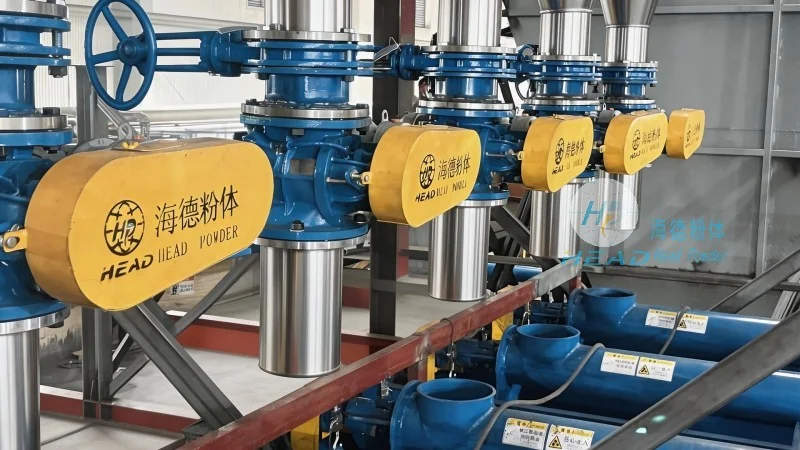
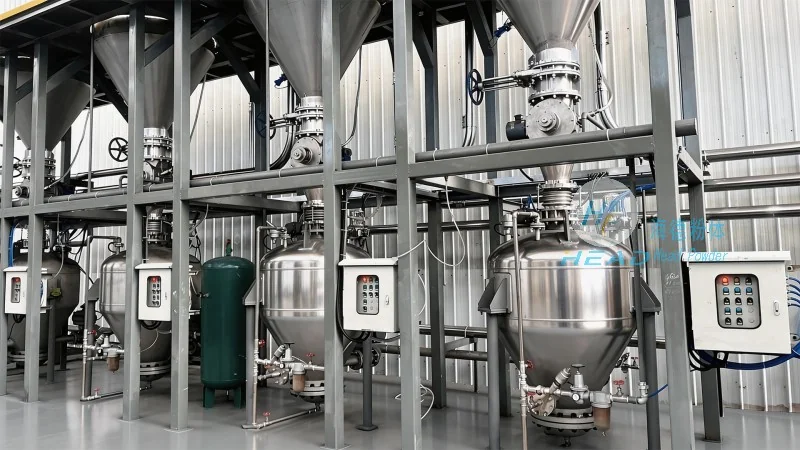
The diatomaceous earth powder conveying system typically consists of several interconnected components, each playing a vital role in the overall operation. The primary components include a storage hopper or silo, a conveying pipeline (often made of stainless steel or other corrosion-resistant materials), a blower or fan unit, control valves, and a dust collection system. The storage hopper is designed to hold the diatomaceous earth powder in a contained environment, preventing premature release or contamination. The pipeline is engineered to withstand the abrasive nature of the powder while maintaining airtight seals to avoid leaks. The blower generates the necessary airflow to either draw (in negative pressure systems) or push (in positive pressure systems) the powder through the pipeline. Control valves regulate the flow rate and direction of the material, ensuring precise control over the conveying process. Finally, the dust collection system captures any particles that may escape during operation, protecting the environment and maintaining workplace safety.
Design Principles for Efficient Powder Conveying
The design of a diatomaceous earth powder conveying system is guided by several key principles aimed at maximizing efficiency, minimizing dust, and ensuring long-term reliability. One of the most critical principles is the selection of the appropriate conveying method—either negative pressure (vacuum) or positive pressure (pressure). Negative pressure systems are commonly used for applications requiring gentle handling, as they create a low-pressure environment that draws the powder into the system without generating excessive force. Positive pressure systems, on the other hand, use higher pressure to push the powder through the pipeline, making them suitable for longer distances or when dealing with more abrasive materials. The choice between these methods depends on factors such as the material's properties, the required conveying distance, and the available space for installation.
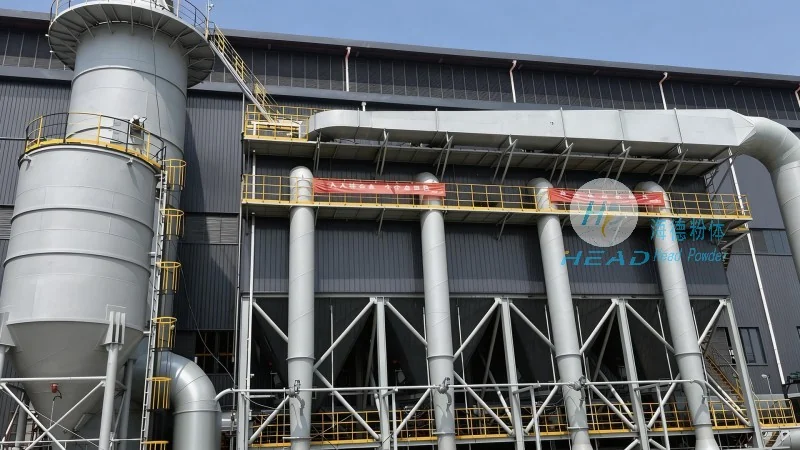
Another essential design principle is the control of airflow velocity. The velocity of the air in the pipeline must be optimized to prevent particle deposition and ensure smooth flow. If the velocity is too low, the powder may settle and cause blockages; if it is too high, it can lead to excessive wear on the pipeline and equipment. Engineers typically calculate the optimal velocity based on the particle size distribution and the material's bulk density, aiming to maintain a balance between efficient transport and equipment longevity. Additionally, the system's layout is carefully planned to minimize bends and changes in direction, as sharp turns can cause turbulence and increase the risk of material buildup. Smooth, gradual bends are preferred to maintain consistent airflow and prevent dust accumulation.
Benefits of a Well-Designed Conveying System
Implementing a properly designed diatomaceous earth powder conveying system offers numerous benefits for industrial operations. First and foremost, it significantly reduces dust exposure, which is a major health and safety concern in powder handling. By containing the material within a sealed system and using effective dust collection, the risk of respiratory issues or environmental contamination is minimized. This not only protects workers but also complies with regulatory standards for air quality. Secondly, the system enhances operational efficiency by ensuring consistent and reliable material flow. Unlike manual handling methods, which are prone to errors and downtime, automated conveying systems maintain a steady supply of diatomaceous earth to downstream processes, such as filtration or mixing. This consistency improves product quality and reduces waste. Thirdly, the use of corrosion-resistant materials and robust design extends the lifespan of the equipment, reducing maintenance costs and downtime over time. The system's ability to handle the abrasive nature of diatomaceous earth without premature wear also contributes to long-term cost savings. Finally, a well-designed conveying system contributes to a cleaner, more organized workplace, improving overall productivity and morale among employees.
Conclusion and Company Overview
In summary, a diatomaceous earth powder conveying system is a critical piece of equipment for industries relying on this versatile material. Its design, which incorporates principles of airflow control, material handling, and dust containment, ensures efficient and safe operation. Shandong HeadPowder Engineering Co., Ltd., with its expertise in powder handling technology, provides high-quality conveying systems tailored to the specific needs of clients. Based in China, the company leverages advanced engineering and manufacturing capabilities to deliver solutions that meet the demands of modern industrial applications. By investing in a well-designed conveying system, businesses can enhance productivity, improve safety, and ensure compliance with environmental regulations, ultimately contributing to their long-term success.




