When considering the efficient handling of small bean materials in industrial applications, the small bean material conveying line stands out as a vital solution. This system is engineered to transport small bean materials from one point to another with precision and reliability, playing a crucial role in various industries such as food processing, agriculture, and manufacturing. Understanding the nature of this conveying line and its fundamental design principles is essential for anyone involved in material handling or industrial operations, as it directly impacts productivity, safety, and overall operational efficiency.
Key Components and Their Functions
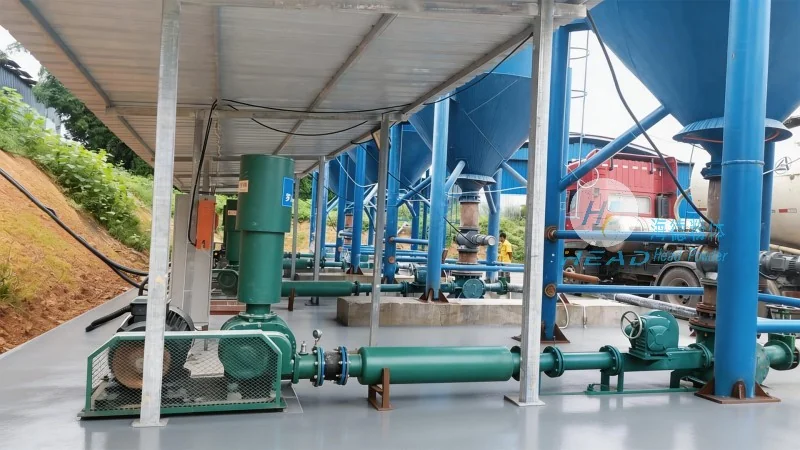
The small bean material conveying line typically comprises several critical components that work in harmony to ensure smooth material transport. These components include feeders, conveyors, control systems, and sometimes auxiliary equipment like hoppers or chutes. The feeder is responsible for uniformly delivering the small bean materials into the conveyor system, ensuring a consistent flow rate. The conveyor itself, which may be a belt conveyor, screw conveyor, or chain conveyor, moves the materials along the designated path. Control systems are integrated to manage the speed, direction, and overall operation of the conveying line, allowing for precise control and adaptability to changing conditions. Auxiliary equipment, such as hoppers or chutes, may be used to store or direct the materials before they enter the conveyor, enhancing the system's functionality.
Design Principles Guiding the Construction
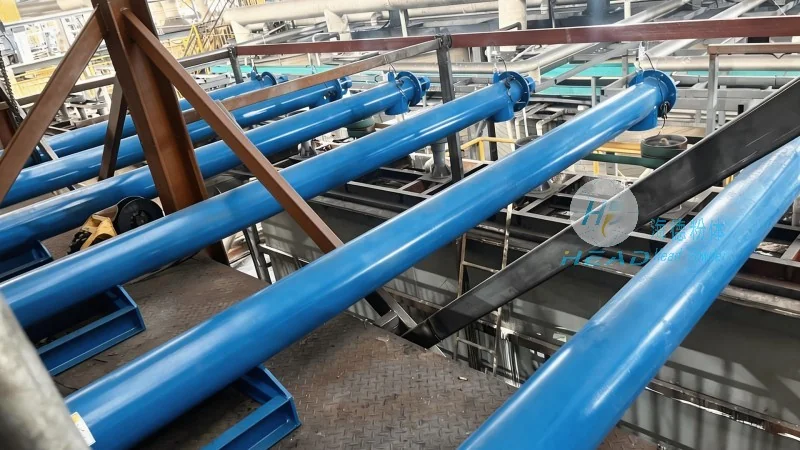
The design of a small bean material conveying line is guided by several key principles aimed at maximizing efficiency, durability, and safety. One primary principle is the selection of appropriate equipment based on the specific characteristics of the small bean materials being handled. Factors such as the size, shape, moisture content, and density of the beans will influence the choice of conveyor type and speed. For example, smaller, lighter beans may require a different conveyor design compared to larger, heavier ones. Another crucial principle is the consideration of material flow and the overall layout of the conveying system. This involves ensuring that the line is designed to minimize material spillage, reduce friction, and optimize throughput. Additionally, the design must account for maintenance and operational ease, with components that are easily accessible and serviceable, reducing downtime and maintenance costs.
Applications and Benefits in Industrial Settings
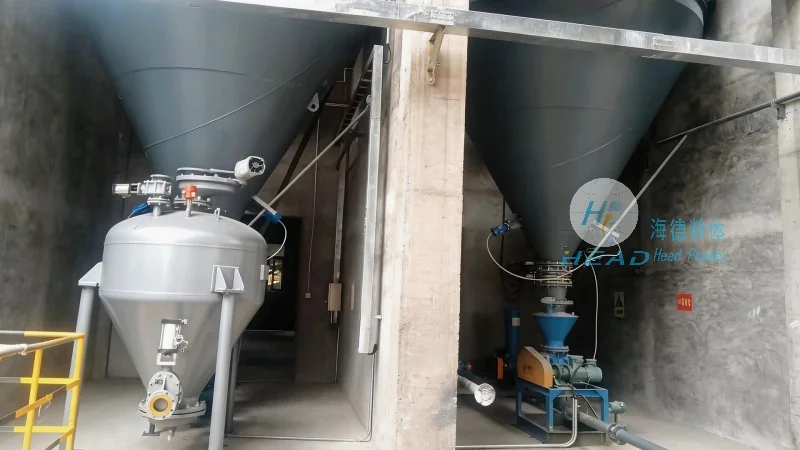
Small bean material conveying lines find widespread applications across various industries, particularly in food processing, where they are used for transporting soybeans, mung beans, and other small seeds. In agriculture, these systems are employed in processing facilities to move harvested beans from storage to processing equipment. The benefits of utilizing these conveying lines include improved productivity, reduced labor costs, and enhanced workplace safety. By automating the material transport process, these systems help to streamline operations, minimize the risk of accidents or material damage, and increase overall throughput. Furthermore, the consistent and controlled movement of small bean materials ensures better quality control and reduces the likelihood of contamination or spoilage.
Customization and Integration with Other Systems
Given the diverse needs of different industries, small bean material conveying lines can be customized to meet specific requirements. This may involve adjusting the conveyor speed, modifying the feed mechanism, or integrating additional components such as sorting, cleaning, or packaging systems. Customization allows for optimal performance tailored to the unique characteristics of the small bean materials and the operational environment. For instance, a food processing plant may require a conveying line with sanitary design features to comply with food safety regulations, while an agricultural facility might need a more rugged system to handle harsh conditions. Moreover, these conveying lines can be integrated with other industrial systems, such as storage silos, processing equipment, or quality control devices, to create a comprehensive material handling solution that enhances overall operational efficiency.
Maintenance and Operational Best Practices
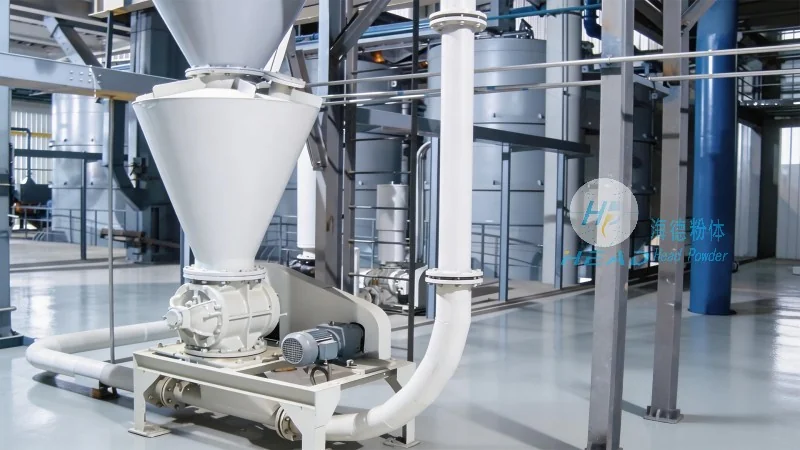
Proper maintenance is essential for ensuring the long-term performance and reliability of a small bean material conveying line. Regular inspections and maintenance procedures should be implemented to check for wear and tear on components, ensure proper lubrication, and address any issues promptly. This includes inspecting the conveyor belts, chains, or screws for signs of damage or wear, checking the feeder mechanisms for proper alignment, and verifying the functionality of control systems. Operational considerations also involve monitoring the system's performance metrics, such as throughput, energy consumption, and material flow rates, to identify areas for improvement. By adhering to proper maintenance practices and operational guidelines, users can maximize the lifespan of their small bean material conveying line and maintain optimal performance over time.




