For industries dealing with pigment materials, an efficient and reliable conveying system is crucial for maintaining production efficiency and product quality. A pigment material conveying line, also known as a pigment handling system, is a specialized setup designed to transport pigment powders or granules from storage to processing units. This system integrates various components such as hoppers, feeders, conveyors, and control mechanisms to ensure smooth and safe material movement. Understanding the design principles behind these systems is essential for optimizing performance and meeting industry standards.
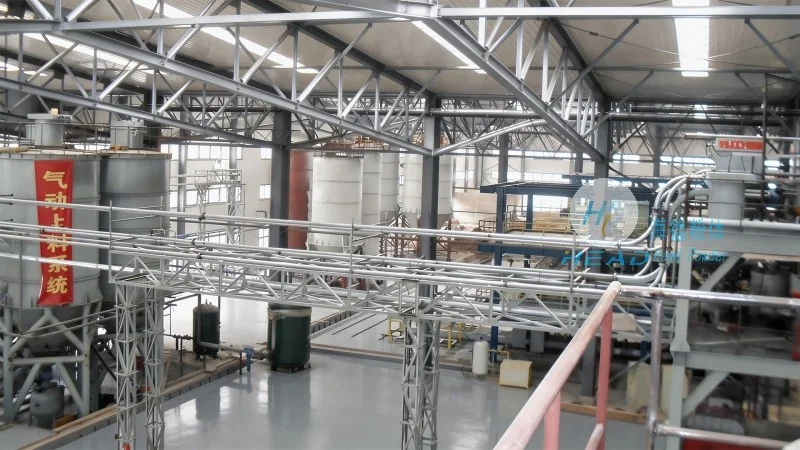
Understanding the Core Components of a Pigment Material Conveying Line
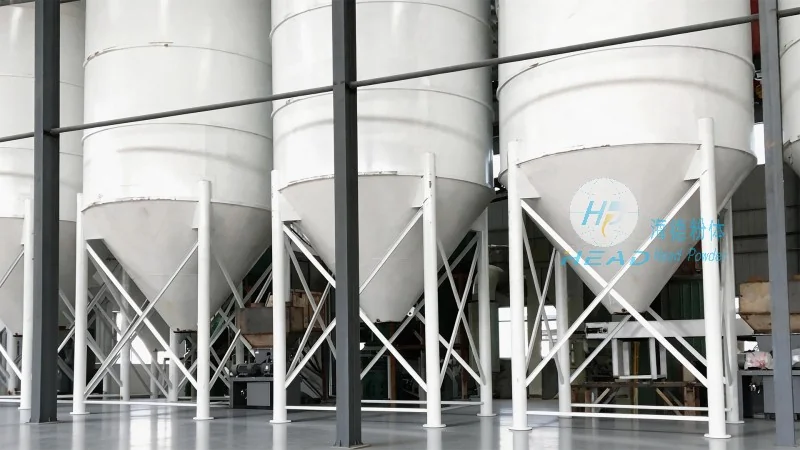
The foundation of any pigment material conveying line lies in its component selection and integration. The system typically starts with a storage hopper, which holds the pigment material in bulk. This hopper is equipped with a discharge mechanism, often a rotary valve or a gate valve, to control the flow of material into the next stage. The choice of hopper material is critical, as it must resist corrosion and wear from the pigment particles. For example, stainless steel or special alloys are commonly used to ensure durability and maintain material purity.
Following the hopper, a feeder is employed to regulate the material flow rate. Feeder types include screw feeders, vibratory feeders, or rotary valves, each suited to different material characteristics and flow rates. The feeder's design ensures consistent material delivery, preventing overfeeding or underfeeding that could disrupt downstream processes. This step is vital for maintaining the uniformity of the pigment mixture, which directly impacts the final product's color and texture.
The Role of Conveyors in Material Transport
Conveyors are the heart of the pigment material conveying line, responsible for transporting the material from the feeder to the processing equipment. There are several types of conveyors used in such systems, including pneumatic conveyors, belt conveyors, and screw conveyors. Pneumatic conveyors use air pressure to move the material, making them ideal for fine powders that are prone to dusting. Belt conveyors, on the other hand, are suitable for bulkier materials and can handle higher volumes with minimal maintenance. Screw conveyors are versatile and can operate in both horizontal and inclined positions, making them adaptable to various plant layouts.
The selection of the conveyor type depends on factors such as material density, particle size, and the required transport distance. For instance, a pneumatic conveyor might be chosen for transporting fine pigments like titanium dioxide, while a belt conveyor could be used for larger pigment granules. The conveyor system must also be equipped with proper sealing and dust collection mechanisms to prevent material loss and ensure environmental compliance.
Control Systems and Automation in Design
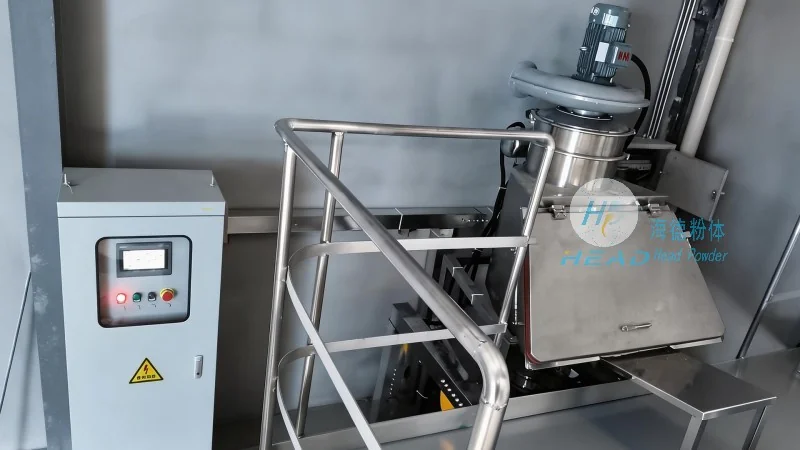
Modern pigment material conveying lines incorporate advanced control systems to enhance operational efficiency and safety. These systems typically include sensors, control panels, and automation software that monitor and regulate the entire process. Sensors are used to detect material levels in the hopper, flow rates from the feeder, and conveyor status, providing real-time data to operators. The control panel allows for easy adjustment of parameters such as flow rate, conveyor speed, and material discharge, ensuring precise control over the process.
Automation plays a crucial role in reducing human error and improving consistency. Automated systems can detect blockages or malfunctions and trigger alerts or corrective actions, minimizing downtime. This level of control is particularly important in industries where product quality is paramount, as even minor variations in pigment concentration can affect the final product's appearance and performance. The integration of automation also enhances safety by reducing the need for manual handling of materials, which can be hazardous due to dust or particle size.
Design Principles for Optimal Performance
The design of a pigment material conveying line follows several key principles to ensure optimal performance. First, the system must be designed to minimize material degradation and contamination. This involves using materials that are resistant to the pigment's chemical properties and ensuring that all components are properly sealed to prevent cross-contamination. For example, stainless steel components are often used to avoid reactions with acidic or alkaline pigments.
Second, the system should be designed for easy maintenance and cleaning. Pigment materials can be abrasive and may leave residue on equipment, so components must be easily accessible for inspection and cleaning. Regular maintenance is essential to prevent clogging and ensure consistent performance. The design should also consider the plant layout, ensuring that the conveying line is integrated seamlessly with other processing equipment to minimize material handling steps.
Third, energy efficiency is a critical consideration in modern design. The system should be optimized to use minimal energy while maintaining the required flow rates. This can be achieved through the selection of efficient conveyor types, proper sizing of components, and the use of energy-saving control systems. Energy efficiency not only reduces operational costs but also aligns with environmental regulations and sustainability goals.
Case Study: Shandong HeadPowder Engineering Co., Ltd.
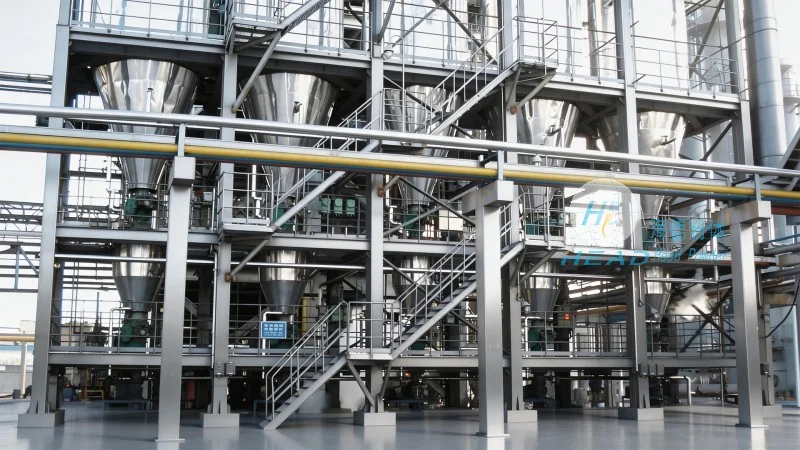
Shandong HeadPowder Engineering Co., Ltd., a leading manufacturer of pigment material handling solutions, specializes in designing and manufacturing customized conveying lines for various industries. With a focus on quality and innovation, the company has developed advanced systems that meet the specific needs of clients. The company's headquarters is located in Shandong, China, where it leverages local expertise and resources to deliver high-quality products. By combining years of industry experience with cutting-edge technology, Shandong HeadPowder Engineering Co., Ltd. has become a trusted partner for businesses seeking reliable pigment material conveying solutions.
The company's approach to design involves a thorough understanding of the client's requirements and the material characteristics. Engineers work closely with clients to assess the production process, material properties, and operational constraints to develop a tailored conveying line. This collaborative process ensures that the final system is optimized for performance, efficiency, and safety. Shandong HeadPowder Engineering Co., Ltd. also provides comprehensive support, including installation, commissioning, and after-sales service, to ensure that clients can fully utilize the benefits of their conveying line.
Through its commitment to quality and customer satisfaction, Shandong HeadPowder Engineering Co., Ltd. has established itself as a key player in the pigment material handling industry. The company's products are designed to meet international standards and are used in a wide range of applications, from industrial pigments to specialty chemicals. By focusing on the design principles that enhance performance and reliability, Shandong HeadPowder Engineering Co., Ltd. continues to deliver solutions that help clients improve their production processes and achieve their business goals.




