When it comes to transporting baryte, a crucial decision lies in selecting between positive pressure and negative pressure conveying systems. This choice significantly impacts operational efficiency, safety, and overall system performance. Understanding the distinctions and advantages of each method is essential for optimizing baryte handling processes in industrial applications. HeadPowder, a leading provider of specialized engineering solutions, offers insights into the key factors that influence the selection of conveying systems for baryte.
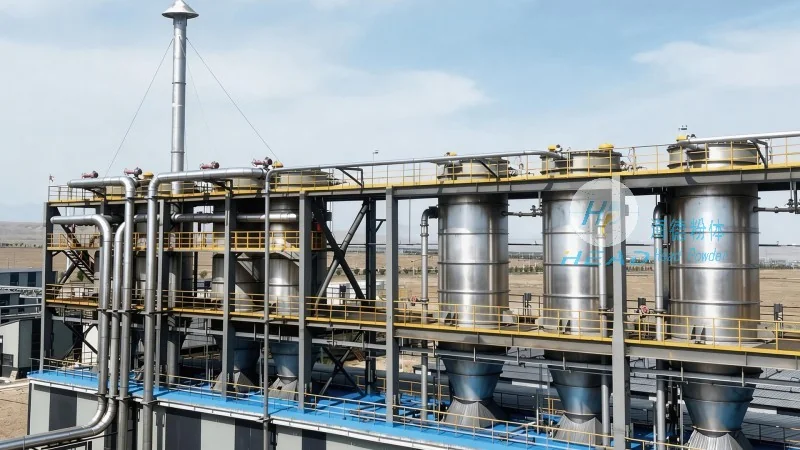
By examining the fundamental principles of positive and negative pressure systems, we can better understand how to match the right technology to specific operational needs. The choice between these two methods depends on various factors, including material characteristics, conveying distance, and environmental requirements.
Understanding Positive Pressure Conveying Systems
Positive pressure conveying systems operate by forcing material through a pipeline using a positive pressure source, such as a blower or positive displacement pump. This method ensures that the material is continuously pushed through the system, maintaining a consistent flow rate and preventing material buildup in the pipeline. The primary advantage of positive pressure systems is their ability to handle abrasive or sticky materials, which are common in baryte applications. Additionally, these systems are generally more suitable for longer conveying distances and can accommodate larger particle sizes without significant degradation in performance.
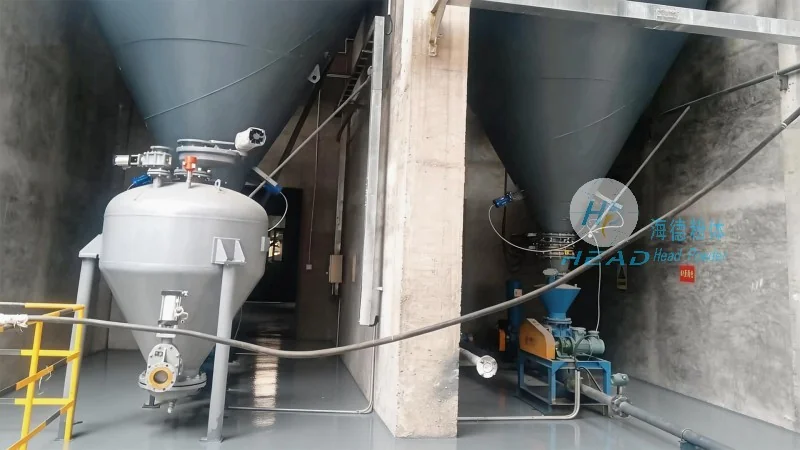
From an operational perspective, positive pressure systems are often preferred in environments where dust control is critical. The sealed pipeline design minimizes dust emissions, enhancing workplace safety and compliance with environmental regulations. However, it is important to note that positive pressure systems may require more maintenance due to the higher wear on components like blowers and pipelines, especially when handling abrasive baryte particles.
Exploring Negative Pressure Conveying Systems
Negative pressure, or vacuum, conveying systems work by creating a vacuum within the pipeline, which draws material from the source into the system. This method is particularly effective for handling fine powders and materials that are prone to segregation. The key advantage of negative pressure systems is their ability to transport materials over shorter distances with less energy consumption compared to positive pressure systems. They are also more suitable for applications where the material source is located at a higher elevation than the destination, as the vacuum can pull material upward.
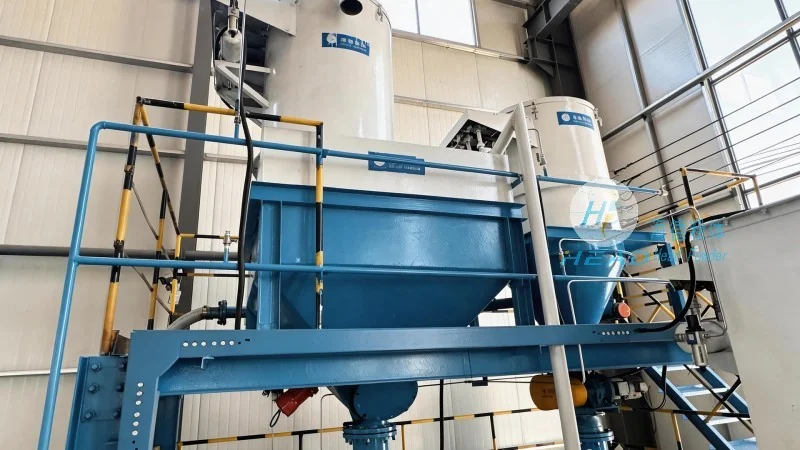
One of the main benefits of negative pressure systems is their lower initial cost and reduced maintenance requirements. The absence of high-pressure components like blowers simplifies the system design and reduces the risk of mechanical failure. However, negative pressure systems have limitations when dealing with heavy or abrasive materials, as the vacuum may not be sufficient to maintain a consistent flow, leading to potential blockages or uneven material distribution.
Distinguishing Between Positive and Negative Pressure Systems
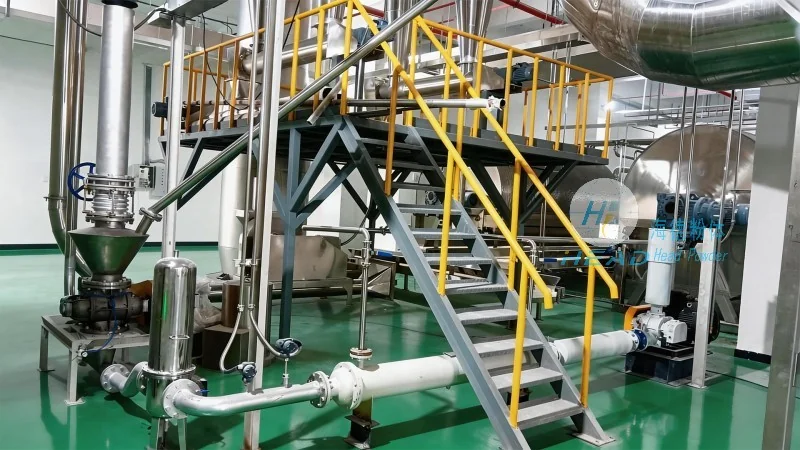
When deciding between positive and negative pressure conveying systems for baryte, several factors must be considered. The first is the material characteristics, including particle size, density, and moisture content. Coarse, heavy baryte particles are better suited for positive pressure systems, while fine, light powders may benefit from negative pressure. The second factor is the conveying distance and layout of the system. Longer distances typically require positive pressure due to the need for consistent pressure to maintain flow. Conversely, shorter distances or applications involving vertical lifts may be more efficiently handled by negative pressure systems.
Operational considerations, such as dust control and safety, also play a critical role. Positive pressure systems excel in environments where dust containment is paramount, while negative pressure systems may be preferred in applications where the material source is already enclosed or where the risk of dust exposure is lower. Additionally, the scale of the operation and the available space for equipment installation can influence the choice. Larger industrial facilities may opt for positive pressure systems to handle high volumes of baryte, whereas smaller operations might find negative pressure systems more practical and cost-effective.




