Fertilizer pneumatic conveying systems are critical components in modern agricultural and industrial operations, designed to efficiently transport bulk materials such as fertilizers, chemicals, and granular products. These systems utilize air or gas as the conveying medium to move materials from one location to another, offering advantages like reduced labor costs, improved safety, and enhanced operational flexibility. The core of these systems lies in their ability to handle various types of fertilizers, including powdered, granular, and even liquid-based formulations, while maintaining high throughput and minimal material loss.
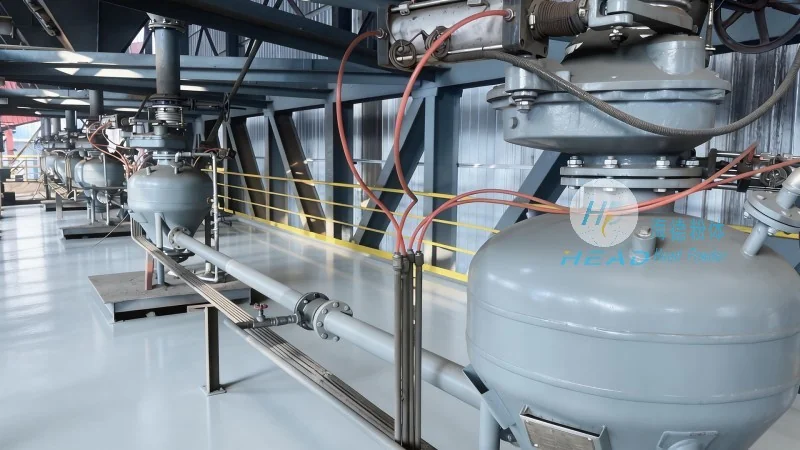
Working Principle of Pneumatic Conveying Equipment
The fundamental principle behind fertilizer pneumatic conveying systems is the use of differential pressure to move materials through a pipeline. The system typically consists of a blower or compressor that generates a flow of air, which then draws the fertilizer material into the pipeline via a hopper or feeder. As the material is drawn into the system, it is carried by the air stream to the destination point, where it is discharged through a receiver or silo. The design of the system, including the type of air mover (positive displacement or centrifugal), the pipeline layout, and the material handling components, all contribute to the overall efficiency and effectiveness of the conveying process. For example, positive displacement blowers provide consistent air pressure, making them suitable for high-density or abrasive materials like certain types of fertilizers, while centrifugal fans are often used for lighter, more powdery materials.
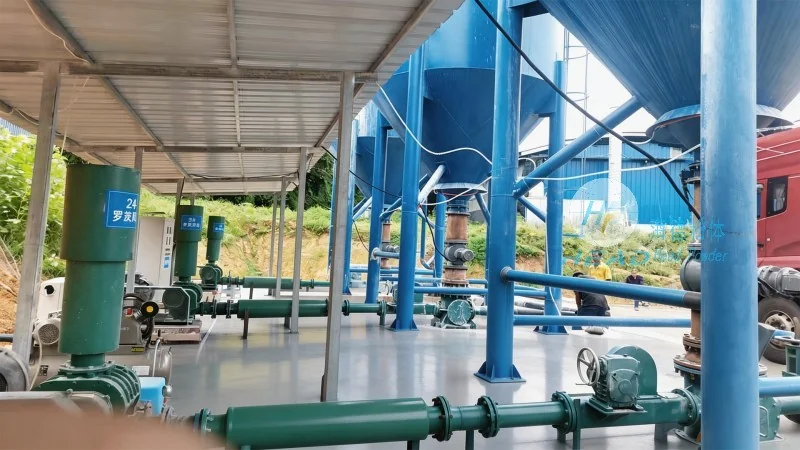
Key Components and Their Functions
Several key components work together to ensure the smooth operation of a fertilizer pneumatic conveying system. The air mover, as mentioned earlier, is the heart of the system, providing the necessary airflow to transport the material. The hopper or feeder is responsible for feeding the fertilizer into the pipeline, often equipped with a rotary valve or screw feeder to control the flow rate. The pipeline itself is typically made of stainless steel or other corrosion-resistant materials to withstand the chemical properties of fertilizers and prevent contamination. Additionally, the system may include filters, cyclones, or separators to remove any air or dust from the material, ensuring that the fertilizer is delivered in a clean and consistent state. The receiver or silo at the end of the pipeline stores the conveyed material, allowing for further processing or distribution. Each component must be carefully selected and maintained to ensure optimal performance and longevity of the system.
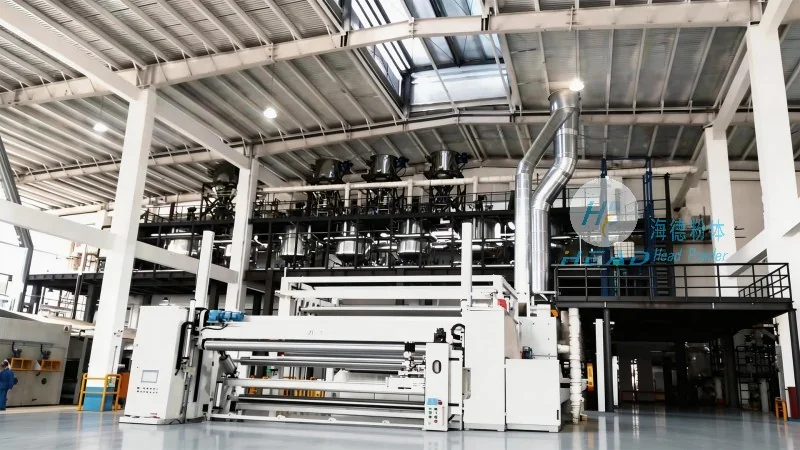
Working Scene Characteristics and Applications
The working scene characteristics of fertilizer pneumatic conveying systems vary based on the specific application and operational environment. In agricultural settings, these systems are commonly used in fertilizer storage facilities, where they help move bulk fertilizers from storage silos to application equipment or trucks. The systems are designed to handle large volumes of material, often operating continuously to meet the demands of farming operations. In industrial settings, such as chemical plants or manufacturing facilities, pneumatic conveying systems are used to transport raw materials to production lines or to move finished products to storage areas. The flexibility of these systems allows them to be adapted to different working environments, from indoor warehouses to outdoor storage yards. The working scene characteristics also include considerations of space constraints, material compatibility, and environmental factors, all of which influence the design and implementation of the system. For instance, in areas with limited space, a compact system with vertical or horizontal pipeline configurations may be preferred, while in outdoor applications, weather-resistant components are essential to ensure reliable operation.
Advantages and Benefits of Pneumatic Conveying Systems
Implementing a fertilizer pneumatic conveying system offers numerous advantages over traditional methods like belt conveyors or manual handling. One of the primary benefits is the reduction in labor costs, as the system automates the material handling process, minimizing the need for manual labor. This not only improves efficiency but also enhances workplace safety by eliminating the risk of handling heavy or bulky materials. Additionally, pneumatic conveying systems reduce material loss and contamination, as the material is enclosed within the pipeline, preventing exposure to the environment and reducing the risk of dust or spillage. The systems also offer high throughput rates, allowing for the rapid movement of large volumes of fertilizer, which is crucial in meeting the demands of modern agricultural and industrial operations. Furthermore, the flexibility of these systems allows for easy integration with other equipment, such as weighing scales or mixing machines, enabling a more streamlined production process. The advantages of pneumatic conveying systems make them a preferred choice for many fertilizer handling applications, providing a cost-effective and efficient solution for material transport.
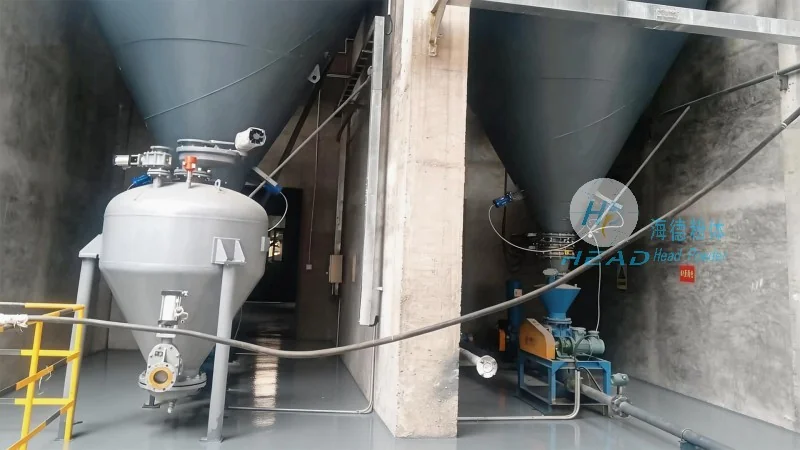
Case Study: Application in Shandong Agricultural Fertilizer Plant
Shandong HeadPowder Engineering Co., Ltd., a leading manufacturer of fertilizer handling equipment, has successfully implemented a pneumatic conveying system in a large agricultural fertilizer plant in China. The plant, located in the Shandong province, handles over 10,000 tons of fertilizer per month, including various types of nitrogen, phosphorus, and potassium fertilizers. The system, designed by HeadPowder, utilizes a positive displacement blower and stainless steel pipelines to transport the fertilizer from storage silos to the loading area. The system has significantly improved the plant's operational efficiency, reducing the time required for material transport from several hours to just 30 minutes. The plant operators have reported that the system has also reduced material loss by 15% and improved workplace safety by eliminating manual handling of heavy bags. The success of this project has led to the adoption of similar systems in other fertilizer plants across the region, demonstrating the effectiveness of HeadPowder's pneumatic conveying solutions.




