Trilithium ion pneumatic conveying systems represent a sophisticated solution for material handling, particularly in industries dealing with lithium-ion battery components. The equipment, developed by Shandong HeadPowder Engineering Co., Ltd., a leading manufacturer based in China, integrates advanced pneumatic technology to efficiently transport fine powders and granules. This system is engineered to handle the specific challenges associated with trilithium ion materials, ensuring precision, reliability, and safety in material transfer processes.
The Working Principle of the Pneumatic Conveying System
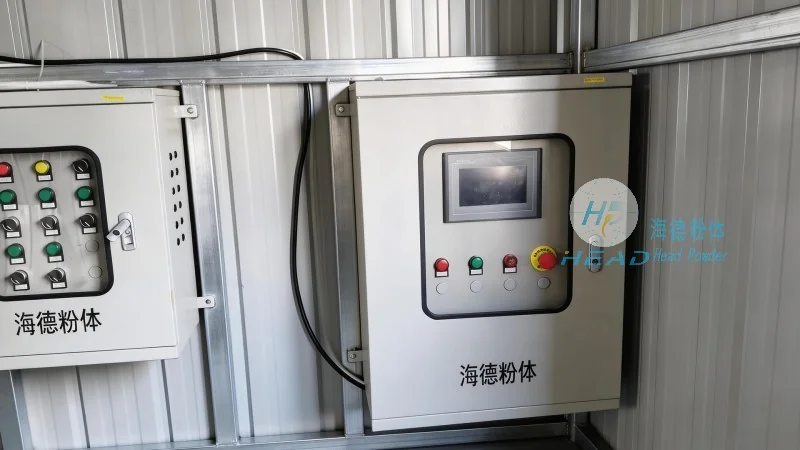
The core of the trilithium ion pneumatic conveying system lies in its air-based transport mechanism. The system operates by generating a high-pressure airflow, which draws the trilithium ion powder from the source container into the conveying line. As the material is entrained by the air stream, it travels through the pipeline to the destination point. The system utilizes a combination of positive and negative pressure zones to control the flow, ensuring consistent and controlled material movement. Key components include the air compressor, material feed hopper, conveying pipeline, and discharge valve. The air compressor provides the necessary pressure to create the airflow, while the feed hopper regulates the material input. The pipeline system, often made of corrosion-resistant materials suitable for lithium-ion powders, ensures minimal material degradation and contamination. The discharge valve at the end of the line controls the release of the material into the receiving container. This closed-loop system minimizes dust exposure and environmental impact, aligning with industrial safety standards.
Key Features and Technical Advantages
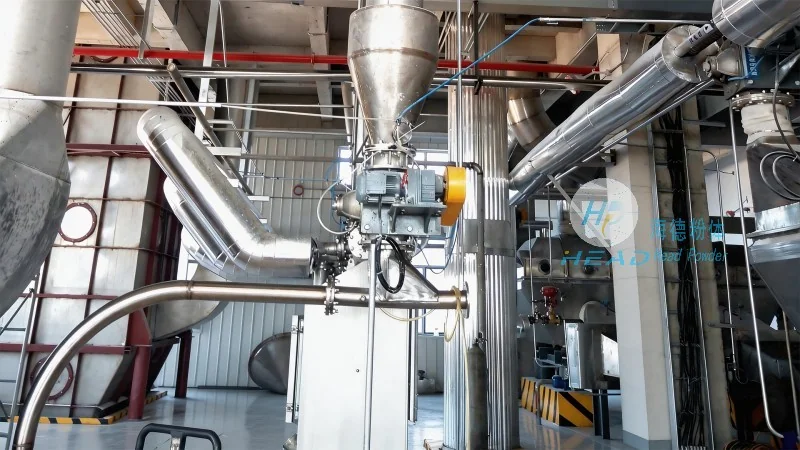
Shandong HeadPowder Engineering Co., Ltd. has incorporated several key features into the trilithium ion pneumatic conveying system to enhance performance and reliability. One of the primary advantages is the system's ability to handle fine powders without clogging or blockages, which is critical for trilithium ion materials that are often sensitive to moisture and air exposure. The equipment is designed with a low-pressure drop, reducing energy consumption and operational costs. Additionally, the system includes advanced control systems that allow for real-time monitoring of material flow rates and pressure levels, enabling operators to adjust settings dynamically. The use of stainless steel and other corrosion-resistant materials in the construction of the conveying components ensures durability and resistance to chemical reactions with the trilithium ion powder. This not only extends the equipment's lifespan but also maintains the purity of the material throughout the transfer process. The system also features integrated dust collection and filtration units, which capture any airborne particles and prevent environmental contamination, adhering to stringent industrial regulations.
Working Scene Characteristics and Applications
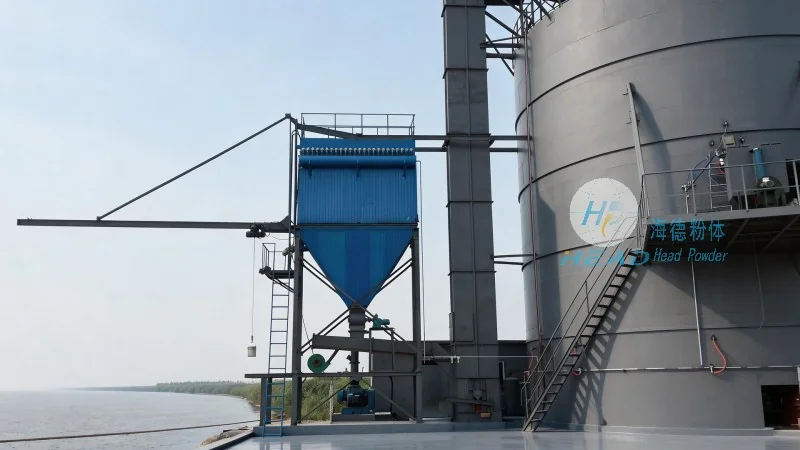
The trilithium ion pneumatic conveying system is particularly well-suited for applications in the lithium-ion battery manufacturing industry. It is commonly used in scenarios where trilithium ion powders need to be transported from storage silos to processing lines, such as mixing, coating, or electrode formation. The system's ability to operate in a closed environment makes it ideal for facilities that require strict contamination control, as is often the case in battery production. For example, in a battery cell manufacturing plant, the system can efficiently convey trilithium ion powders from a bulk storage area to the mixing room, ensuring that the material is delivered in a controlled manner without exposing it to external contaminants. Another application is in the handling of trilithium ion powders during the production of cathode materials, where the system can transport the powder from a grinding or milling unit to the coating machine. The system's flexibility allows it to adapt to different production scales, from small-scale laboratory operations to large-scale industrial manufacturing. In addition, the system's compact design makes it suitable for installations in facilities with limited space, such as in urban manufacturing centers. The working scene characteristics also include the system's ability to handle varying material flow rates, from low to high throughput, making it versatile for different production stages. The closed-loop design and integrated safety features ensure that the system operates safely in environments where trilithium ion powders are handled, reducing the risk of accidents and material loss.




