HeadPowder, a leading manufacturer based in Shandong, China, specializes in the design and production of advanced glass powder pneumatic conveying systems. These systems are engineered to efficiently transport glass powders and related materials in various industrial applications, ensuring high performance, reliability, and safety.
Understanding the Core Principle of Pneumatic Conveying
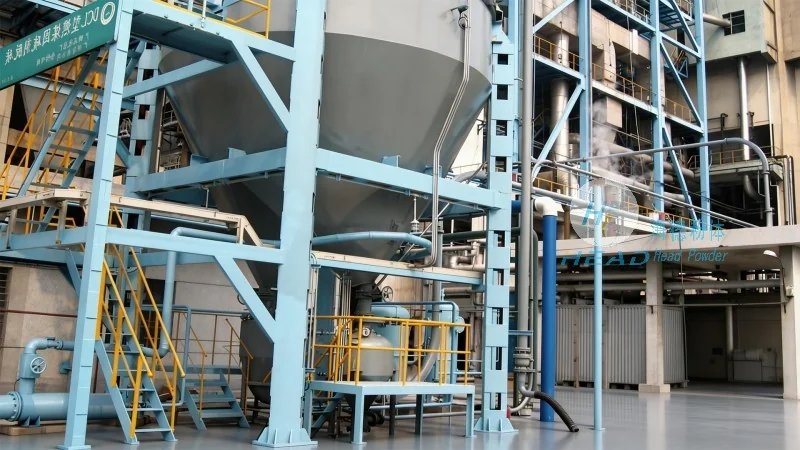
The fundamental principle of a glass powder pneumatic conveying system is the use of compressed air or other gases to move bulk materials through a pipeline. This method, known as pneumatic conveying, eliminates the need for mechanical components like conveyors or elevators, reducing maintenance costs and increasing operational efficiency. The system typically consists of a hopper for material storage, a blower or compressor to generate the necessary air pressure, a pipeline network to transport the material, and a receiver to collect the delivered material. The air flow is controlled to create a positive or negative pressure environment, depending on the conveying direction and material properties. For glass powders, which are often fine and abrasive, specialized equipment is required to prevent clogging and ensure smooth material flow.
Key Components and Their Functions
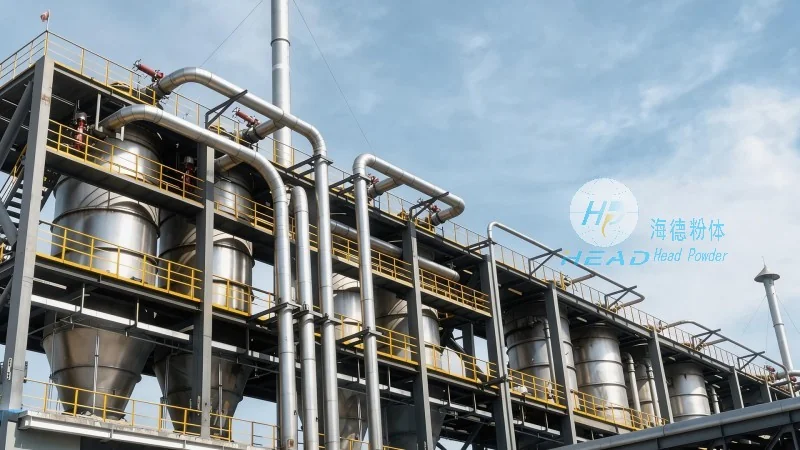
Each component of the glass powder pneumatic conveying system plays a critical role in the overall operation. The material hopper is designed to hold the glass powder and feed it into the system at a controlled rate. It may include a rotary valve or feeder to regulate the flow, preventing overloading and ensuring consistent material delivery. The blower or compressor provides the motive force, generating the air pressure needed to move the material. In positive pressure systems, the air is forced through the pipeline, carrying the glass powder, while negative pressure systems draw the material into the pipeline using suction. The pipeline network is constructed from materials resistant to the abrasive nature of glass powders, such as stainless steel or special alloys, to prevent wear and corrosion. The receiver, or discharge hopper, collects the glass powder at the end of the conveying line, allowing for easy unloading and processing. Additionally, filters and cyclones may be integrated to separate the air from the material, ensuring clean air release and preventing dust contamination.
Working Scene Characteristics and Applications
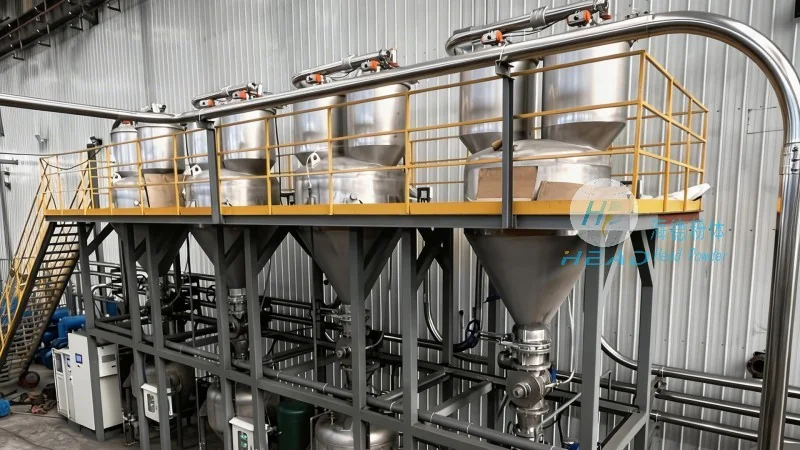
Glass powder pneumatic conveying systems are widely used in various industrial settings, each with unique characteristics that influence system design and operation. In glass manufacturing plants, these systems are essential for transporting raw materials like silica sand, soda ash, and limestone to the melting furnaces. The high temperature and abrasive nature of the glass melt require efficient and reliable material transport to maintain production continuity. In the automotive and aerospace industries, glass powders are used in composite materials, where precise control over material flow is critical for achieving uniform properties in the final products. The systems are also employed in the production of glass fibers and insulation materials, where the fine powder needs to be conveyed to mixing and extrusion equipment. The working scene characteristics, such as the scale of operation, material properties, and environmental requirements, dictate the type of pneumatic conveying system selected—whether it is a dense phase system for high capacity and low pressure drop, or a dilute phase system for longer distances and lower material concentration. The choice of system also depends on factors like the particle size distribution of the glass powder, which affects the air velocity and pressure required for effective transport.
Advantages and Benefits in Industrial Applications
Implementing a glass powder pneumatic conveying system offers several advantages over traditional mechanical conveying methods. First, it reduces the risk of material contamination and cross-contamination, as the system is enclosed and sealed, preventing dust and particles from entering the environment. This is particularly important in food and pharmaceutical industries, where hygiene is paramount. Second, the system minimizes labor costs and operational downtime, as there are fewer moving parts and less maintenance required compared to belt or screw conveyors. The absence of mechanical components also reduces the likelihood of material breakage or degradation, preserving the quality of the glass powder. Third, pneumatic conveying systems are highly flexible and can be easily integrated into existing production lines, allowing for changes in production volume or material types without major modifications. The ability to convey materials over long distances and through complex layouts makes these systems ideal for large-scale industrial operations. Additionally, the systems can be equipped with advanced control systems, enabling real-time monitoring and adjustment of parameters like air pressure and flow rate, ensuring optimal performance and energy efficiency.
Customization and Technical Support from HeadPowder
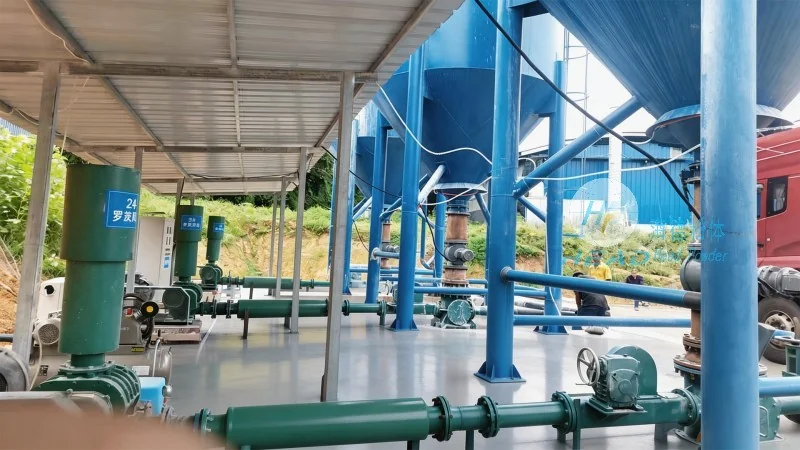
HeadPowder, with its headquarters in Shandong, China, provides tailored solutions for glass powder pneumatic conveying systems, catering to the diverse needs of various industries. The company offers comprehensive technical support, from initial system design and engineering to installation and after-sales service. Customers can benefit from the expertise of HeadPowder's engineering team, which has extensive experience in designing and manufacturing pneumatic conveying systems for a wide range of materials, including glass powders. The company's commitment to quality and innovation ensures that each system is built to meet the specific requirements of the application, whether it is for high-volume production or specialized material handling. HeadPowder's products are designed to comply with international standards and are backed by a warranty, providing customers with peace of mind and long-term reliability. The company's focus on customer satisfaction and technical excellence has made it a trusted partner in the industry, delivering efficient and effective solutions for glass powder transportation.




