Dense phase powder handling equipment represents a critical technology in the material handling and processing industries. These systems are specifically engineered to transport bulk powders and granular materials through pipelines with enhanced efficiency and reduced material degradation compared to traditional pneumatic or mechanical conveying methods. The core objective of dense phase systems is to maintain a high solids concentration within the conveying medium, typically air or gas, which minimizes the risk of material segregation, agglomeration, and loss of product quality during transport. This approach is particularly valuable for sensitive materials such as pharmaceuticals, food ingredients, and fine chemicals where maintaining particle integrity is paramount.
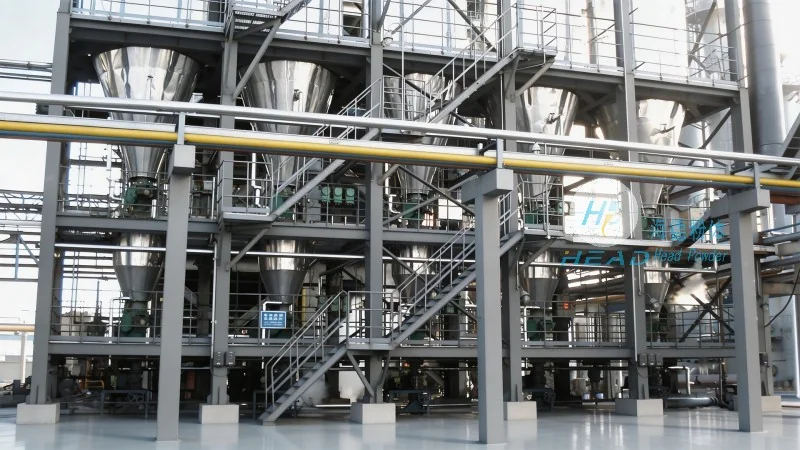
The Fundamental Design Principles of Dense Phase Powder Handling Equipment
The design of dense phase powder handling equipment is built upon several key principles that ensure optimal performance and material handling. The most critical principle is the maintenance of a high solids loading ratio, often referred to as the "solids concentration" or "solids-to-gas ratio." This ratio is typically maintained between 15% to 25% by weight, depending on the material properties and the desired conveying velocity. By keeping the solids concentration high, the equipment minimizes the velocity of the conveying medium, which in turn reduces particle impact and abrasion within the pipeline. This low velocity also helps to prevent material segregation, where larger or lighter particles separate from the bulk material, a common issue in conventional pneumatic conveying.
Another crucial design principle is the use of a controlled pressure system. Dense phase systems operate under positive pressure, with pressures ranging from 1 to 10 bar, depending on the pipeline length and the material's flow characteristics. The pressure is managed by a blower or compressor that supplies the necessary air or gas to push the material through the pipeline. The pressure control is essential to ensure a consistent flow rate and to prevent backflow or clogging, which can occur if the pressure drops below the material's critical flow pressure.
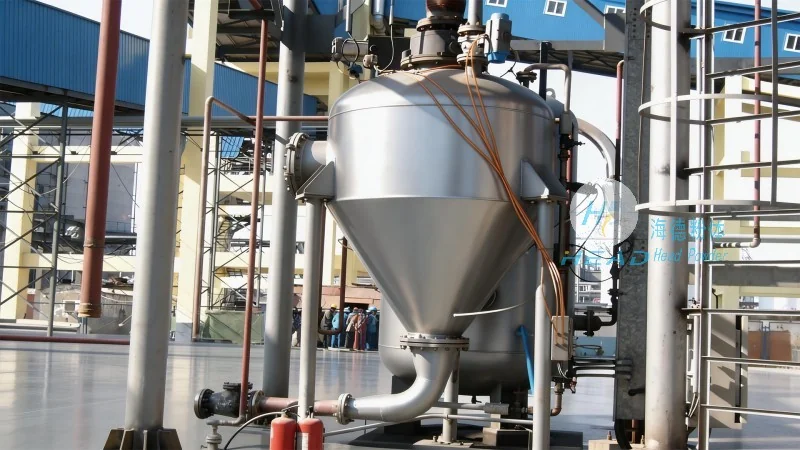
Furthermore, the design incorporates specialized components such as the feed hopper and the conveying line. The feed hopper is designed to feed the material into the pipeline at a controlled rate, often using a rotary valve or a screw feeder to maintain a steady flow. The conveying line itself is typically made of materials that are resistant to abrasion and corrosion, such as stainless steel or polyethylene, to withstand the continuous movement of the material and the pressure within the system. The line may also include bends, elbows, and expansion joints to accommodate changes in direction and to reduce pressure losses, which are critical for maintaining the system's efficiency.
About Shandong HeadPowder Engineering Co., Ltd.
At Shandong HeadPowder Engineering Co., Ltd., we specialize in the design, manufacturing, and integration of dense phase powder handling equipment. Our company, commonly known as HeadPowder, has established itself as a leading provider of customized material handling solutions tailored to the unique needs of various industries. With our headquarters located in Shandong, China, we leverage decades of experience and advanced engineering capabilities to deliver high-quality equipment that meets the most stringent industry standards. Our team of experts works closely with clients to understand their material characteristics, processing requirements, and operational constraints, ensuring that the final system is optimized for efficiency, reliability, and cost-effectiveness.
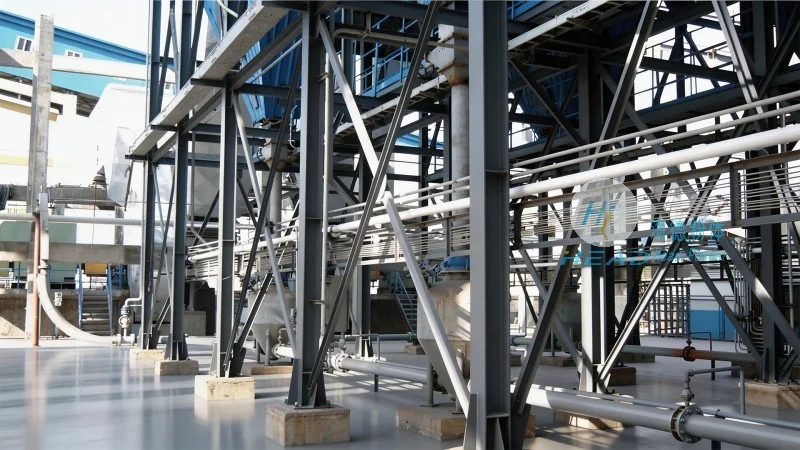
The Advantages of Dense Phase Powder Handling Equipment
Compared to traditional conveying methods, dense phase powder handling equipment offers several distinct advantages that make it the preferred choice for many applications. One of the primary benefits is the reduced risk of material degradation. By maintaining a low conveying velocity and high solids concentration, the equipment minimizes particle impact and abrasion, which helps to preserve the physical and chemical properties of the material. This is particularly important for heat-sensitive or moisture-sensitive materials, where even minor changes can affect product quality and performance.
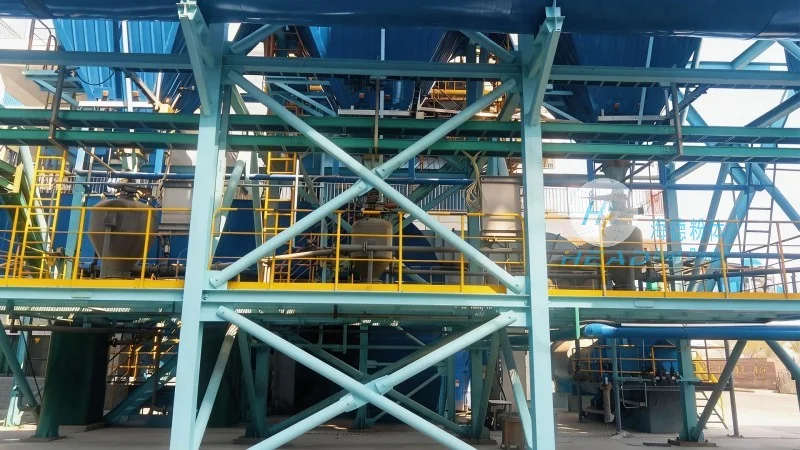
Another advantage is the improved efficiency and reliability. Dense phase systems are capable of conveying materials over long distances with minimal pressure loss, and they can handle a wide range of materials, from fine powders to coarse granules. The positive pressure operation also prevents the ingress of external contaminants, such as dust or moisture, which can compromise the material's purity. Additionally, the controlled feed rate and pressure management help to prevent clogging and ensure a consistent flow rate, reducing downtime and maintenance costs.
Conclusion
Dense phase powder handling equipment is a sophisticated and effective solution for the transportation of bulk powders and granular materials. By adhering to fundamental design principles such as maintaining high solids loading, controlling pressure, and using specialized components, these systems deliver superior performance in terms of material integrity, efficiency, and reliability. At Shandong HeadPowder Engineering Co., Ltd., we are committed to providing our clients with cutting-edge dense phase powder handling equipment that meets their specific requirements and helps them achieve their operational goals. With our expertise and dedication to quality, we are poised to continue leading the industry in material handling technology.




