Efficient and reliable material handling is crucial in industrial processes involving coke and limestone powder. The choice of conveying method significantly impacts operational efficiency, cost, and safety. This article provides a detailed comparison of common conveying methods used for transporting coke and limestone powder, focusing on the technical aspects, advantages, and applications of each system.
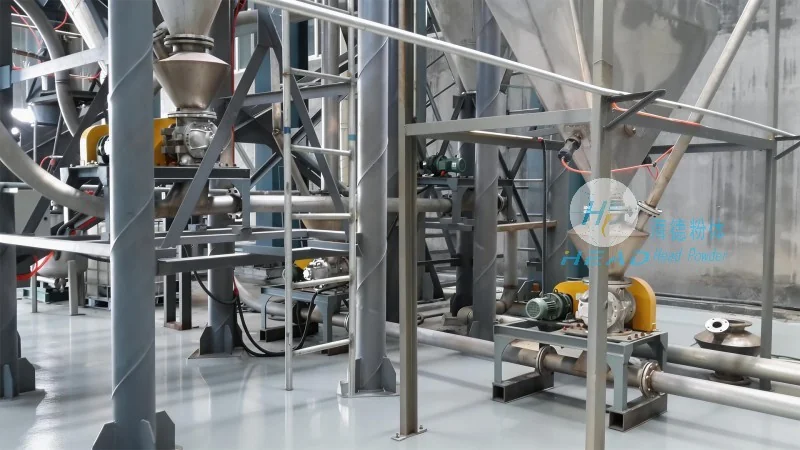
1. Belt Conveyor (Pulley Conveyor)
Belt conveyors are one of the most widely used systems for transporting bulk materials like coke and limestone powder. They consist of a continuous loop of material (usually rubber or synthetic) that moves over rollers or pulleys. The primary components include the conveyor belt, drive pulley, idler pulleys, and a frame structure. This method is particularly effective for long-distance and high-volume material transport. One of the key advantages of belt conveyors is their ability to handle large quantities of material with minimal maintenance. They are also suitable for transporting materials over inclined or horizontal distances, making them versatile for various industrial settings. However, belt conveyors may face challenges with material that is too abrasive or sticky, as this can lead to belt wear and operational issues. Additionally, they require regular inspection and maintenance to ensure smooth operation.
2. Pneumatic Conveying System
Pneumatic conveying, also known as air conveying, uses compressed air to transport materials through a pipeline. This method is ideal for handling fine powders like coke and limestone powder, as it can transport materials without direct contact, reducing the risk of contamination and material degradation. The system typically includes a hopper, a blower or compressor, a pipeline network, and a discharge device. One of the main advantages of pneumatic conveying is its ability to transport materials over long distances and through vertical or horizontal paths. It is also suitable for applications requiring dust control and material separation. However, pneumatic conveying systems can be more complex and expensive to install compared to other methods. They also require careful design to prevent material buildup in the pipeline and ensure efficient air flow. The energy consumption of pneumatic systems is generally higher than that of mechanical systems like belt conveyors.
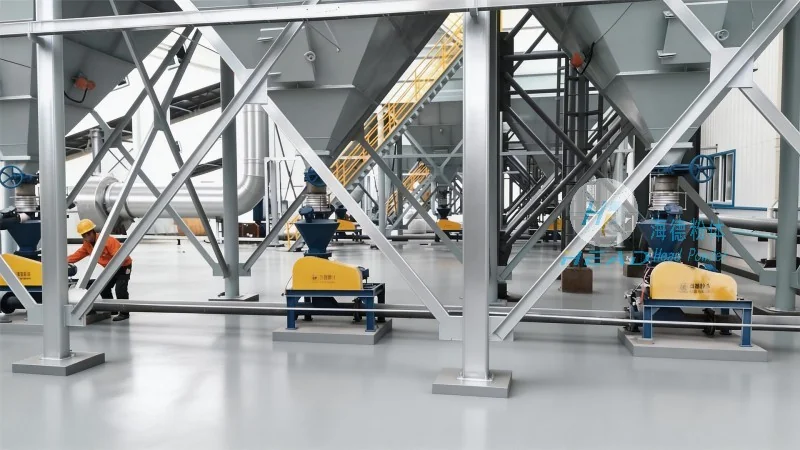
3. Screw Conveyor (Auger Conveyor)
Screw conveyors use a rotating screw (auger) to move materials along a trough. This method is suitable for transporting bulk materials with moderate to high bulk density, such as coke and limestone powder. The screw is typically made of stainless steel or other corrosion-resistant materials to withstand the abrasive nature of the materials. Screw conveyors are compact and can be installed in confined spaces, making them ideal for applications with limited floor space. They are also relatively simple to operate and maintain, with fewer moving parts compared to other systems. However, screw conveyors may not be suitable for very fine or sticky powders, as this can cause the screw to jam or wear out quickly. They are also less efficient for long-distance transport compared to belt or pneumatic systems.
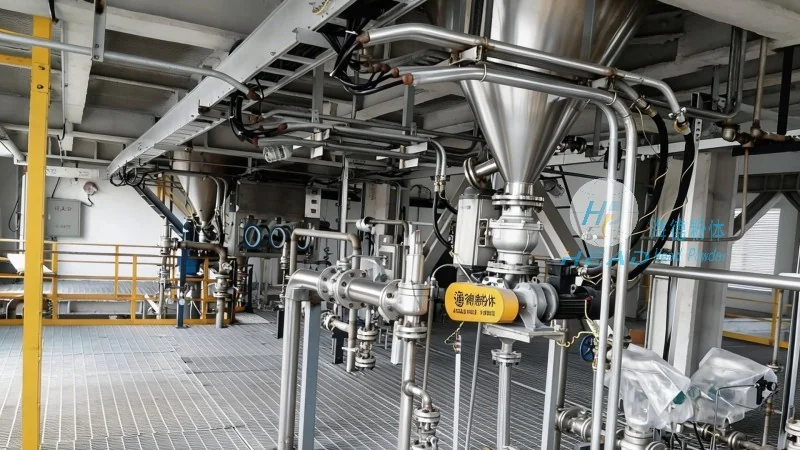
4. Comparison and Selection Criteria
When selecting a conveying method for coke and limestone powder, several factors need to be considered. The distance and layout of the transport path are critical. For short to medium distances and horizontal or slight incline transport, belt conveyors are often the most cost-effective option. For fine powders and applications requiring dust control, pneumatic conveying is preferred. Screw conveyors are suitable for confined spaces and moderate material volumes. Additionally, the material characteristics, such as particle size, bulk density, and abrasiveness, play a significant role in the selection. For example, abrasive materials may require special materials for the conveyor components, while sticky materials may need additional equipment like a feeder or classifier. The budget and maintenance requirements also influence the choice. Belt conveyors generally have lower initial costs and maintenance expenses compared to pneumatic systems, which can be more expensive upfront but offer advantages in terms of dust control and material handling.
Conclusion
Choosing the right conveying method for coke and limestone powder is essential for optimizing industrial operations. Each method has its strengths and limitations, and the selection should be based on specific application requirements. By understanding the technical aspects and performance characteristics of each system, industrial operators can make informed decisions that enhance efficiency, reduce costs, and ensure safe material handling. Shandong HeadPowder Engineering Co., Ltd., a leading provider in the field, offers comprehensive solutions tailored to meet the diverse needs of clients in the coke and limestone processing industry.




