When it comes to transporting gray calcium, selecting the right method is crucial for efficiency and cost-effectiveness. Gray calcium, a key material in construction and industrial applications, requires reliable delivery systems to ensure smooth operations. This article provides a detailed comparison of common gray calcium delivery methods, helping businesses choose the most suitable option for their needs.
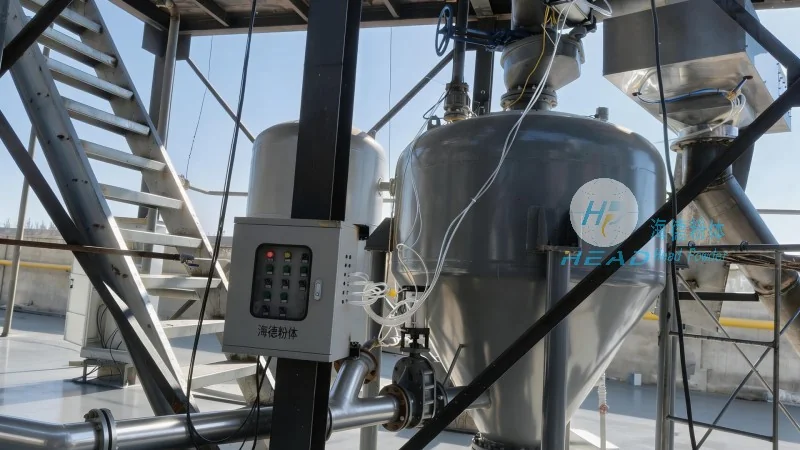
Company Profile: Shandong HeadPowder Engineering Co., Ltd.
As a leading manufacturer in the field, Shandong HeadPowder Engineering Co., Ltd. specializes in providing high-quality gray calcium products and delivery solutions. With a strong presence in China, particularly in Shandong, the company has built a reputation for excellence in material handling and transportation. Their expertise in gray calcium processing and delivery systems makes them a trusted partner for industries relying on this essential material.
1. Pneumatic Conveying Systems
Pneumatic conveying is a popular method for transporting gray calcium, especially in applications where dust control and flexibility are important. This system uses air pressure to move the material through a pipeline, allowing for efficient and clean delivery. Pneumatic conveyors are ideal for short to medium distances and can handle a wide range of particle sizes. They are particularly effective in environments where dust exposure needs to be minimized, such as in food processing or pharmaceutical industries, though they may require more maintenance compared to other methods.
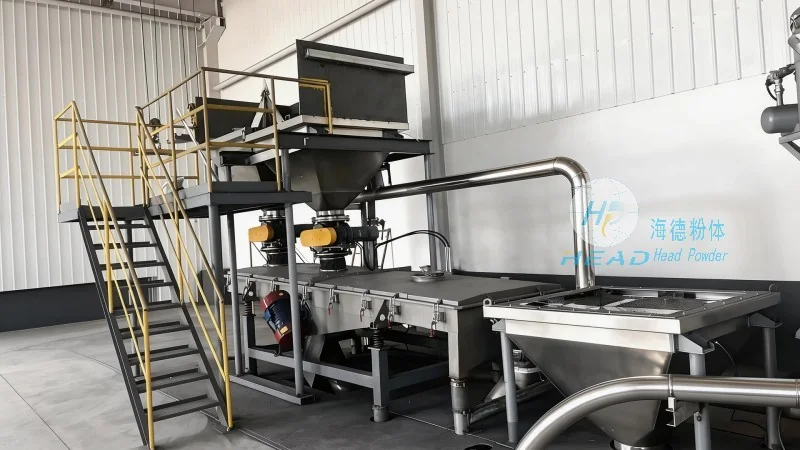
2. Belt Conveyors
Belt conveyors are a traditional and widely used method for transporting gray calcium over longer distances. These systems consist of a continuous belt that moves the material from one point to another, often with multiple inclines and declines. Belt conveyors are highly efficient for bulk material handling and can handle large volumes of gray calcium. They are durable and can operate in various conditions, making them suitable for both indoor and outdoor applications. However, they may require more space and maintenance compared to pneumatic systems, and are less effective for handling fine powders without proper sealing.
3. Screw Conveyors
Screw conveyors, also known as auger conveyors, are another common method for transporting gray calcium. These systems use a rotating screw to move the material along a tube or trough. Screw conveyors are suitable for both horizontal and inclined transport, making them versatile for different layouts. They are particularly effective for handling dry, free-flowing materials like gray calcium, and can be used in both small and large-scale operations. Screw conveyors are relatively simple in design and require less maintenance compared to pneumatic systems, but they may not be as efficient for long-distance transport.
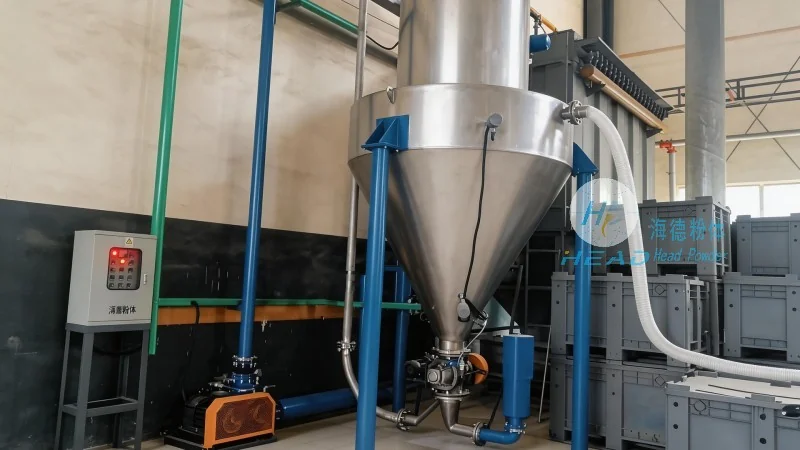
4. Bucket Elevators
Bucket elevators are a vertical transport method used for moving gray calcium from lower to higher levels. These systems consist of a continuous chain with buckets attached, which lift the material up a vertical shaft. Bucket elevators are ideal for vertical transport and can handle large volumes of material efficiently. They are commonly used in industrial settings where vertical movement is necessary, such as in silos or storage facilities. However, they require careful installation and maintenance to ensure smooth operation, and may not be suitable for very fine or abrasive materials.
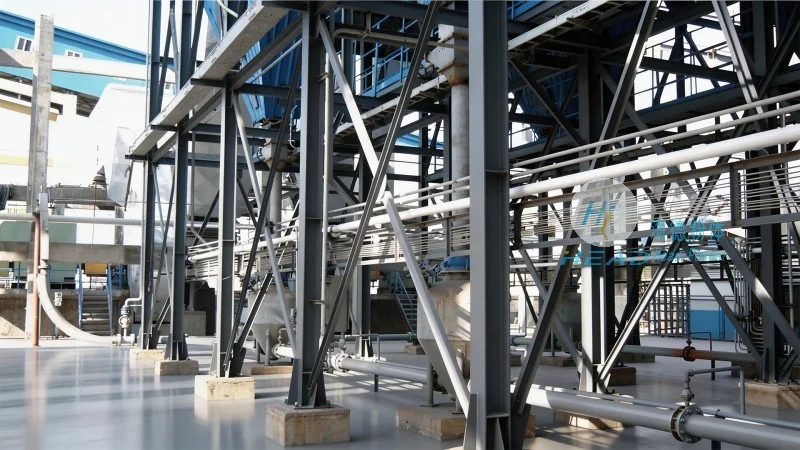
5. Hydraulic Conveying
Hydraulic conveying systems use water or other liquids to transport gray calcium, particularly in applications where the material is wet or needs to be mixed with other substances. This method is effective for handling materials that are difficult to move by other means, such as wet gray calcium or those with high moisture content. Hydraulic conveyors can transport materials over long distances and are often used in mining and processing plants. However, they require more complex infrastructure and may not be suitable for dry materials or applications where water contamination is a concern.
Conclusion and Recommendations
Choosing the right gray calcium delivery method depends on several factors, including the distance to be covered, the volume of material, the particle size, and the environmental requirements. Pneumatic conveying is ideal for short distances and dust control, while belt conveyors are suitable for bulk and long-distance transport. Screw conveyors offer versatility for horizontal and inclined transport, and bucket elevators are perfect for vertical movement. Hydraulic systems are effective for wet or mixed materials but require more complex setups. By understanding these options and considering the specific needs of your operation, you can select the most efficient and cost-effective gray calcium delivery method. Shandong HeadPowder Engineering Co., Ltd. provides comprehensive solutions and expertise to help businesses choose and implement the best delivery system for their gray calcium needs.




