Desulfurization and denitrification are critical processes in modern industrial operations, particularly in power generation and chemical manufacturing. The efficient handling of desulfurization and denitrification agents is essential for maintaining the performance of these systems. A pneumatic conveying line is a specialized system designed to transport these agents from one location to another, often with high precision and minimal loss. This article explores the concept of a desulfurization and denitrification agent pneumatic conveying line and delves into its fundamental design principles, with a focus on the solutions provided by Shandong HeadPowder Engineering Co., Ltd., a leading manufacturer in the field.
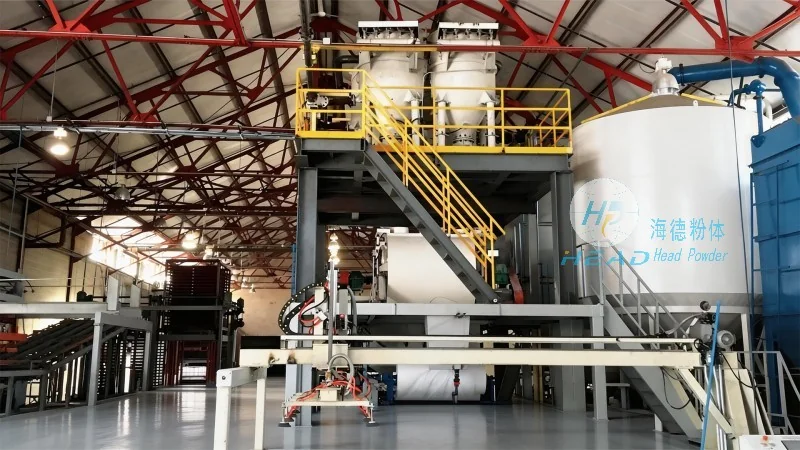
Understanding the Desulfurization and Denitrification Agent Pneumatic Conveying Line
A desulfurization and denitrification agent pneumatic conveying line is a system that uses compressed air or other gases to transport powders or granules, such as limestone, activated carbon, or other reagents used in flue gas treatment. These agents are typically used in the removal of sulfur dioxide (SO₂) and nitrogen oxides (NOₓ) from industrial exhaust gases. The line consists of several key components, including a hopper, a feeder, a conveying pipe, a control system, and a discharge unit. The primary function is to move these agents from storage or preparation areas to the points of application within the desulfurization and denitrification system with minimal dust generation and optimal flow control.
Key Components and Their Roles
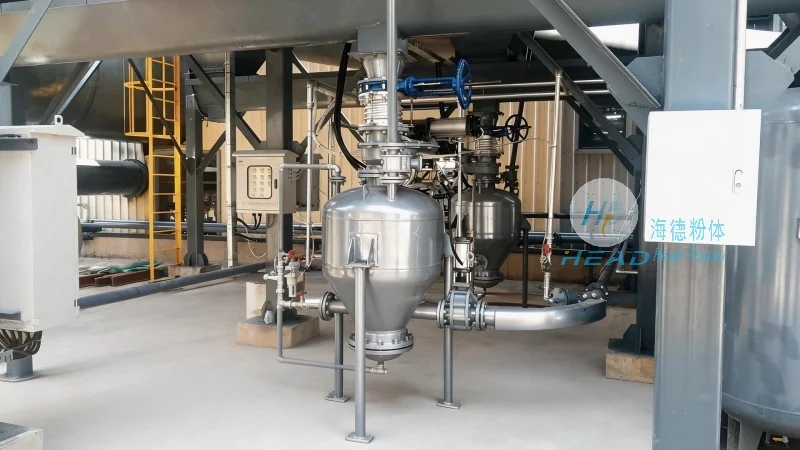
The effectiveness of a pneumatic conveying line for desulfurization and denitrification agents depends on the proper integration of its components. The hopper serves as the storage vessel, ensuring a steady supply of the agent. The feeder, often a rotary valve or a screw feeder, regulates the flow rate of the material into the conveying line. The conveying pipe, made of materials resistant to corrosion and abrasion, transports the material under pressure. The control system monitors and adjusts the air pressure, flow rate, and other parameters to maintain consistent performance. The discharge unit delivers the agent to the target location, such as the spray dryer or the absorber in a flue gas treatment system.
Design Principles for Optimal Performance
The design of a desulfurization and denitrification agent pneumatic conveying line must consider several key principles to ensure efficiency, reliability, and safety. First, the system must be designed to handle the specific physical properties of the desulfurization and denitrification agents, including their particle size, density, and moisture content. This involves selecting appropriate materials for the hopper, feeder, and conveying pipe to prevent corrosion or clogging. Second, the air velocity and pressure must be optimized to achieve the desired conveying rate while minimizing energy consumption. High air velocities can lead to excessive pressure drops and increased energy costs, while low velocities may result in material deposition or blockages. Third, the system must incorporate features to prevent dust emissions and ensure environmental compliance. This includes dust collection systems and sealed components to maintain a clean and safe operation environment.
Application in Industrial Settings
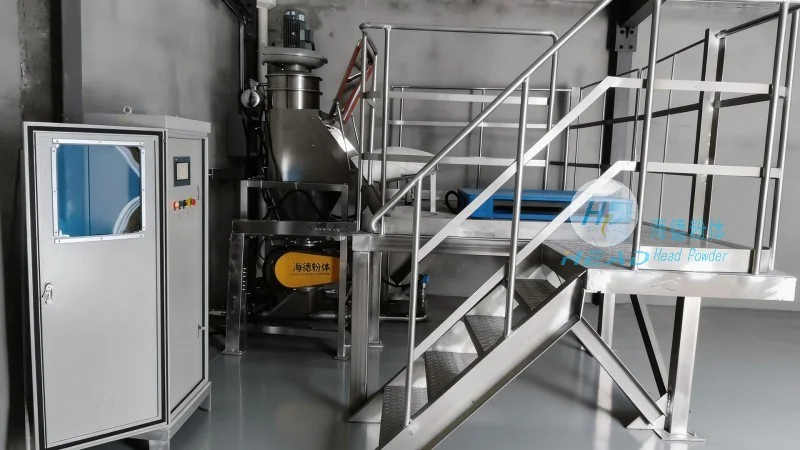
Desulfurization and denitrification agent pneumatic conveying lines are widely used in power plants, chemical factories, and other industrial facilities that rely on flue gas treatment. In power plants, these systems are crucial for the removal of SO₂ and NOₓ from combustion gases, helping to meet environmental regulations and reduce air pollution. The lines are designed to handle large volumes of agents, often operating continuously to support the continuous operation of the desulfurization and denitrification units. The efficiency of the conveying line directly impacts the overall performance of the flue gas treatment system, as any inefficiency can lead to reduced treatment capacity or increased operational costs.
Conclusion
A desulfurization and denitrification agent pneumatic conveying line is a sophisticated system that plays a vital role in modern industrial processes. By understanding its design principles and components, industries can ensure the efficient and reliable transport of desulfurization and denitrification agents, contributing to the effective operation of flue gas treatment systems and compliance with environmental standards. The proper design and maintenance of these systems are essential for optimizing performance and minimizing operational costs.




