For industrial applications requiring efficient and reliable material handling, low-pressure continuous pneumatic conveying systems have emerged as a vital solution. These systems are designed to transport bulk materials like powders and granules over medium distances with minimal pressure differentials. Understanding the fundamentals of such systems, including their operational mechanisms and design principles, is crucial for selecting the right equipment for specific industrial needs.
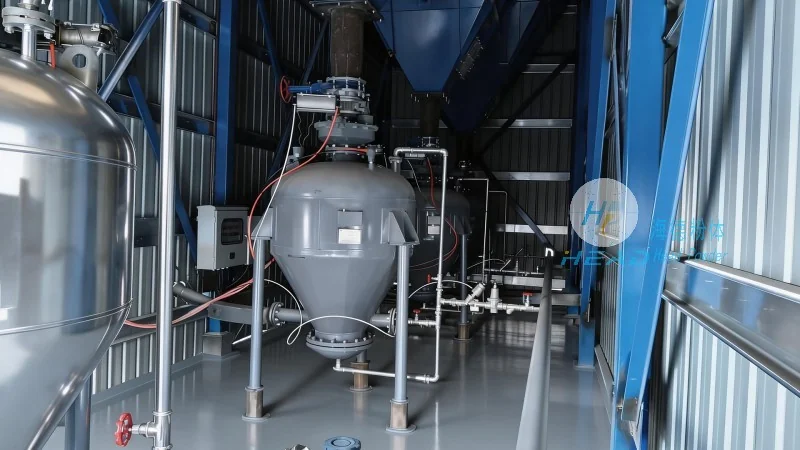
Introduction to Low-Pressure Continuous Pneumatic Conveying Systems
A low-pressure continuous pneumatic conveying system is a type of material handling equipment that uses air or gas to transport dry bulk materials. Unlike high-pressure systems, which operate at higher pressure differentials, low-pressure systems typically maintain pressure levels between atmospheric and around 0.5 bar (7.25 psi). This lower pressure requirement makes them energy-efficient and suitable for a wide range of applications, from food processing to chemical manufacturing.
Key Components of a Low-Pressure Continuous Pneumatic Conveying System
The core components of a low-pressure continuous system include the material feed hopper, the conveying line (often equipped with bends and straight sections), the air or gas source (usually a blower or fan), and the discharge hopper. Each component plays a critical role in the overall operation of the system. The feed hopper ensures a consistent flow of material into the conveying line, while the air source provides the necessary force to move the material through the system. The conveying line may include various accessories like cyclones, filters, and check valves to manage the material and air flow effectively.
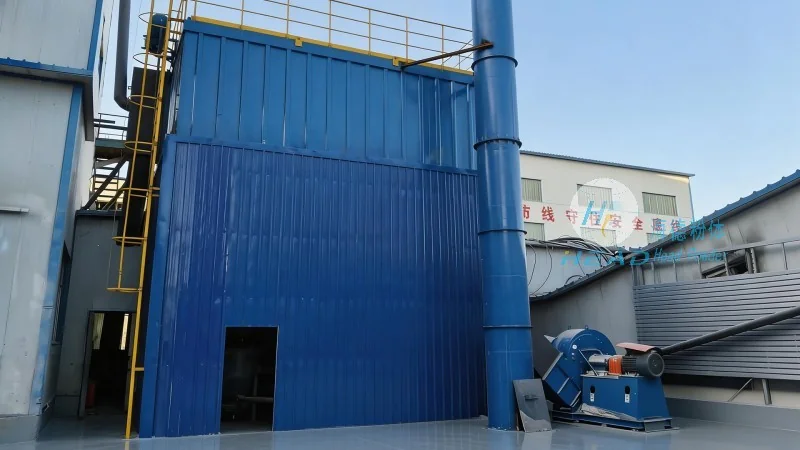
Design Principles for Low-Pressure Continuous Pneumatic Conveying
The design of a low-pressure continuous system is based on several key principles to ensure optimal performance and efficiency. One of the primary principles is maintaining a consistent material flow rate. This is achieved by using a feed hopper with a controlled discharge mechanism, such as a rotary valve or a screw feeder, which regulates the amount of material entering the conveying line. Another critical principle is the proper selection of the air source. The blower or fan must be capable of providing sufficient airflow to overcome the resistance in the conveying line while maintaining the desired pressure level. The system's design also considers the material's properties, such as its density, particle size, and flowability, to ensure that the conveying velocity is adequate to prevent material deposition or blockages.
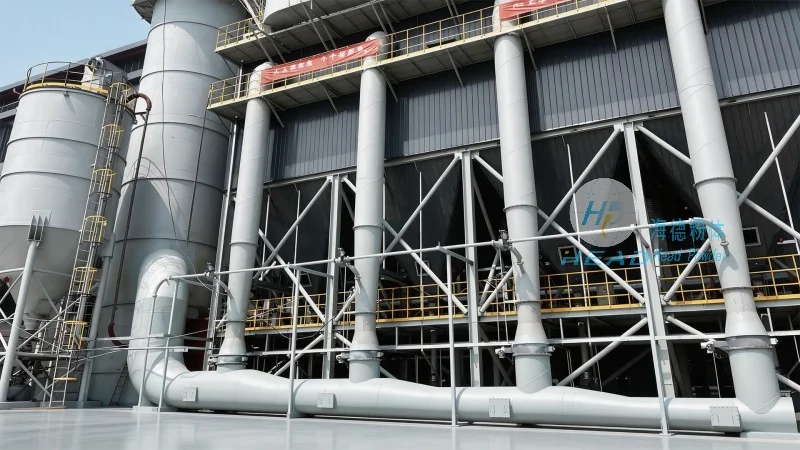
Operational Mechanism of Low-Pressure Continuous Pneumatic Conveying
When the system is in operation, the material is fed from the hopper into the conveying line. The air source then introduces air into the line, creating a flow that carries the material particles along. The material is suspended in the air stream and transported to the discharge point. The system operates continuously, meaning that material is fed and discharged at a steady rate, making it ideal for applications requiring a consistent flow of materials. The low-pressure nature of the system reduces energy consumption compared to high-pressure systems, as less power is required to maintain the pressure differential.
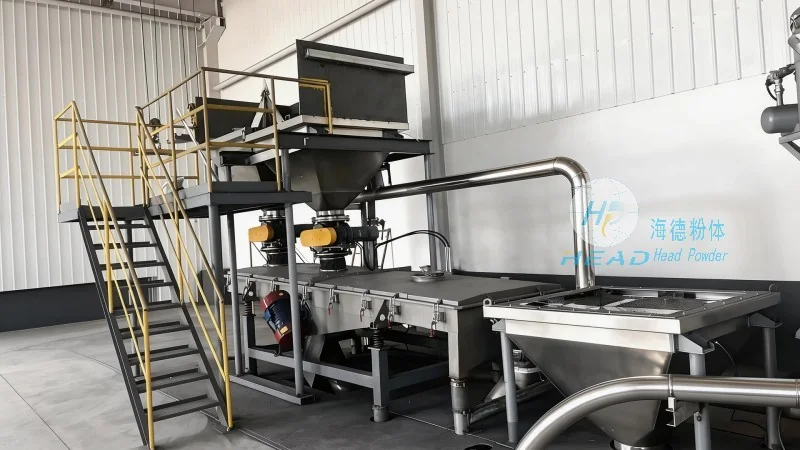
Applications and Benefits of Low-Pressure Continuous Pneumatic Conveying
Low-pressure continuous pneumatic conveying systems are widely used in various industries due to their versatility and efficiency. In the food industry, they are used to transport ingredients like flour, sugar, and spices without compromising product quality. In the chemical industry, they handle powders and granules that require careful handling to prevent contamination or degradation. The benefits of these systems include reduced labor costs, improved safety (as there are no moving parts in the conveying line), and the ability to handle materials that are difficult to transport using traditional methods. Additionally, the low-pressure operation minimizes the risk of material degradation and reduces the need for extensive maintenance.
Company Information: Shandong HeadPowder Engineering Co., Ltd.
Shandong HeadPowder Engineering Co., Ltd., a leading manufacturer of material handling equipment, specializes in the design and production of low-pressure continuous pneumatic conveying systems. With a strong commitment to quality and innovation, the company has established itself as a trusted partner for industries seeking reliable and efficient material handling solutions. HeadPowder's systems are engineered to meet the specific requirements of each application, ensuring optimal performance and longevity. The company's headquarters is located in Shandong, China, where it operates a state-of-the-art manufacturing facility equipped with advanced technology and skilled personnel. By combining expertise in material science and engineering, HeadPowder provides customized solutions that enhance productivity and reduce operational costs for its clients.




